We look into why component lead times change, what it takes to replace a discontinued part and how new rules affect products already in development.
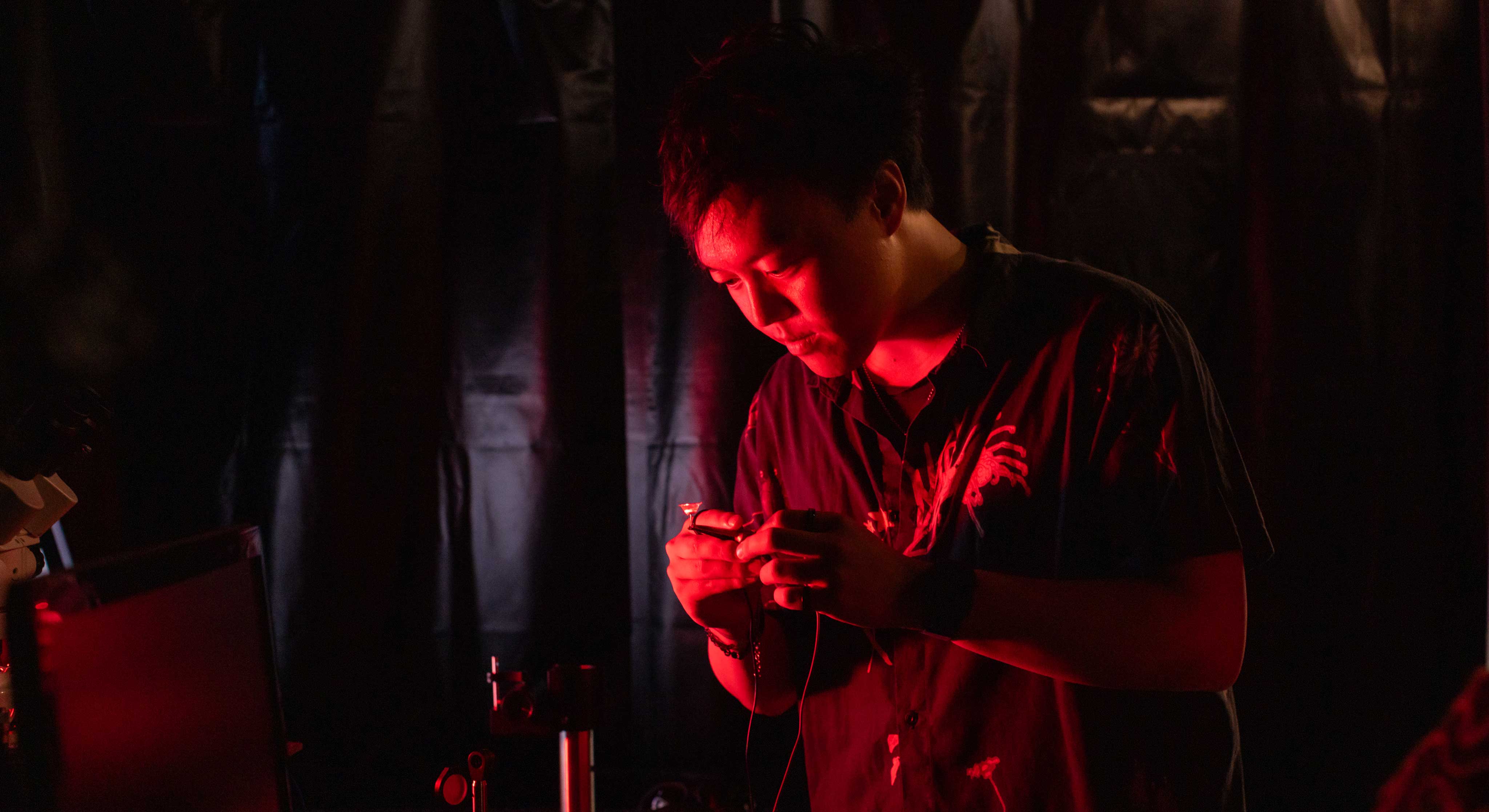
The optical engineering startup’s model held focus to within about 5 µm of its room-temperature setting from −40 to +85 °C. Its own tolerance run leaves a question about the corners of the image.
Initial Helios systems are installed at Meta, bringing compute, networking, power and cooling into a customer test programme ahead of wider deployment.
TI’s corrected withdrawal notice gives final-order and shipment dates, while an OPA404 comparison exposes package and waveform trade-offs.
A two-stage etch preserves conductive MOF gate electrodes across three transistor platforms, with lower power operation still to be investigated.
SIA’s factory-level mapping reveals dependencies that supplier headquarters and separate commercial relationships can conceal.
Recreating legacy logic involves input circuitry, signal timing and startup behaviour as well as the Boolean functions.
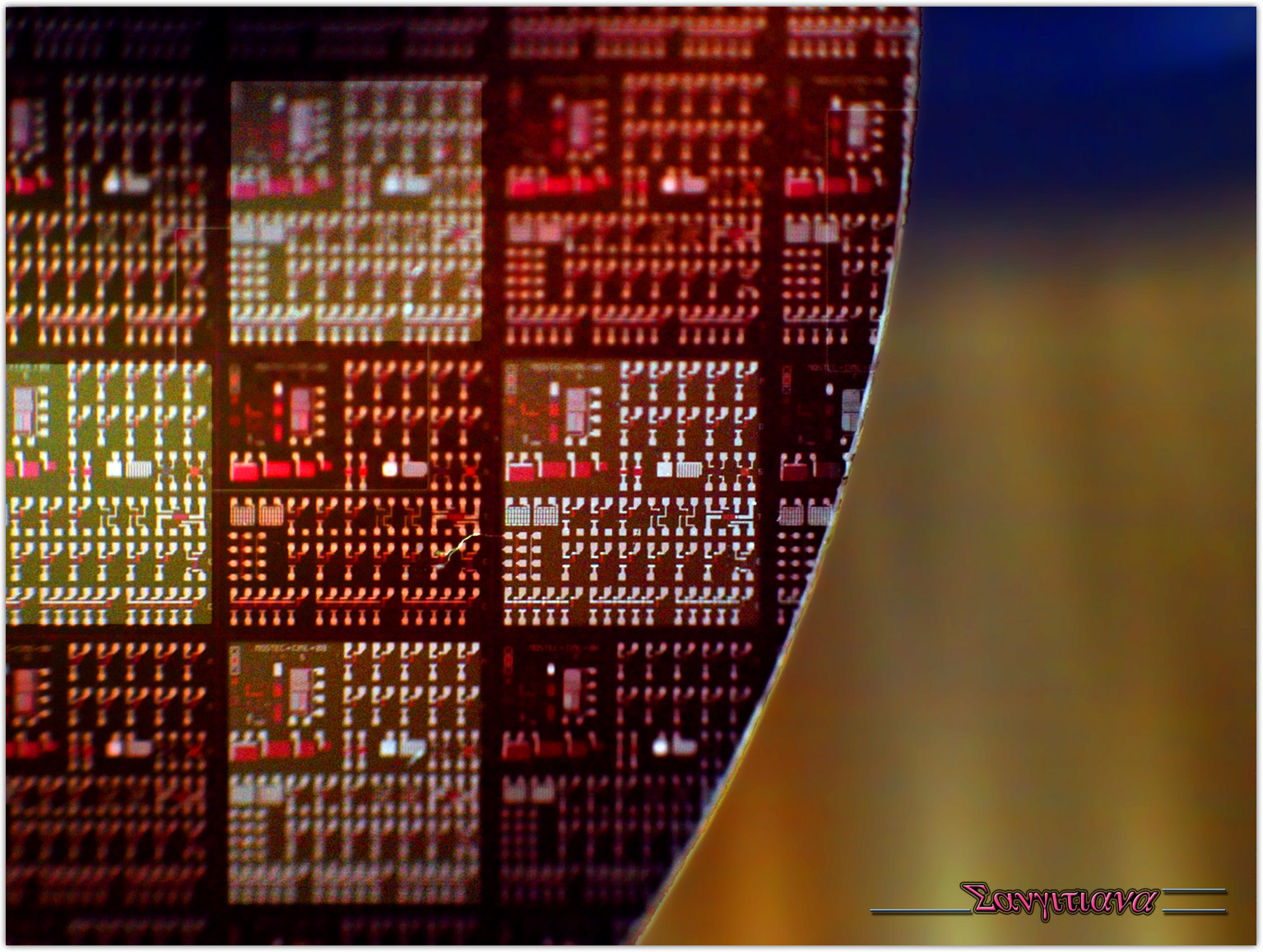
A comparison of polishing methods finds that sample preparation can introduce defects and alter scanning spreading resistance measurements.
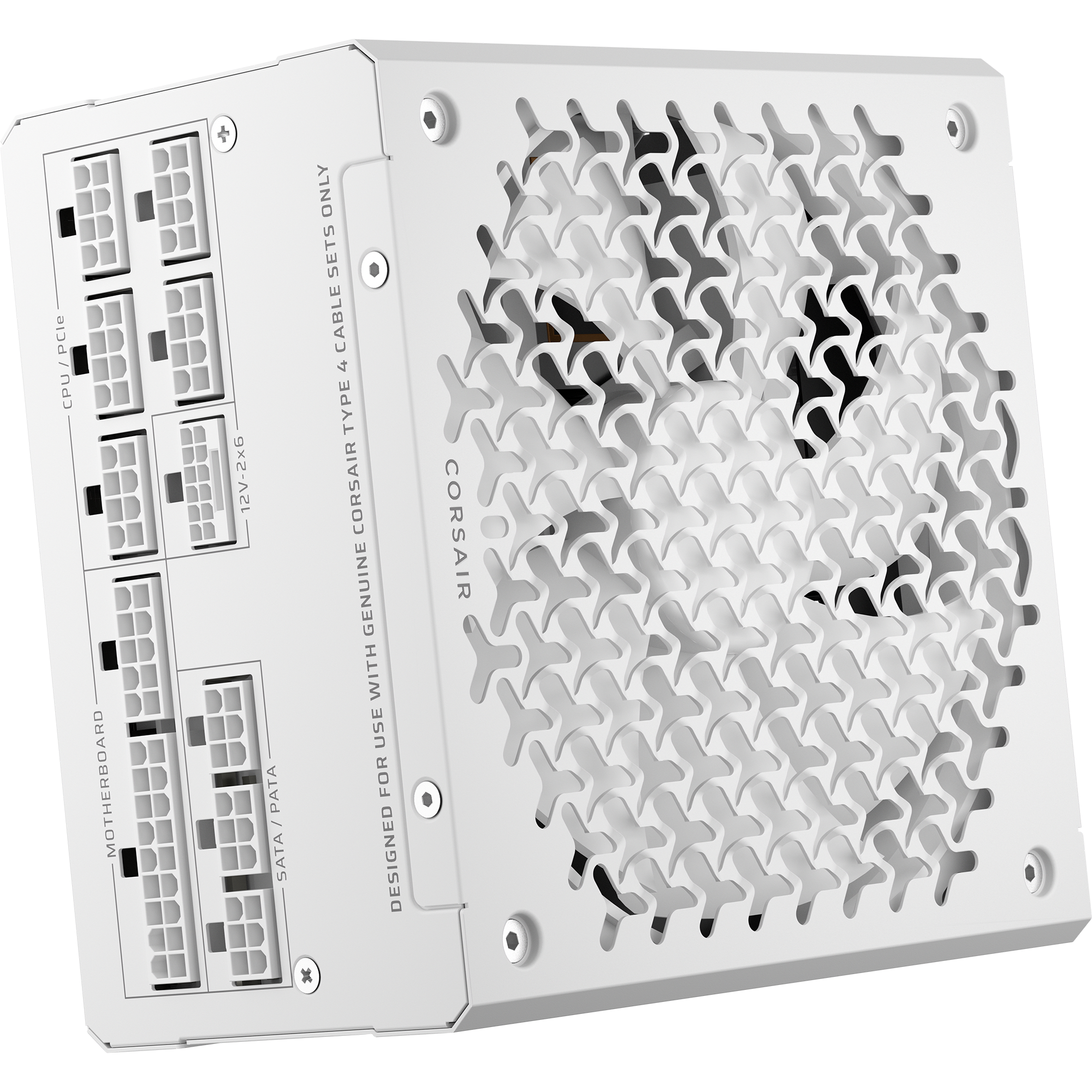
The RM1200e adds individual current monitoring to its 12V-2×6 connection, addressing faults that an aggregate measurement can miss.
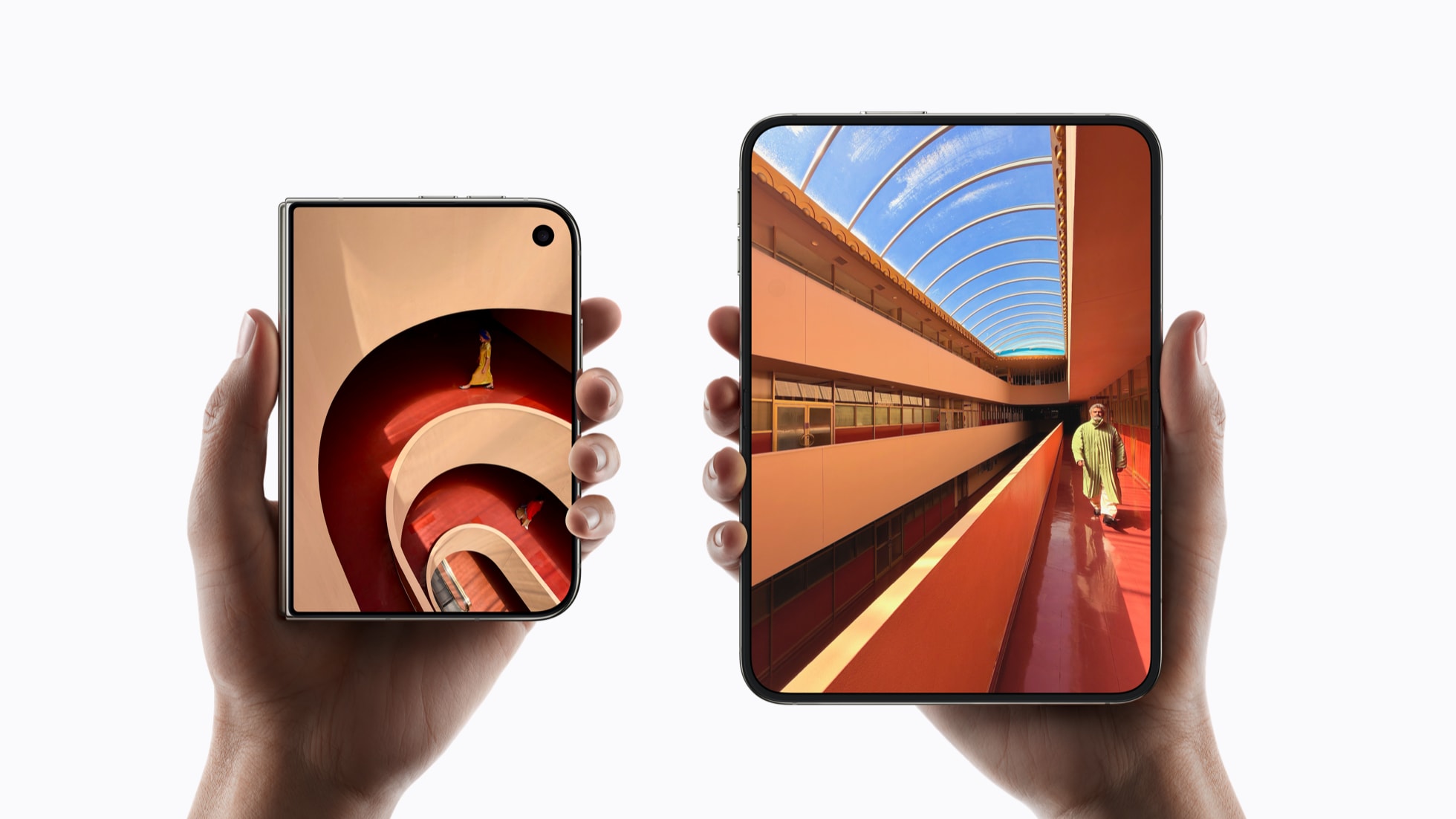
Two batteries, a package connected directly to a vapour chamber and simultaneous display operation shape the folding phone’s electrical and thermal design.
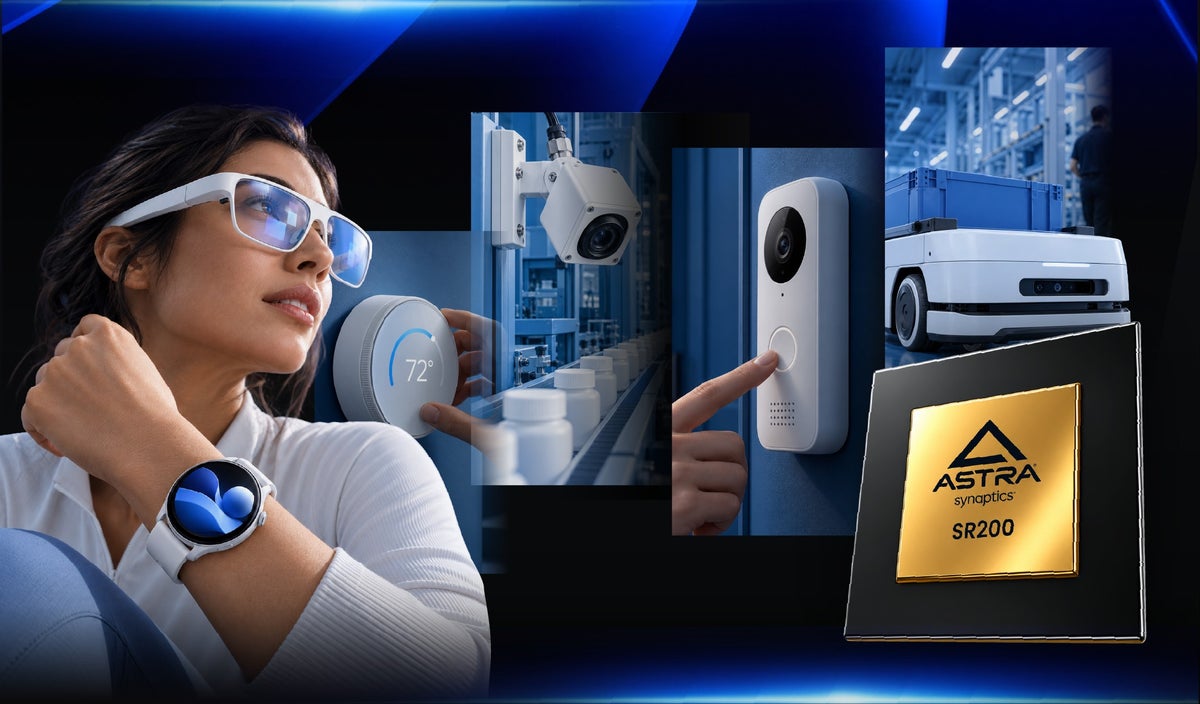
A package containing multiple dies brings custom DRAM alongside the processing engines, with four power domains to divide monitoring from more demanding workloads.
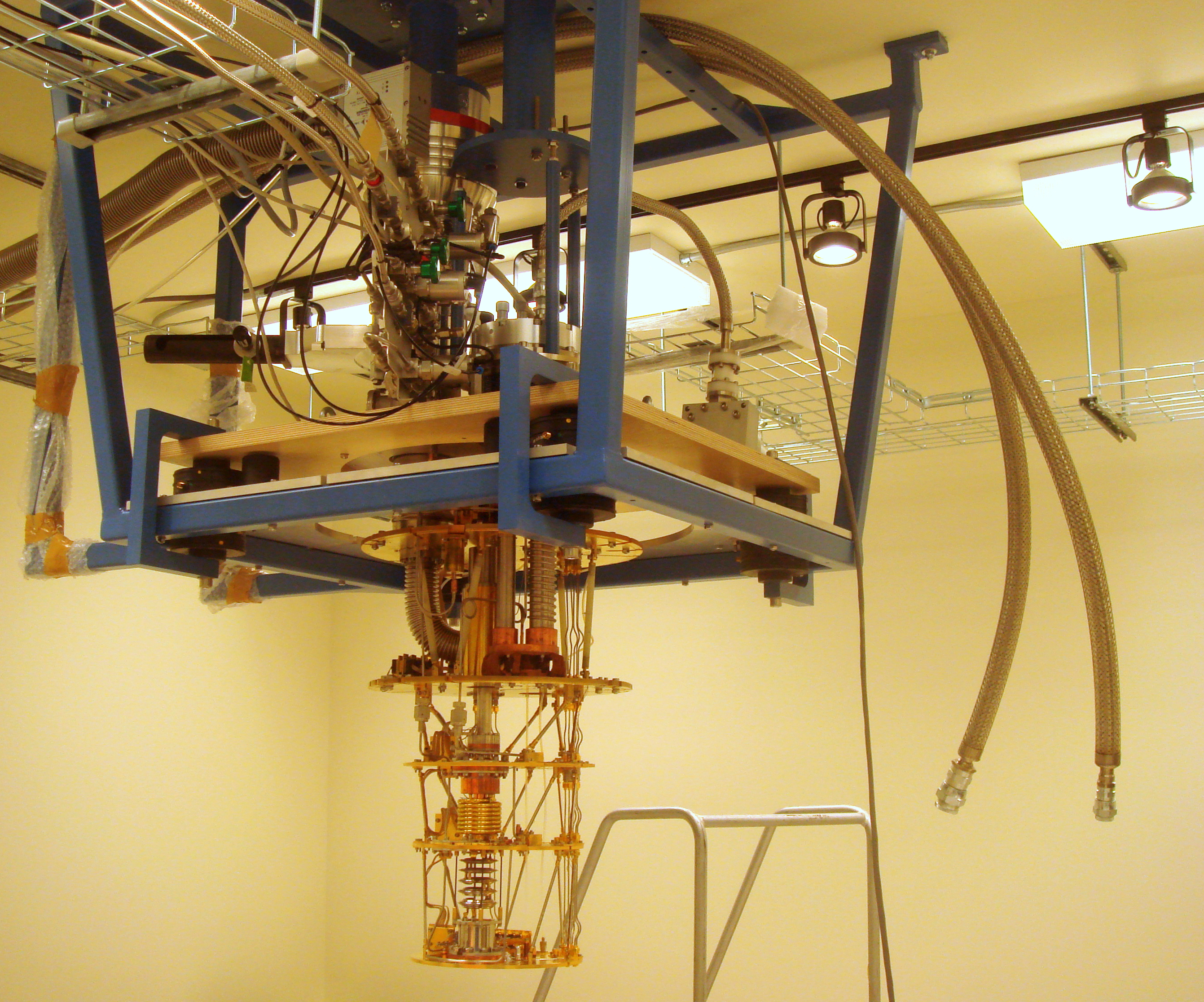
An auxiliary dot adds electrical tuning freedom to a GaAs spin qubit, helping balance rapid control with reduced sensitivity to voltage noise.
An agent coordinates electrical and thermal analysis across hundreds of design points. Broader exploration is useful, but the cooling assumptions still shape the answer.
Fraunhofer ISE has reported more than 1,000 full cycles from silicon-rich 25 Ah pouch cells, followed by a residual-capacity measurement above 83%.
Picomag measures flow electromagnetically, so its liquid has to be electrically conductive.
GOV.UK has added a new notice of publication, dated 22 October 2026, to its consolidated list of designated standards for equipment used in explosive atmospheres.
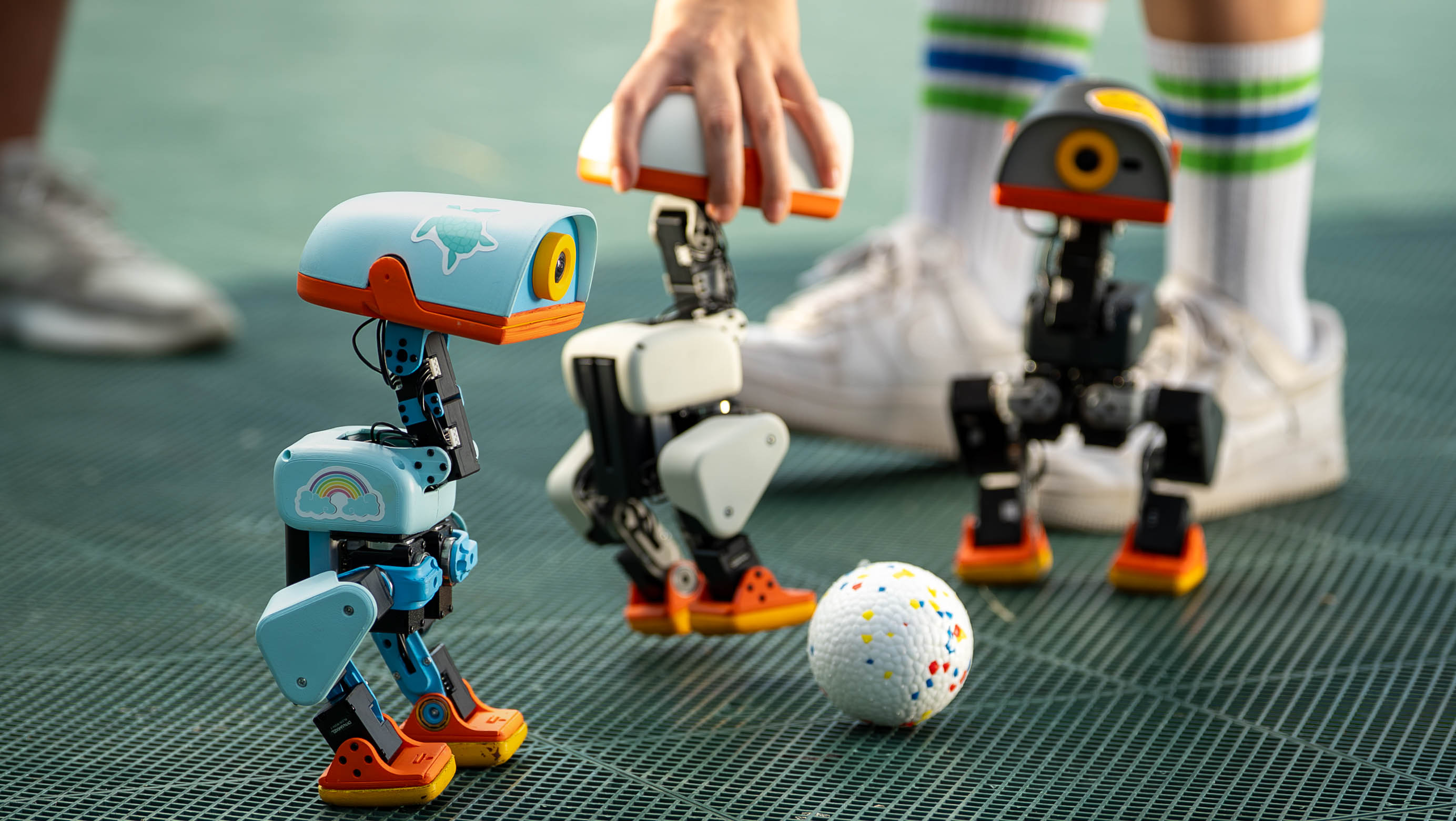
Open source software lets Microduck owners share learned behaviours, giving NVIDIA’s small robotic stage guests the potential to become much more useful after the keynote.
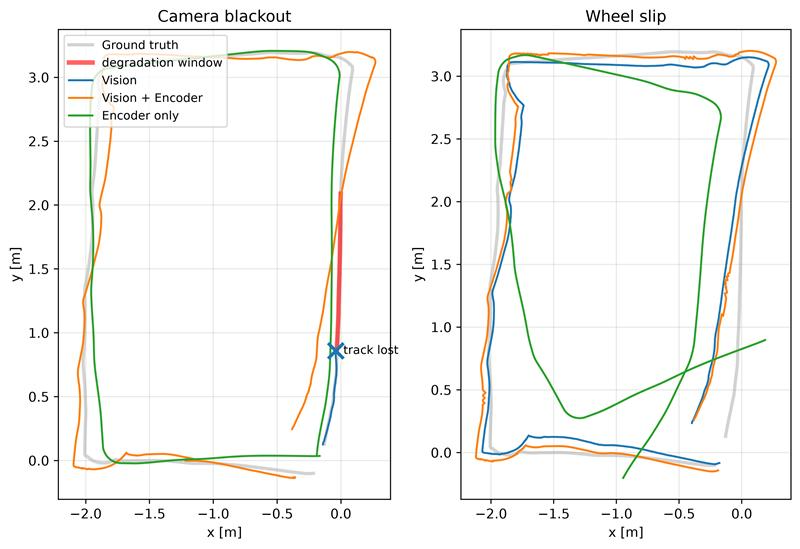
The worst position error in ADI’s reported robot trials fell from 1.923 m to 0.275 m after wheel measurements were integrated into NVIDIA’s cuVSLAM estimator.
Infineon’s expanded work with NVIDIA concentrates on the high-voltage intermediate bus converter inside proposed 800 VDC AI power systems.
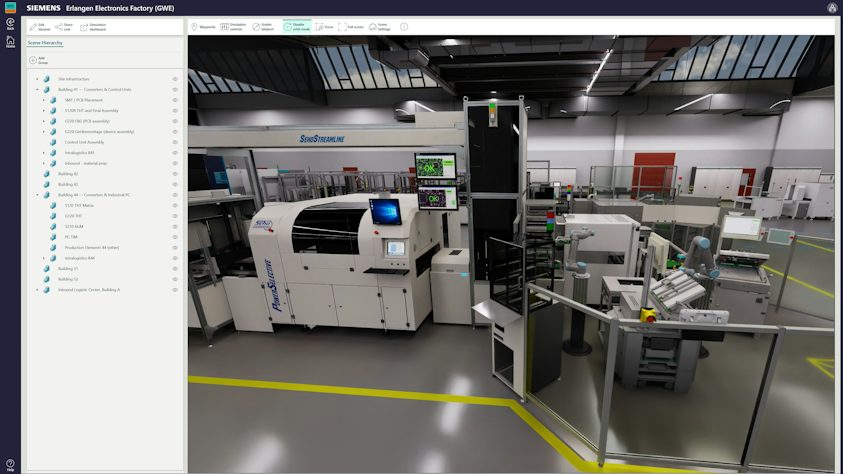
Its NVIDIA collaboration starts inspection preparation with a digital assembly and generated defect images. The component data behind that assembly becomes part of the inspection setup.
UCSB’s experimental emitters reach 20.8% peak external quantum efficiency at 619 nm. Improved semiconductor growth and light extraction both contribute.
The largest buyers are reserving manufacturing capacity years before they need it. That helps suppliers invest, but it leaves an awkward question hanging over the industry’s expansion: how much of the extra capacity will still be available when everyone else comes to order?
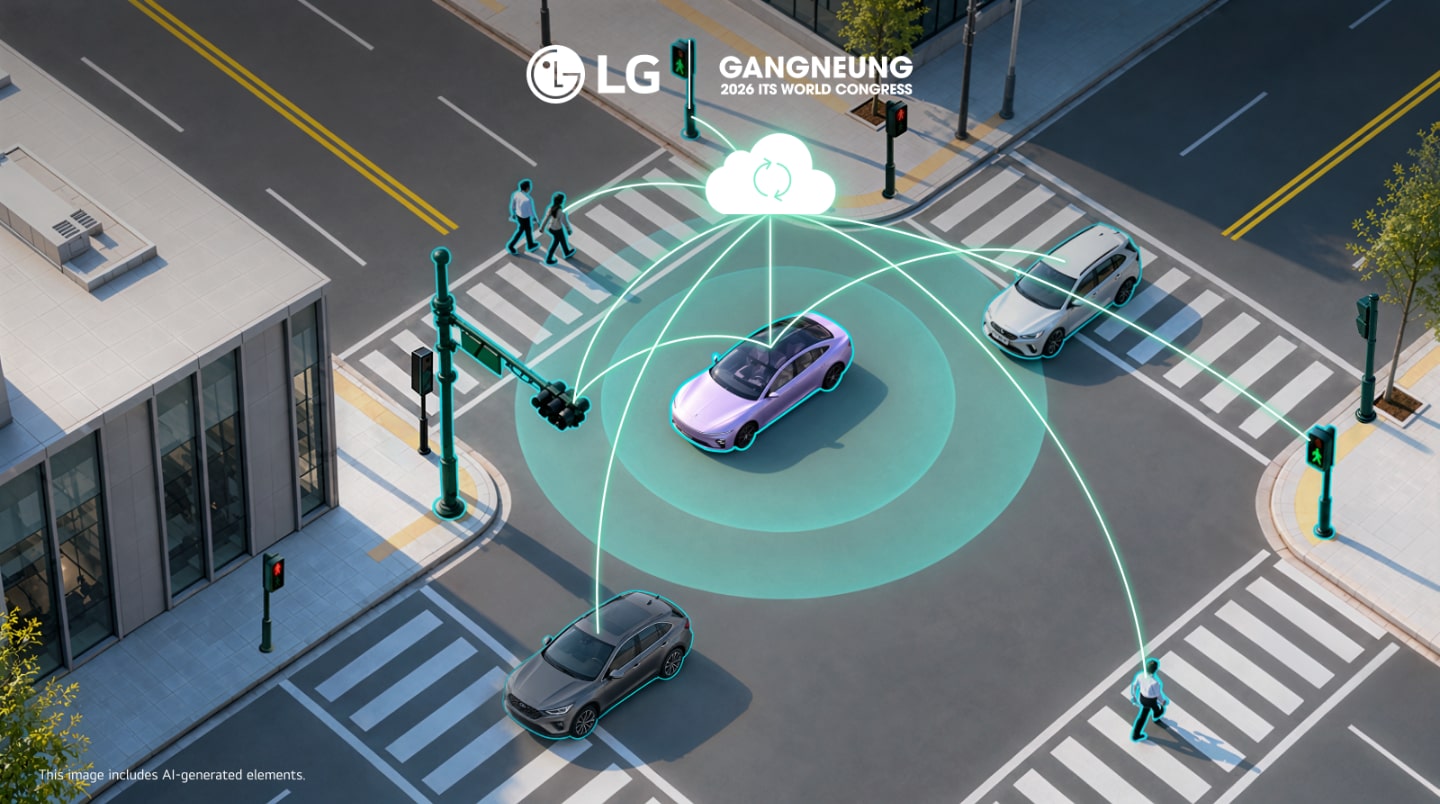
The system shares information about hazards beyond the vehicle’s view. Separate 5GAA measurements show why the timing and position attached to a warning deserve as much attention as the radio link.
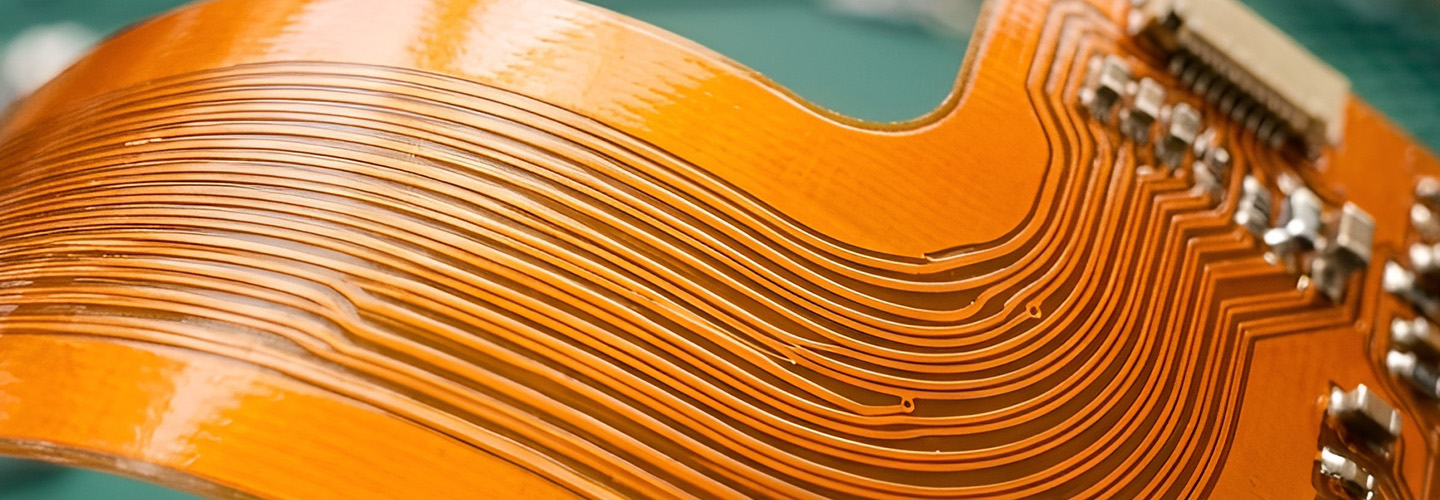
The latest Kapton and Pyralux work focuses attention on the complete flex construction, including where the copper sits when the circuit bends.
The solderless connection is intended for small devices such as hearing aids and earphones, where access to the cell competes with every other part of the enclosure.
The reservation of more than 1GW of Heron manufacturing capacity brings conversion, battery buffering and rack distribution into one proposed power architecture.