We look into why component lead times change, what it takes to replace a discontinued part and how new rules affect products already in development.
The optical engineering startup’s model held focus to within about 5 µm of its room-temperature setting from −40 to +85 °C. Its own tolerance run leaves a question about the corners of the image.
The company has raised €10m for an architecture that combines lasers operating at moderate power on a silicon interposer, with the assembly process central to its manufacturing plans.
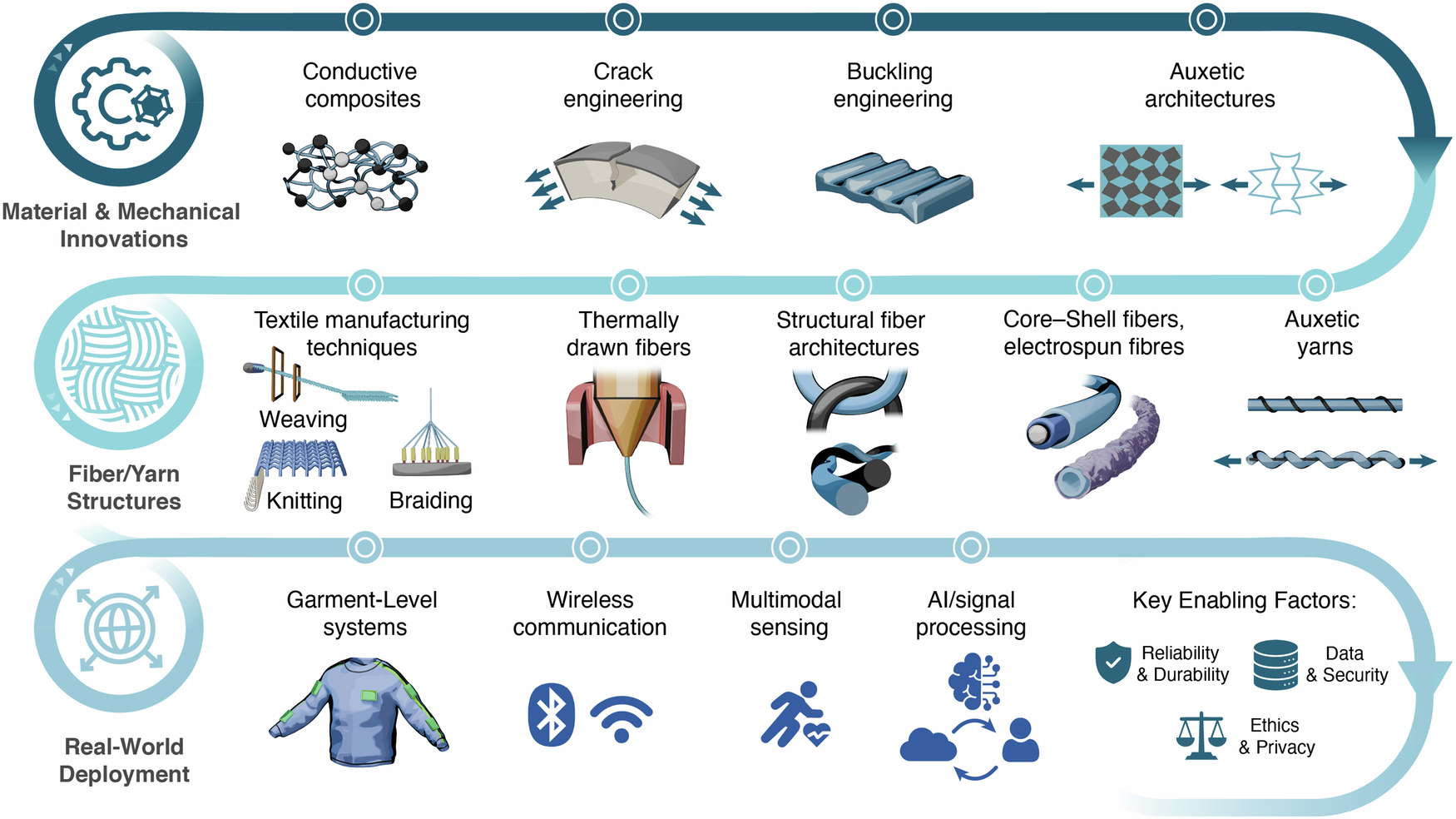
A stretchable conductor can be designed to change resistance dramatically or to keep carrying a signal. Textile electronics needs both behaviours, often very close together.
Verizon has secured Corning supply through 2032 as TrendForce warns of prolonged pressure on optical fibre production. Neither announcement establishes a delivery date for an individual UK order.
An open compiler, a completed RISC-V accelerator architecture and new Synaptics hardware put more of the deployment path in view.
The Edge 1060 adds a microphone and speaker to a device that must work outdoors, on a moving bicycle and within a limited battery budget.
Two memory safety vulnerabilities have prompted emergency updates and precautionary shutdowns. The exposure extends beyond public websites to applications and appliances that incorporate PHP.
Luchrome’s flexible display technology is aimed at information that belongs on a label, an enclosure or a product surface.
Fraunhofer’s MEMS amplifier work tackles a stubborn radio trade-off: listening for a message uses energy even when the main sensor has nothing to do.
Storm Austen puts power interruptions back in view. A supercapacitor supply shows how a small device can keep running long enough to finish its work.
The QRNG uses photon generation and detection inside the chip to supply entropy for cryptographic systems.
BTRY’s thin-film cells put the focus on short bursts of power, the time between them and the space a battery occupies.
The Department for Business and Trade has added twelve countries to the open general export licence covering dual-use items.
The existing M4 iPad Pro provides a verified example of tandem OLED, a dedicated display engine and touch input as expectations turn towards Apple’s next event.
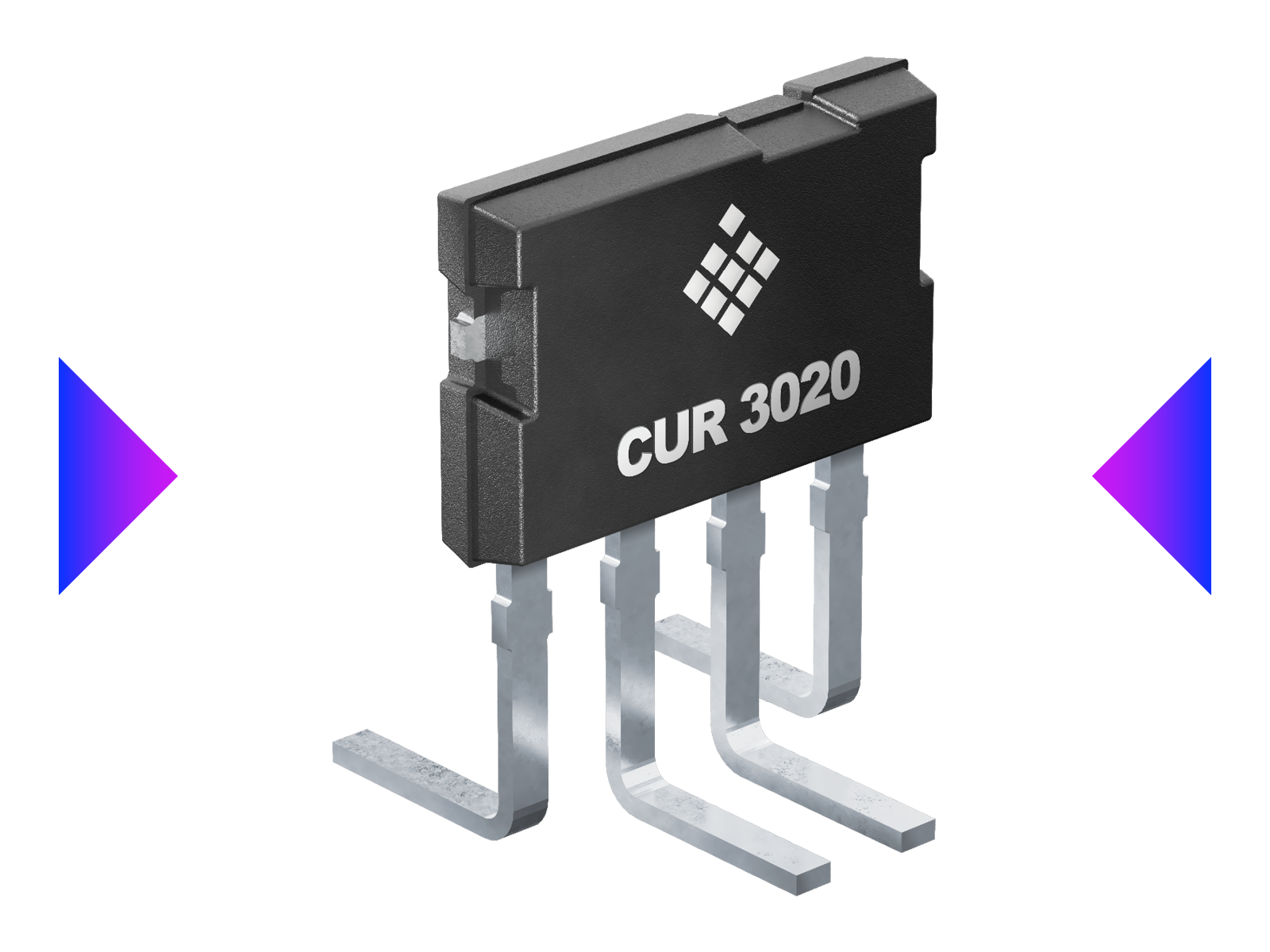
The CUR3020 leaves the magnetic concentrator outside the IC, with programmable sensitivity, output offset and bandwidth to match the assembly.
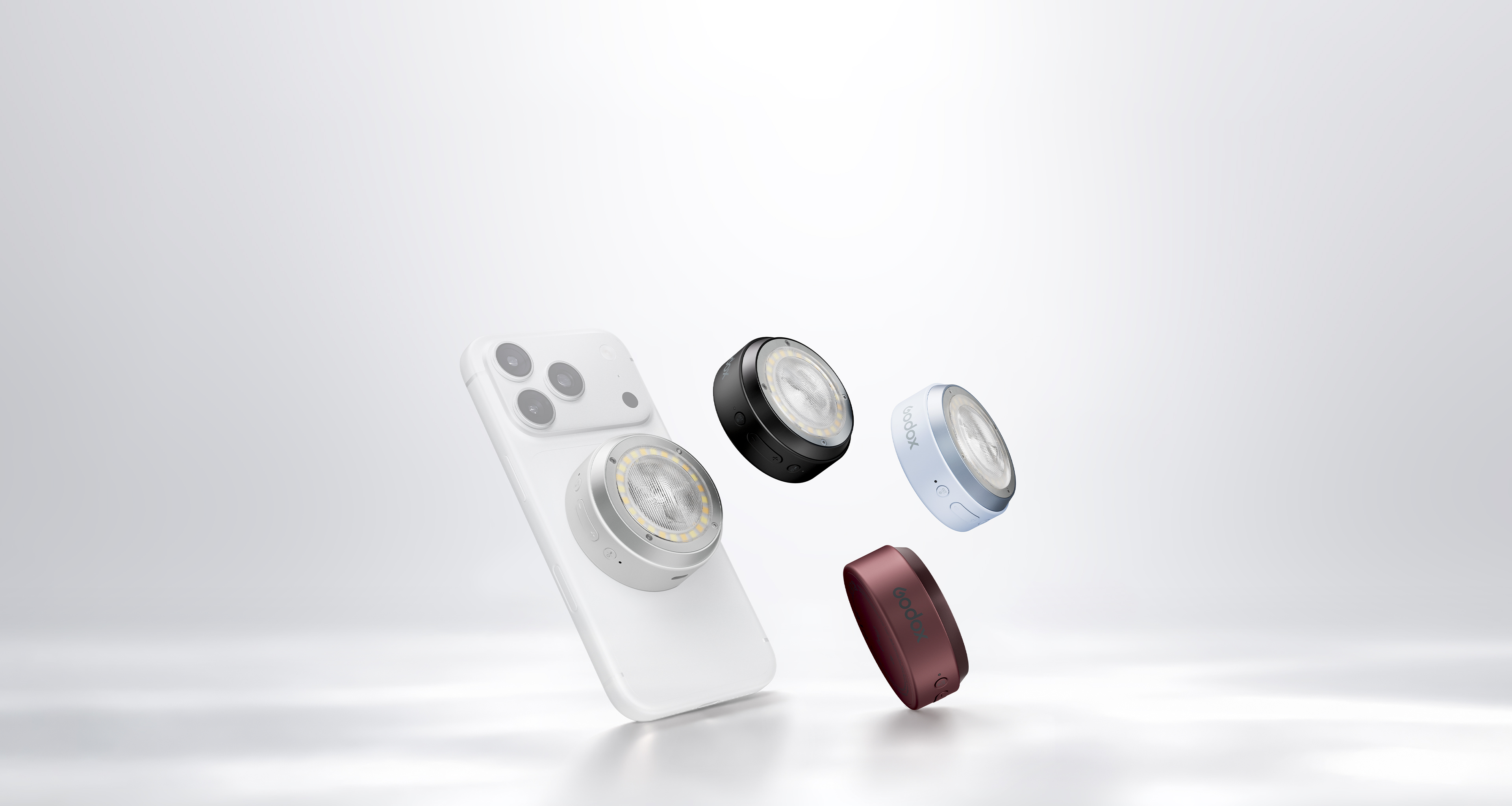
Godox’s A2 puts a charging converter, stored energy and camera synchronisation into a magnetic phone accessory. Each works on a different timescale.
The dumbtv project changes the launcher and background package state on supported televisions, leaving the signed operating system and hardware in place.
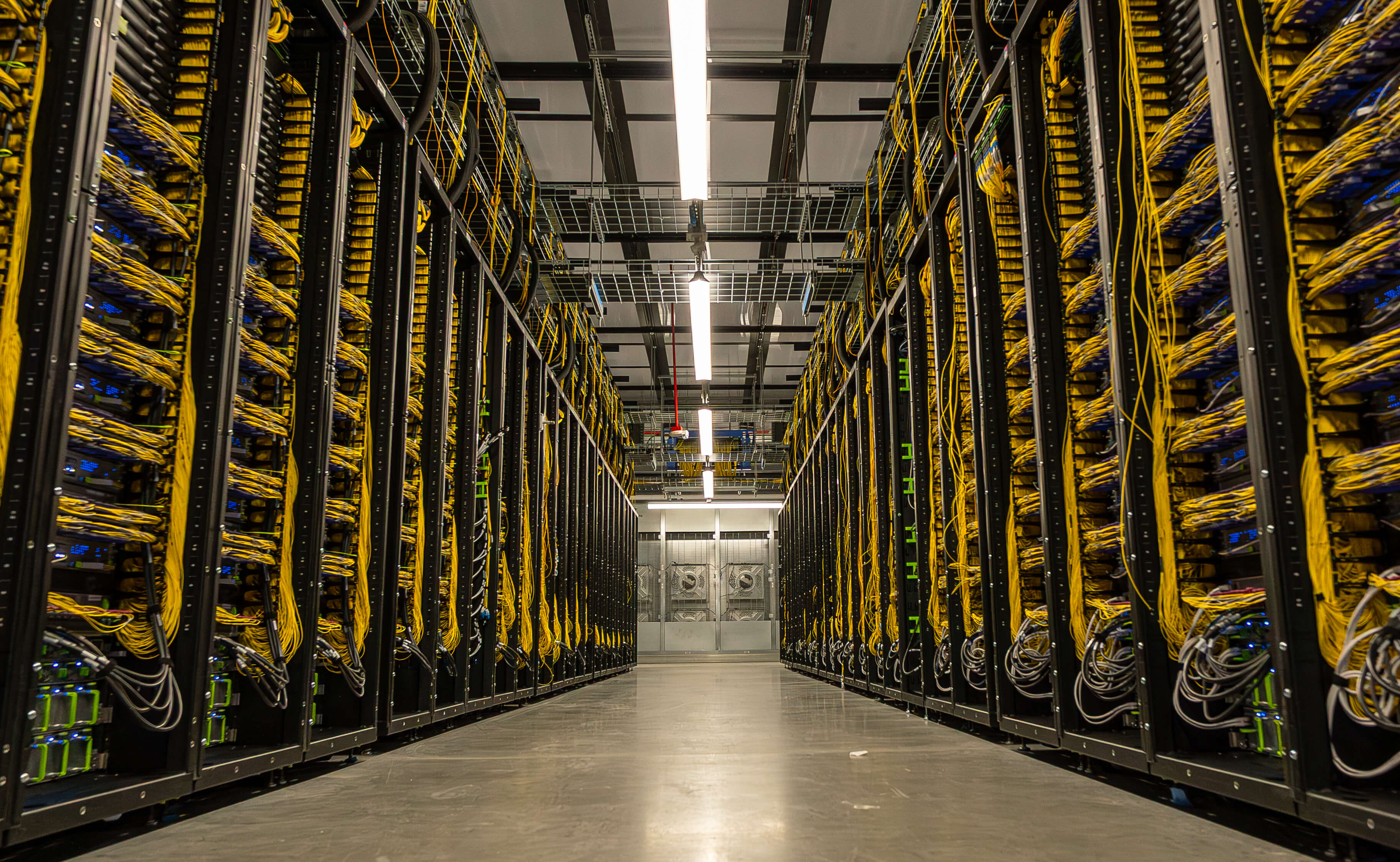
Meta provisions thousands of spare GPUs around a large training job. Fault recovery and uneven power distribution explain why installed capacity and productive capacity diverge.
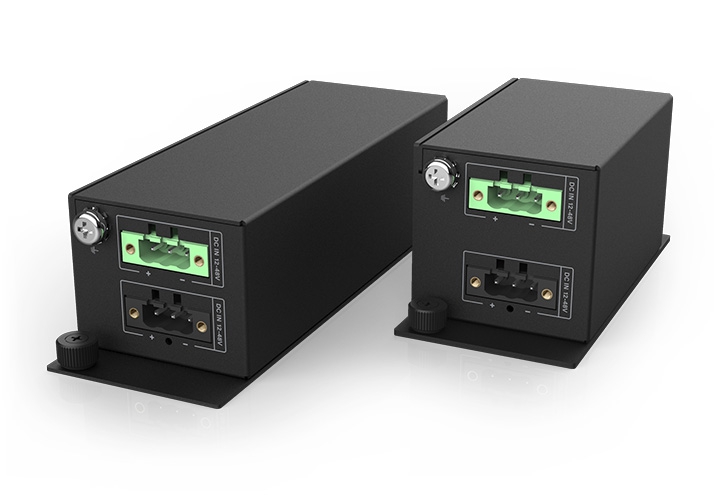
Cincoze’s external protection modules address the DC input, while a switching disturbance can also reach an industrial computer through other connections.
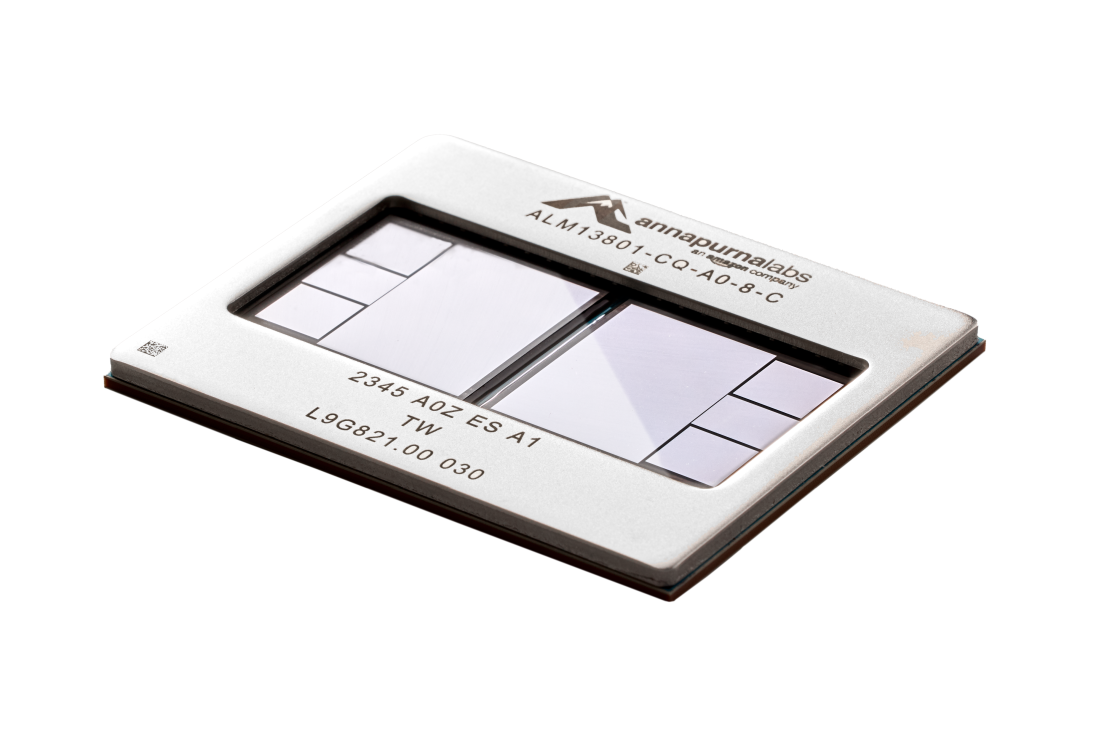
TorchNeuron brings Trainium into familiar PyTorch workflows, from interactive debugging to compiled execution and custom kernels.
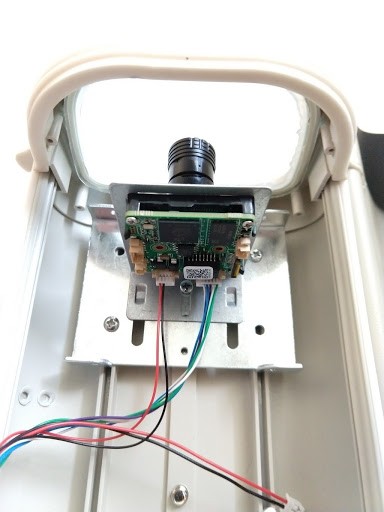
Meteor stations depend on camera readout, accurate clocks and continuous acquisition to turn brief streaks into measurements.
London-based Certain Things is replacing the logic board rather than the familiar case, screen and click wheel. Raspberry Pi silicon and a dedicated audio converter sit at the centre of the design.
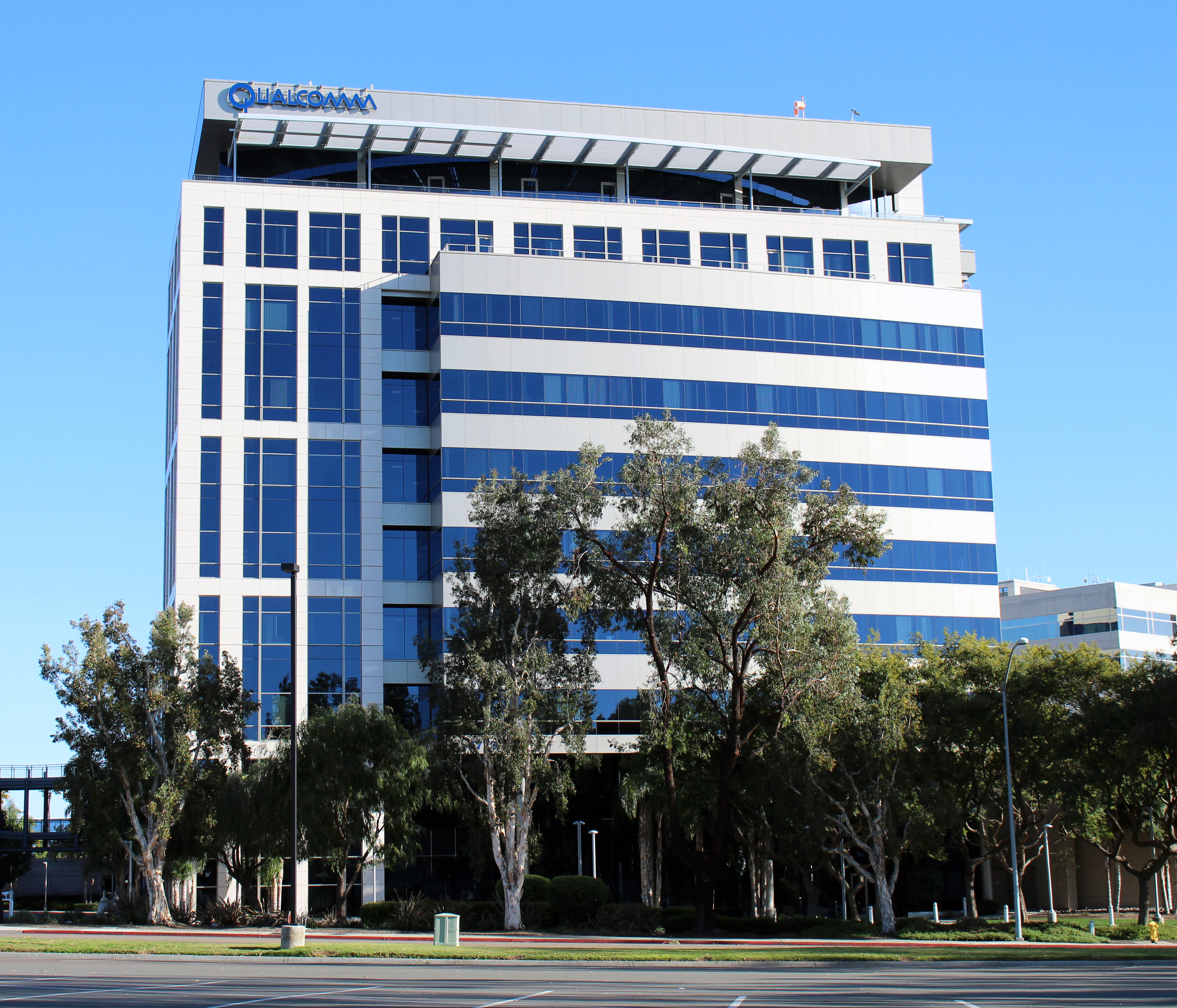
The $2 verdict covers withheld technical materials and interference with Qualcomm’s Meta relationship. A larger dispute over custom CPU licensing and royalty payments remains unresolved.
Nvidia’s DLSS 5 update reduces model footprint and reported VRAM use, changing the resources left for rendering.
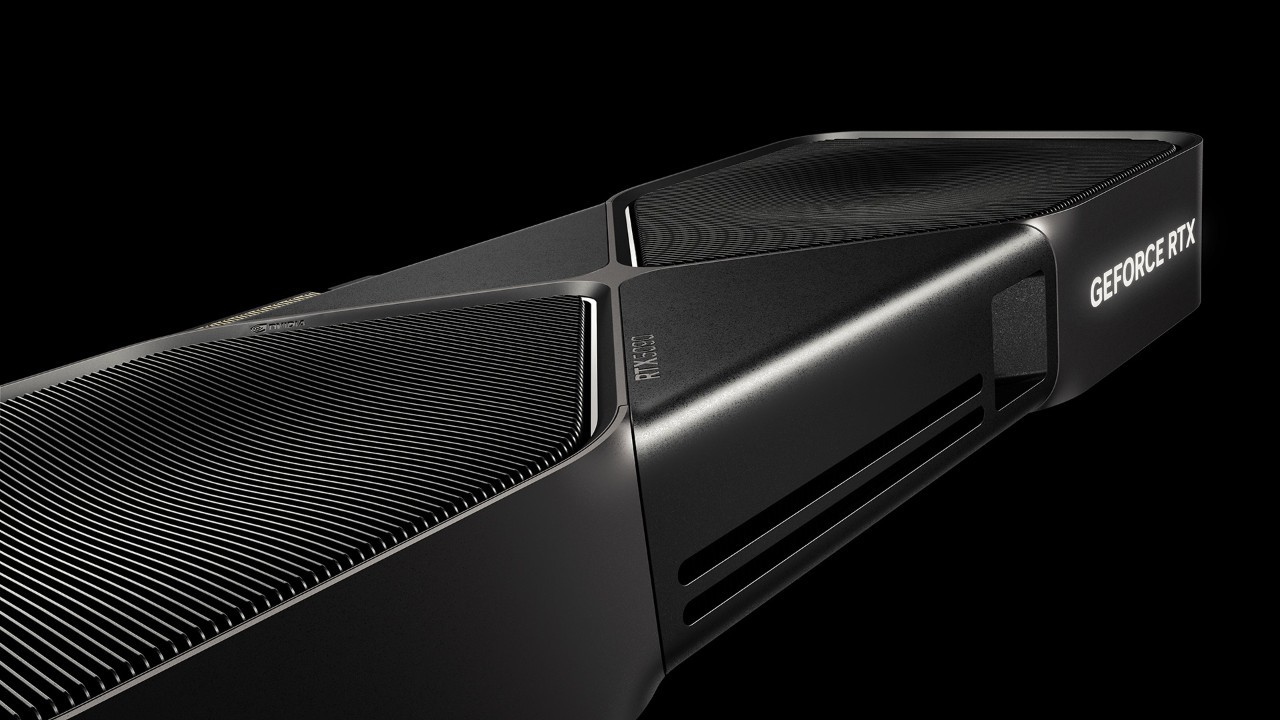
A direct-mounted RTX 5090 conversion spreads auxiliary power across four connectors, with results so far reported by its builder.