We look into why component lead times change, what it takes to replace a discontinued part and how new rules affect products already in development.
The optical engineering startup’s model held focus to within about 5 µm of its room-temperature setting from −40 to +85 °C. Its own tolerance run leaves a question about the corners of the image.
BirriaSDR exposes raw I/Q samples from supported Wi-Fi adapters, with a documented 40 MSps receive path.
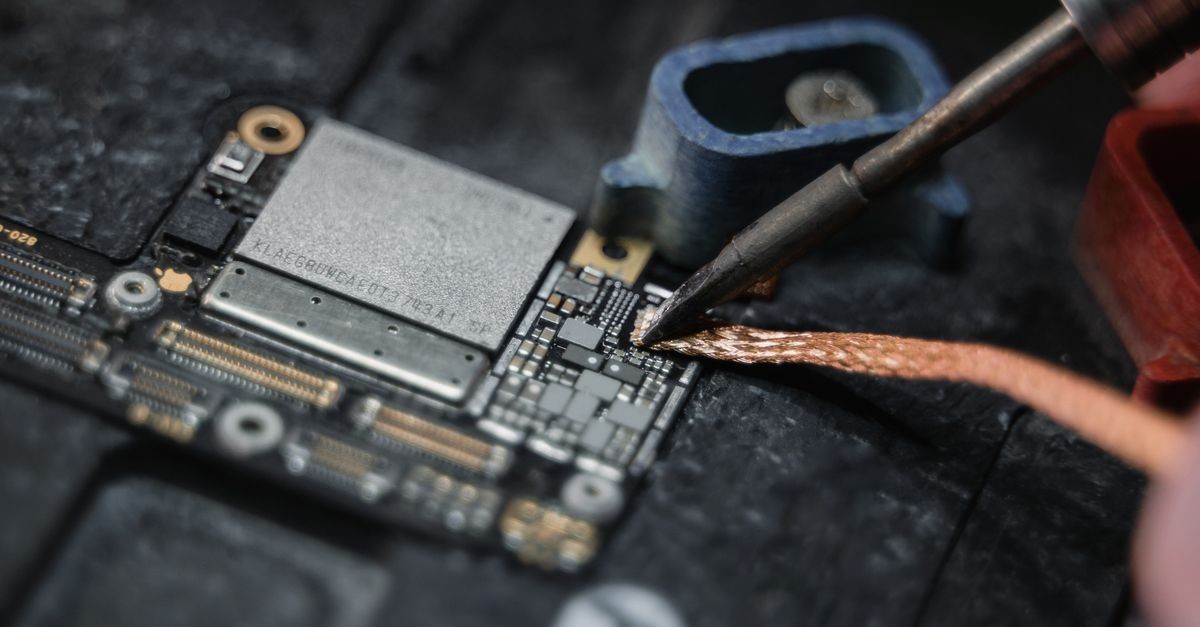
An orbiting optical attachment changes the view of visible solder joints while the board stays on the bench.
Six moving blades give the iPhone 18 Pro’s main camera physical control over the light entering its lens.
Super Nt+ and Mega Sg+ put configurable logic behind familiar cartridge slots. The point is to reproduce the behaviour of a system, not manufacture another copy of its original chips.
The ROG Xbox Ally X20 divides its airflow between the OLED display, heatsink and processor. Its magnetic joystick sensors reveal another change beneath the translucent case.
The University of Arkansas is building its power-electronics research around access to prototype manufacturing, packaging and system testing.
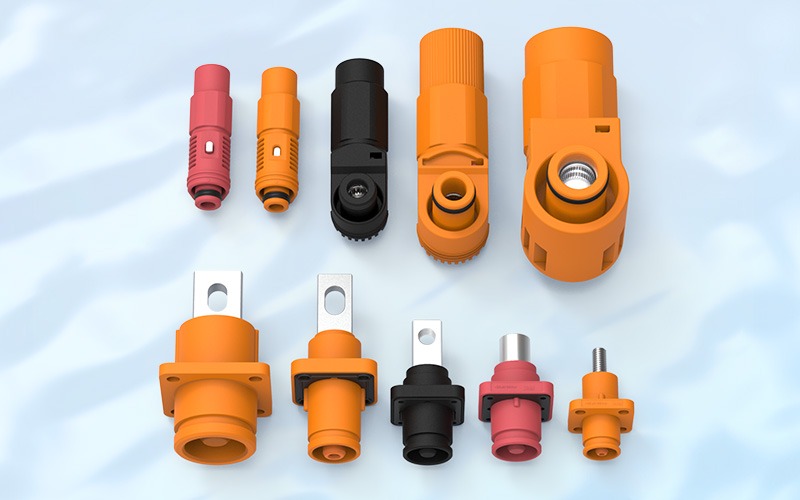
FPIC’s electronica display puts a 450A connector in view. Its approval conditions explain where that rating fits.
Suction holds it against the ramp. Thrusters move it through the air. Making those systems work together is a problem of sensing, actuation and control.
Sourceability reports longer lead times and price notices across several component families, with important differences between individual specifications.
Steam Frame can run software locally or receive PC-rendered video. Those modes divide the computing, power and timing problems differently.
Researchers have used a programmable optical cavity to control a 780nm laser and cool rubidium atoms, reducing the need for external frequency shifting hardware.
The geometry left by laser drilling and the surface prepared for copper deposition shape the limits of fine-feature PCB production.
A study of soft electrohydraulic generators shows why the way a pouch deforms can matter as much as the force applied to it.
New areas in Halls C5 and C6 add embedded systems workshops, live edge demonstrations and technical discussions to the Munich exhibition.
DJI’s automatic battery exchange shifts charging out of the immediate pause between drone missions, alongside new inspection and obstacle sensors.
A silicone waveguide containing quantum dots provides a flexible optical route to temperature measurement, with a prototype materials cost of $36.63.
Faster scanning is only part of package inspection. SonoFlex also tackles the interpretation of acoustic images and the handling of larger panels.
An errata review needs to connect the silicon revision being purchased with peripheral modes, firmware workarounds and production tests.
A zero-failure result needs a sample size, exposure and confidence level before it can support a reliability claim.
TSMC’s record results arrived in a week of falling technology shares and fresh manufacturing commitments. There is plenty of money going into semiconductors. Where it goes matters rather more than the headline total.
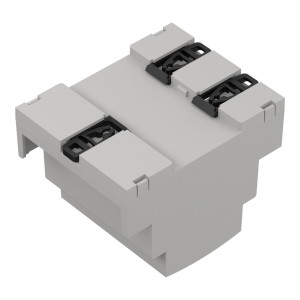
Board supports, terminals, covers and protection requirements belong in enclosure selection before the PCB outline is fixed. Kradex’s range through TME provides the examples.
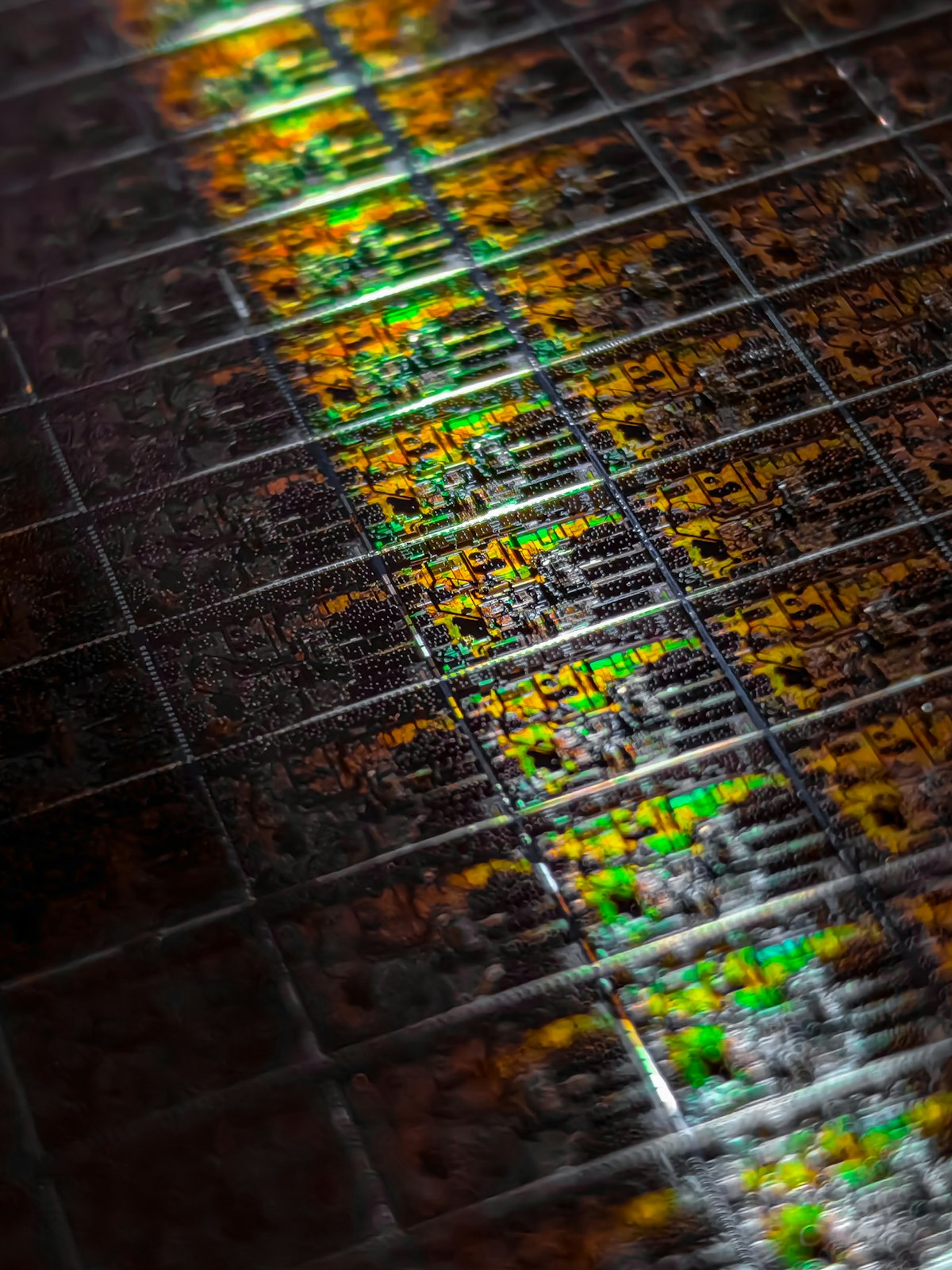
Atomic simulation, virtual fabrication and inspection need different models and validation. Nvidia’s partnerships show where GPU acceleration fits each task.
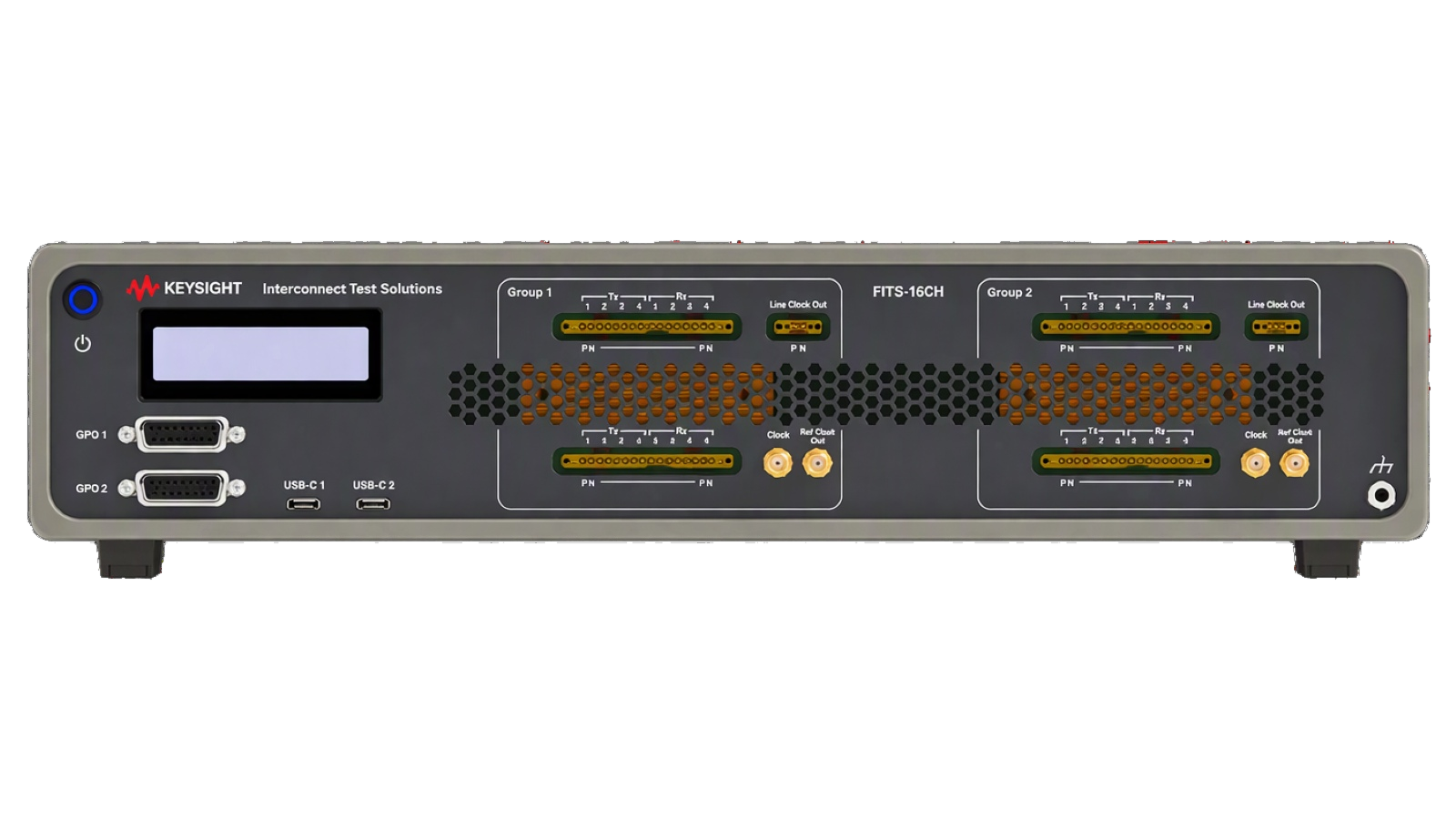
Eye diagrams, error ratios and FEC statistics answer different questions. Test duration and error distribution determine what an error-free result can establish.
CoreWeave, IREN and other infrastructure stocks have taken a beating. Their financial results and ASML’s order outlook show why the answer is more complicated than a falling share-price chart.