Where a SiC design goes before a volume fab will take it
A promising power device and a production-ready component are separated by rather more than a purchase order. Someone has to turn the design into a repeatable process, make enough devices to find its weaknesses, and work out how to package and test them. The quantities involved may be too small for a volume manufacturer, even when the technical questions are substantial.
That is the gap the University of Arkansas’s Multi-User Silicon Carbide Research and Fabrication Facility, MUSiC, is intended to occupy. In a new KUAF interview, Alan Mantooth describes prototype manufacturing as part of a wider research structure brought together through the university’s ARIES Institute.
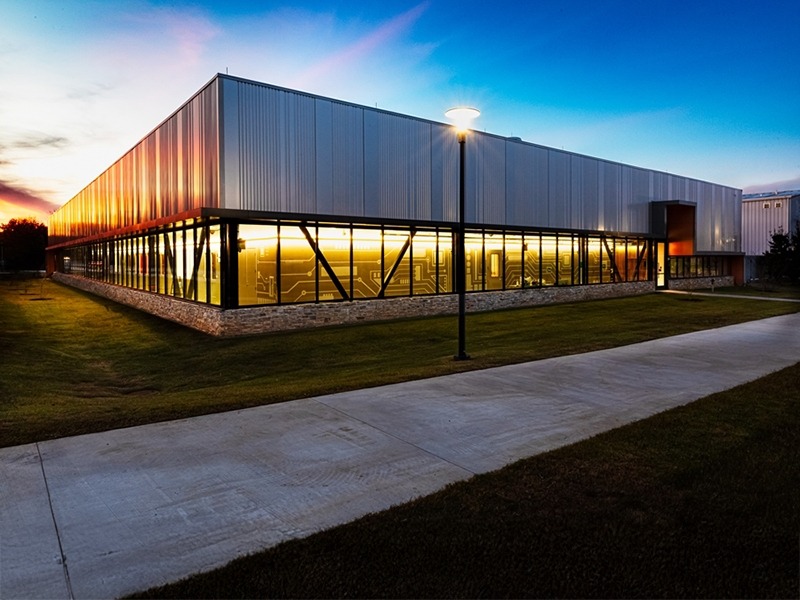
MUSiC is not a newly opened factory this week. Its dedication took place in 2025. The current development is the way the university is connecting that fabrication capability with its established power-electronics work, including packaging and system research.
A different job from a commercial fab
The facility’s operating model makes room for small runs and process development. Commercial foundries need manufacturing work that fits their production systems and economics. A research facility can instead accommodate the experiments needed to determine whether a device or process is ready for that environment.
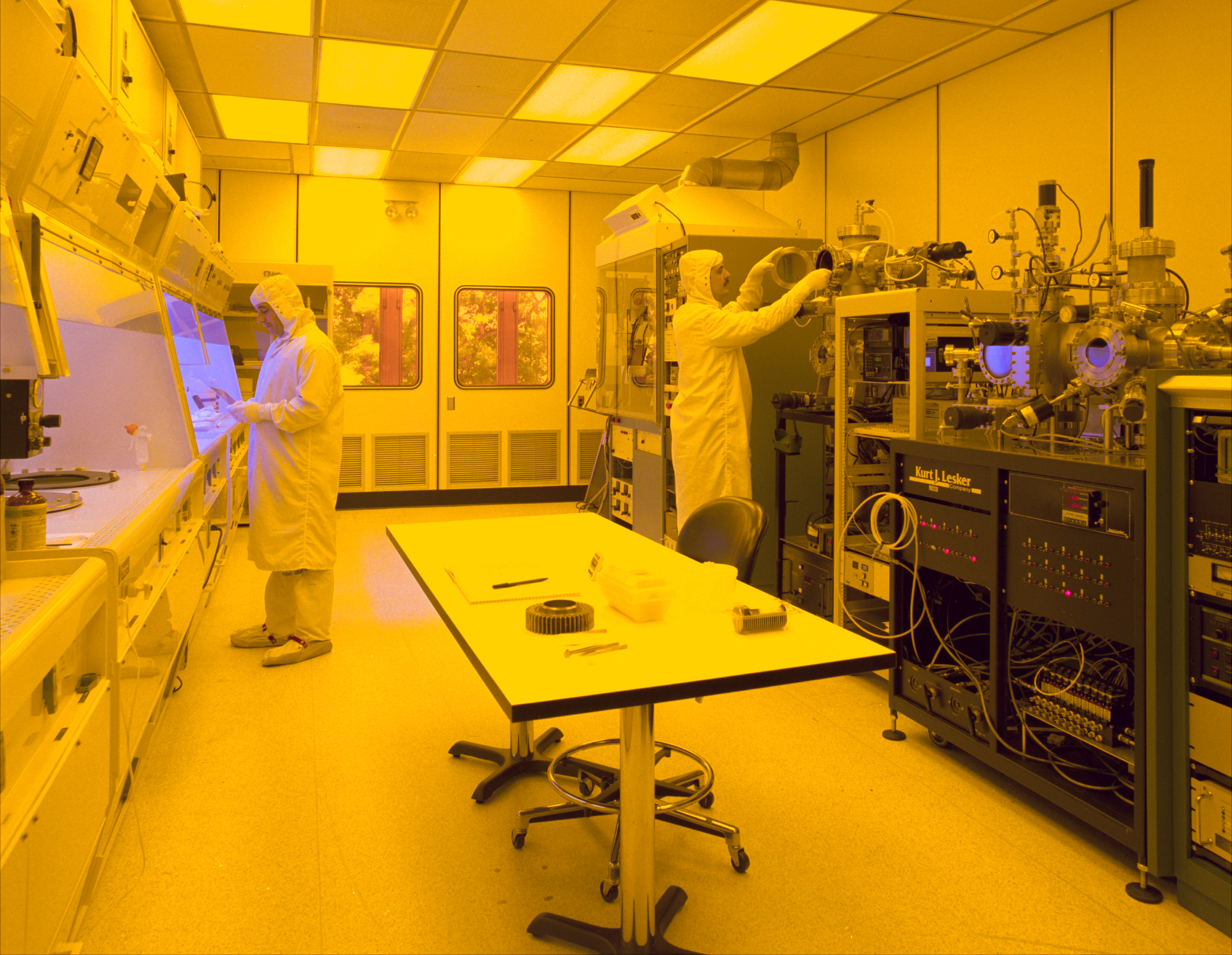
The university describes MUSiC as an open-access facility serving industry, government and academic users. Its multi-project wafer approach allows more than one project to share fabrication resources. The building covers approximately 22,000 square feet, with an eight-bay cleanroom designed to expand to ten bays.
There is a commercial connection as well. Mantooth discusses work with X-FAB’s operation in Lubbock, Texas, and the need to protect users’ intellectual property while developing prototypes. The university’s dedication account describes foundry-ready design support and standardised interfaces as part of that relationship.
A route towards a commercial process is useful, but it is not automatic qualification. The prototype stage establishes evidence about the device and its manufacture; a production application still has its own process controls, reliability requirements and acceptance work.
The die is only one stage
The Arkansas programme also includes the High Density Electronics Center and the National Center for Reliable Electric Power Transmission. That links fabrication with packaging and power-system research, rather than leaving a completed wafer as the end of the exercise.
For a power semiconductor, these stages are closely connected. A die’s electrical behaviour has to be examined alongside the connections that carry current, the package that removes heat and the switching conditions imposed by the circuit. These are separate engineering tasks, even when they are undertaken within one research programme.
MUSiC gives those early manufacturing questions a physical home: a facility designed to make prototype devices before the work is large enough, or sufficiently mature, for a volume fab.
Sources: Current interview with Alan Mantooth; Facility dedication and photograph; University account of the manufacturing programme.