MOSFETs, IGBTs, gate drivers and PMICs, including the shift to GaN and silicon carbide.
Vishay has introduced four SOT-227 power modules using 650 V superjunction MOSFET technology, aimed at drop-in use in existing designs.
Silicon, silicon carbide and gallium nitride devices can all improve a power converter when used in the right operating range. The useful comparison starts with voltage, switching frequency, thermal limits, packaging and system cost, not with the newest material.
Renesas is sampling a 650V GaN device in a dual-side-cooled 8x8mm package aimed at 800V HVDC power stages in megawatt-scale AI data centre racks.
Infineon will supply silicon carbide power devices for Eaton's medium-voltage solid-state transformer platform aimed at 800 VDC AI data centre power architectures.
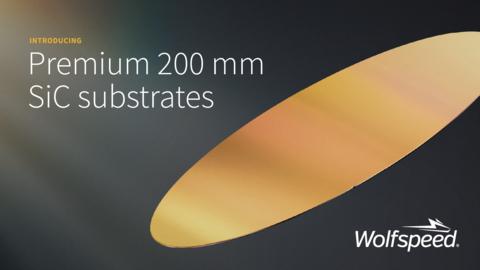
The orderable substrate has a published micropipe limit below 0.01 per square centimetre as device makers assess yield and supply at 200 mm.
The carmaker will assess electrical, thermal and safety performance before deciding whether the cells are suitable for future vehicles.
Diodes Incorporated has introduced four 60 V field plated Super Barrier Rectifiers for power conversion, battery charging, reverse polarity protection and automotive lighting.
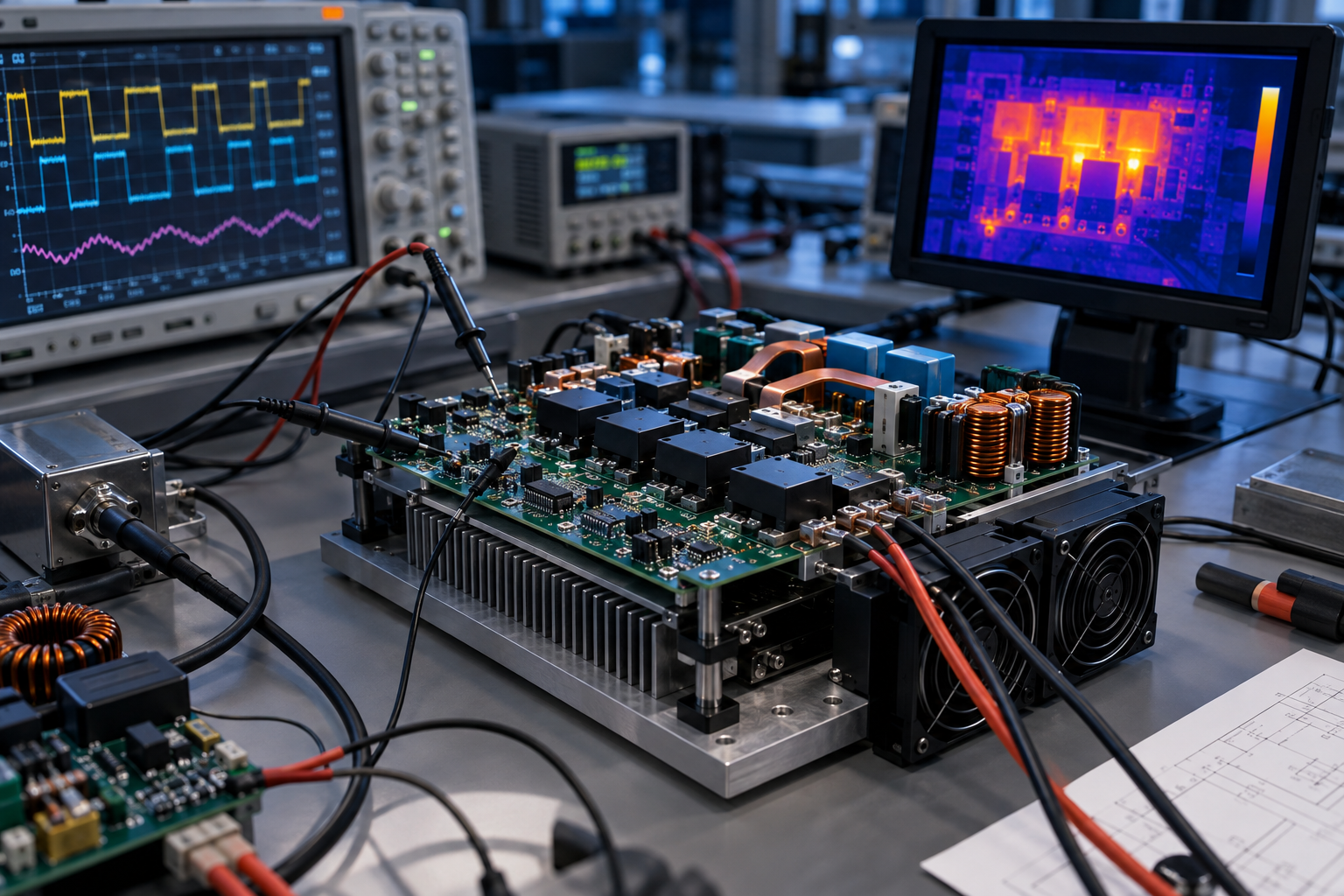
GaN and SiC can cut losses and shrink power stages, but the gain can disappear through poor gate drive, layout, protection or thermal design.
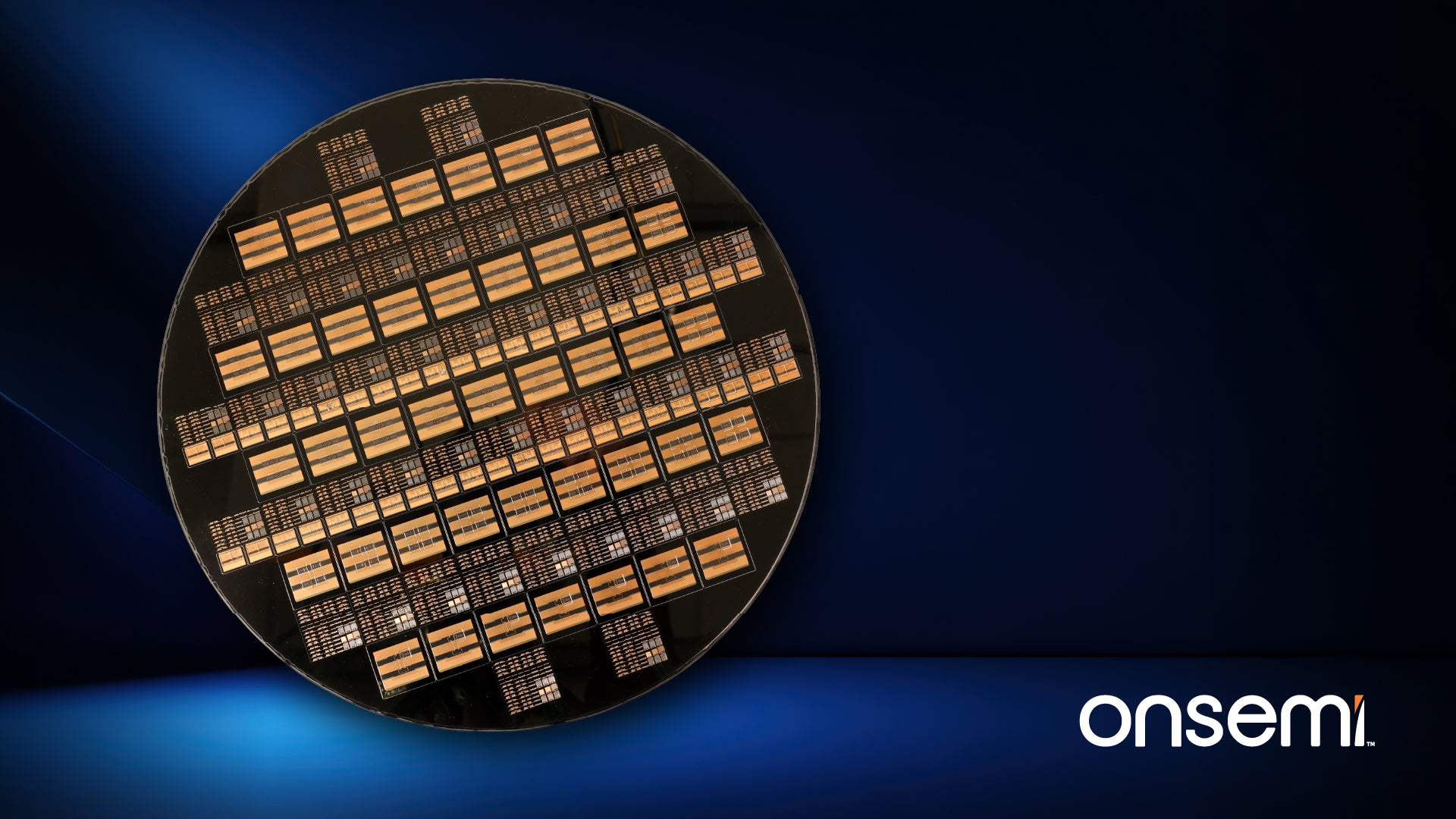
onsemi has unveiled the Embedded Power Platform, which uses the silicon wafer itself as the package, with sampling to strategic customers expected in 2026.
Vishay has introduced four surface-mount rectifier series rated 5 A to 12 A in a new 0.88 mm DFN6546A package with wettable flanks, some in AEC-Q101 qualified versions.
Infineon and SolarEdge are extending their partnership to solid-state circuit breakers using CoolSiC JFETs for 800 VDC AI data centre power distribution.
Vishay has introduced a 15-device XClampR bidirectional TVS series in DO-218AC, targeting automotive and industrial transient protection with a clamping ratio close to 1.0.
The previous I²C fault is resolved, followed by a fictional sourcing problem involving a formally compatible MOSFET substitute.