The stories that stood out on day three at electronica 2026

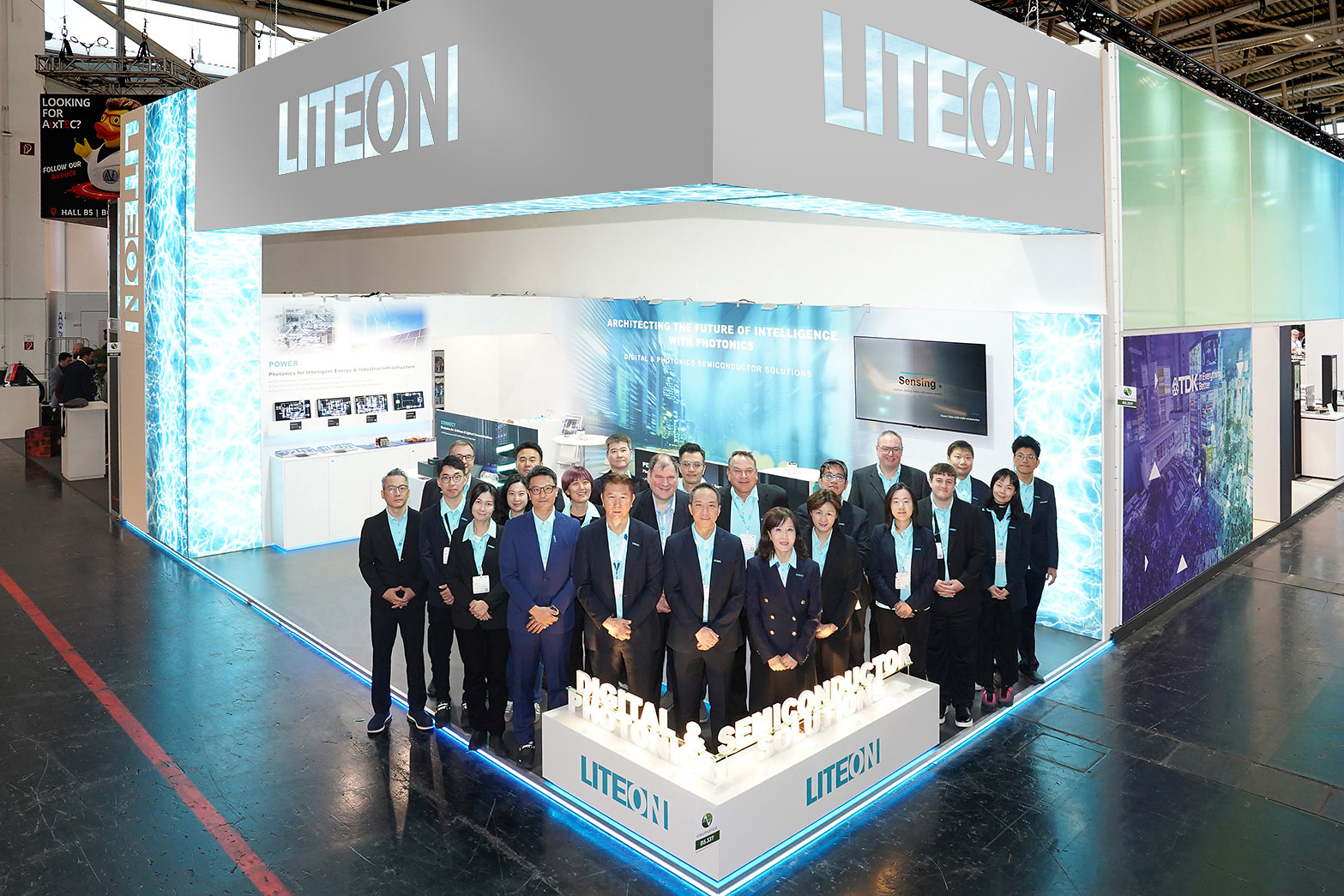
Visitors and exhibitor stands at edge lab LIVE on day two of electronica 2026 in Munich. © Messe München. Official photo gallery · Editorial usage terms
Luminovo lets buyers ask which boards use a part
When a supplier tells you a component is going obsolete, the first job is often finding out where you’re still using it. At electronica, Luminovo gave its first live demonstration of a connection that lets buyers ask an AI assistant to look across their bills of materials and check supplier information such as pricing and lead times. The company announced it before the show and opened the beta to selected customers in Munich, where co-founder Sebastian Schaal was on Thursday’s PCB and EMS forum programme.
Ambient Scientific brings a listening circuit into CELUS
Ambient Scientific and CELUS are putting the GPX10 Pro into the CELUS design platform as a reusable circuit with a parts list. Ambient says the processor can listen continuously for a keyword on less than 100 µW, but by the time you’ve added the microphone and the circuitry around it, you’ve got a different number to work with. Having those parts alongside the chip in the design gives you somewhere to start while there’s still room to change the battery. The chip itself launched last year.
Fraunhofer keeps the receiver awake
A sensor might spend most of its life asleep and still need to pick up a message the moment one arrives. At the Embedded Developer Forum, Fraunhofer IIS’s Heinrich Milosiu explained how a separate wake-up receiver can do the listening while the main radio or processor stays asleep. The FH101RF can monitor 433 MHz, 868 MHz and 2.4 GHz at once, drawing 7 µA from a 1.5 V supply in that mode. Fraunhofer puts the response time at 30.5 ms in the standard configuration, with a faster mode that can bring it down to 1 ms.
A circuit board that gives up its copper
The resin in a circuit board has to hold everything together through soldering and years of use. At the PCB and EMS forum, Incirqel’s Victoria Constance Köst set out how a bio-based resin could do that job and still be broken down chemically when it’s time to recover the copper and components. Incirqel says its laminate can run on existing production lines, with a glass transition temperature of 160 °C and more than ten minutes to delamination at 260 °C. Those are figures board shops can compare with the FR-4 they already use.
A GaN charger in Munich and a chiplet update from Tokyo
Wednesday’s discussion about using bidirectional GaN switches beyond solar had a concrete example on the show floor. Visteon and SHINRY are developing an EV onboard charger with Infineon that combines the work of two conversion stages into one, doing away with the bulk capacitors between them. Infineon says the design supports 22 kW three-phase charging and can send power back out of the vehicle.
There was a follow-up to Wednesday’s chiplet discussion too. In Tokyo on Thursday, Japan’s ASRA and imec published a set of requirements for combining automotive chiplets from different suppliers. It gives the companies designing those dies a shared starting point for getting them to work together in the same package.
And finally, what does a lawnmower make of a pile of leaves?
If you’re pushing a mower, you know there’s still lawn under the leaves. Suntek’s smaller robot has one camera to make that call, and Fibocom says that bare soil, dry leaves and even dark lines on the ground could throw it off. The team went back through examples from real gardens to retrain the software, which now guides a mower that can cover up to 600 m² without a buried perimeter wire.
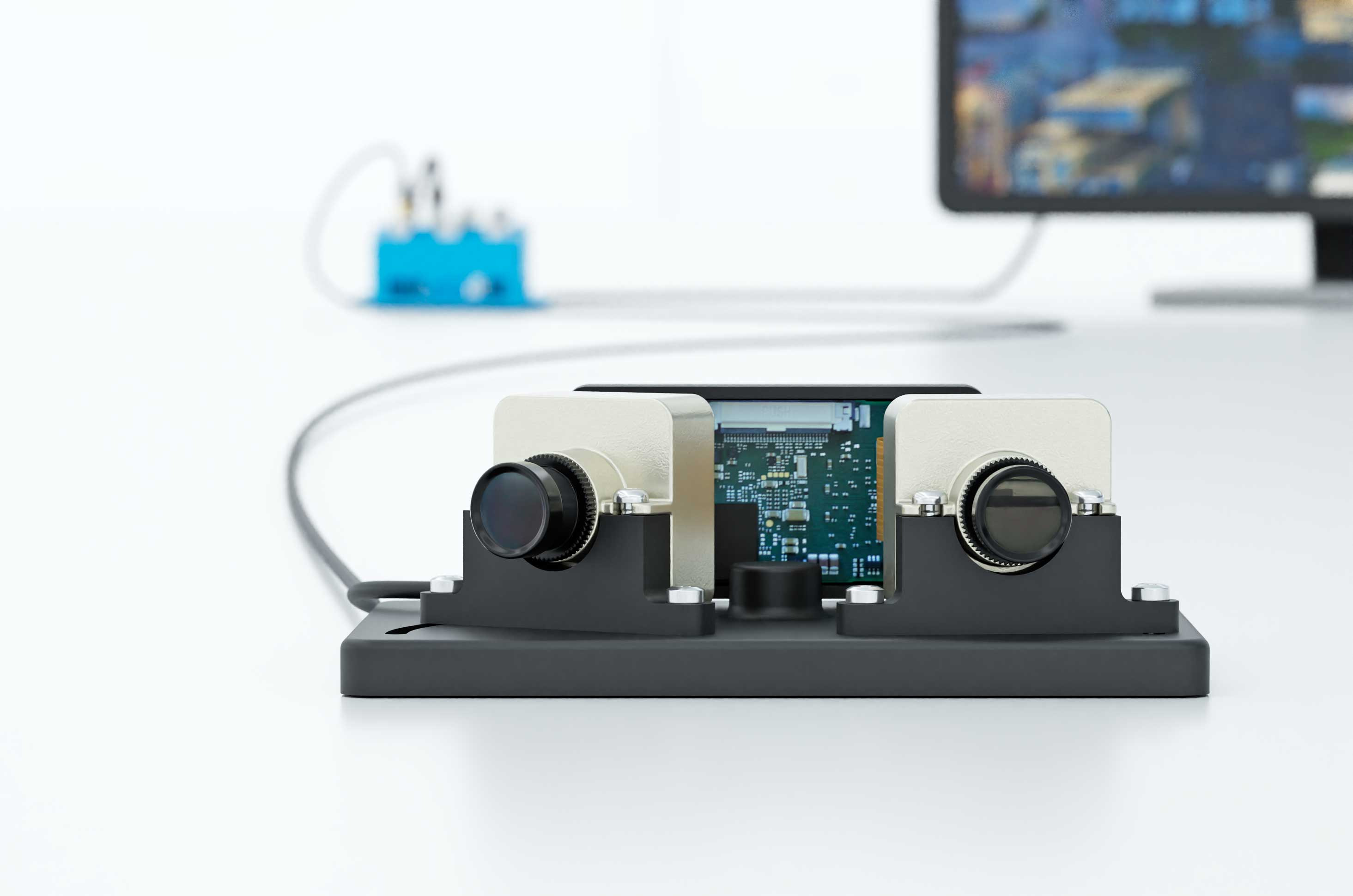
Suntek’s larger model adds stereo cameras to judge how far away an overhanging branch is and uses RTK satellite positioning to help it find its way around. Both models have gone into production, though the problem that stuck with me was the one facing the cheaper mower. Before it can cut the grass, it has to work out where it’s gone.