Two suppliers can still leave a fab with one manufacturing dependency
A semiconductor supply chain can look geographically diverse on a supplier list and become much more concentrated when the factories are mapped. SIA’s October study measures the difference: the US, Europe and Japan account for 95% of the equipment and materials supplied to American chip manufacturing by supplier headquarters, falling to 68% by production or assembly location.
Published on 9 October, the study covers roughly $27 billion in annual Tier 1 equipment and materials consumption, rather than all components bought by American electronics companies. The change in geography appears without a single purchase order moving: the commercial relationship and the physical dependency sit in different places. Ownership also makes a poor substitute for production diversity. Two independent suppliers might both depend on one upstream operation. If that operation stops, the second approved name provides less protection than the purchasing records suggest.
SIA estimates that Japan supplies around 75% of ABF package substrates and about 70% of lithography mask blanks within the markets it analyses. Japan belongs to the group behind the reassuring headquarters figure. Concentration remains concentration even when the country is an established trading partner.
ASML’s Berlin fire in January 2022 provides a useful historical example of how precisely a dependency can be located. The incident affected part of the production area for an EUV wafer-clamp module. Other buildings remained operational and DUV component manufacturing restarted; by 19 January, ASML believed it could manage the consequences without a significant effect on system output for the year. The eventual assessment was reassuring, but the exposure had to be understood at the level of a particular module and production area. A country-of-headquarters entry would never have described it adequately. Nor would a general claim that lithography equipment was available from an established European supplier.
Inventory can bridge a temporary interruption. Its value depends on how long the material remains usable and whether production recovers before the buffer runs out.
SIA’s accompanying policy statement takes a wider view, combining selected domestic capacity and strategic inventories with continued access to specialist allied suppliers. It also supports research and pilot-line access to help alternative materials and processes reach production. Where a process is permanently lost, a stockpile becomes the finite supply supporting production while another operation is developed and qualified. If that work takes longer than the inventory lasts, the production gap remains even though the supplier list has acquired a second name.
Sources
- SIA: Understanding Dependencies in the U.S. Semiconductor Supply Chain
- SIA accompanying statement, 9 October 2026
- ASML fire assessment, 7 January 2022
- ASML subsequent assessment, 19 January 2022
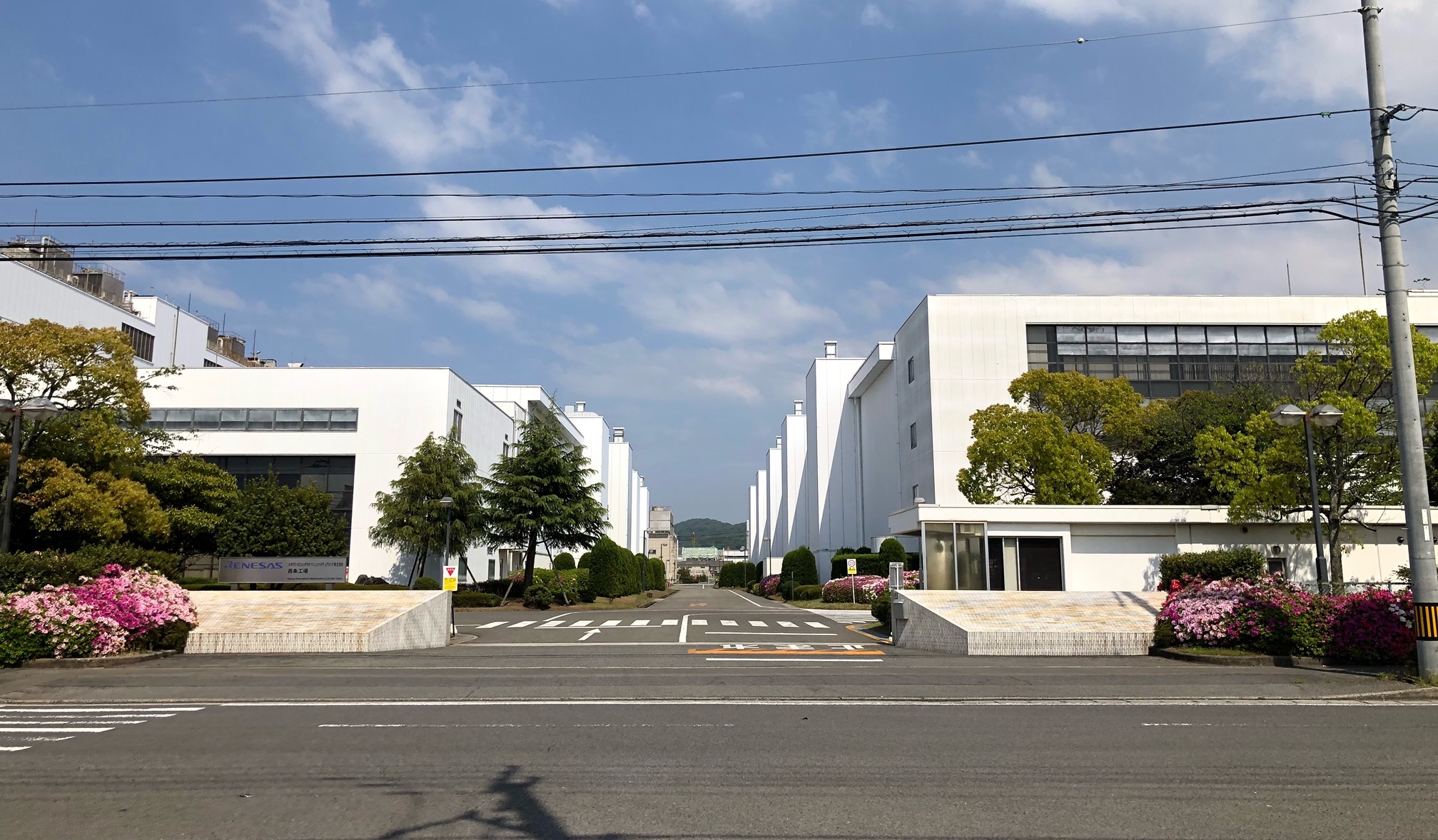
Image: Renesas semiconductor factory in Saijo, Japan, photographed in April 2021. Illustrative factory photograph. 地方の田舎もの. Image source. CC BY 3.0.