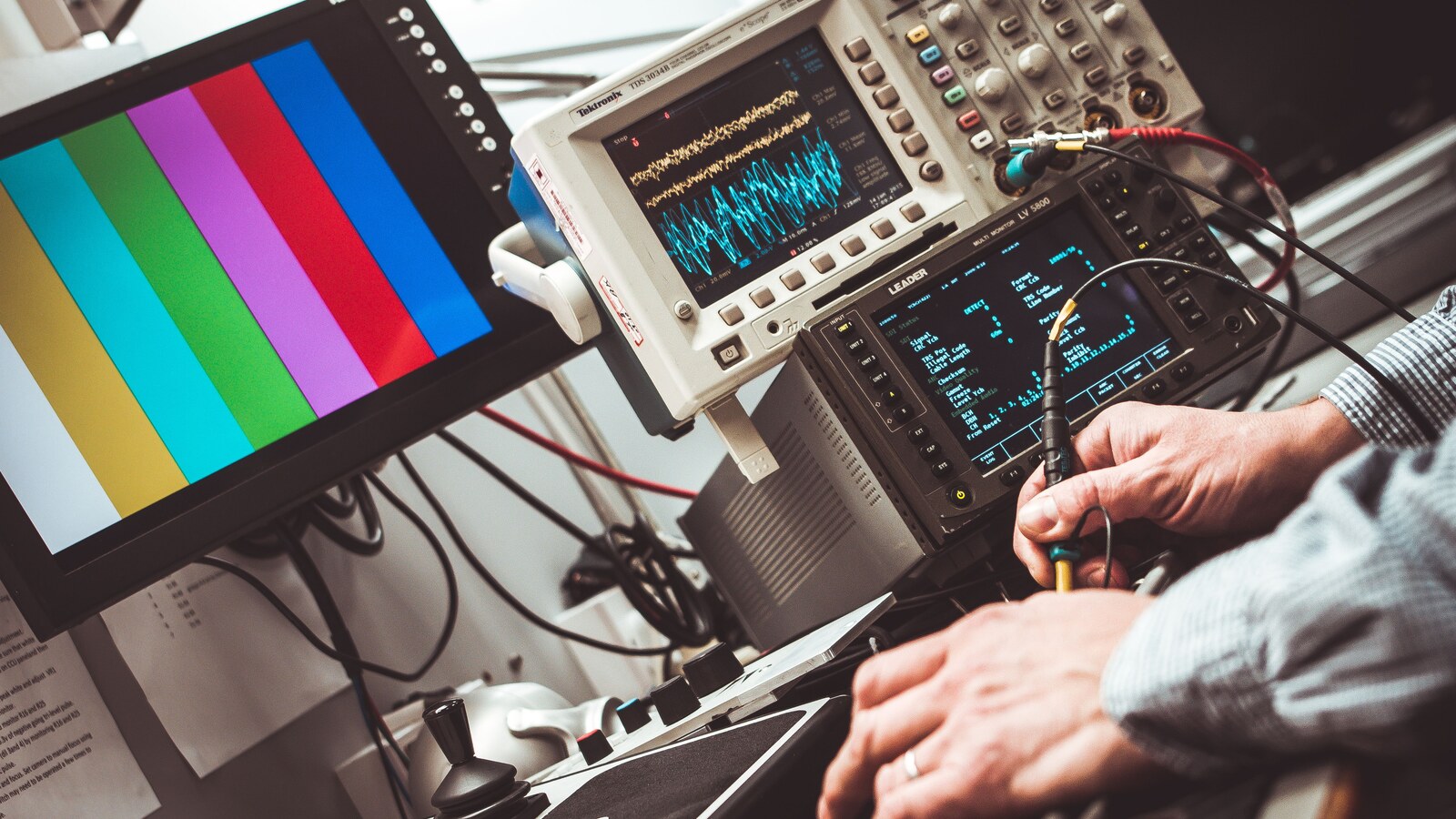
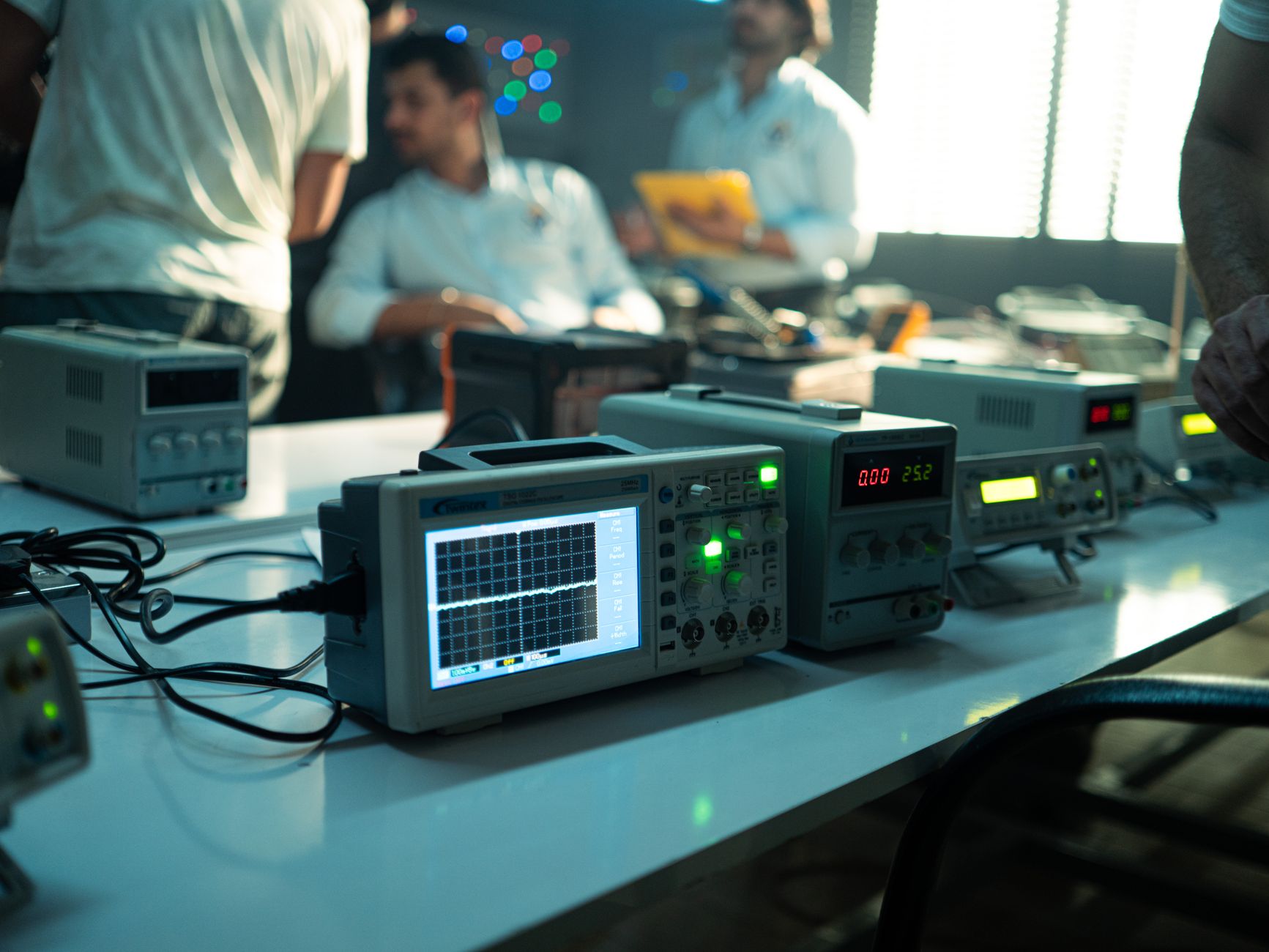
Instruments, inspection and verification methods, including AOI and X-ray. How you prove a design and a build actually work.
The headline specification is rarely the complete requirement. Limits, conditions, package data and footnotes determine whether a component will perform in the real circuit.
First, the answer to last week’s CAN fault. Then a replacement op-amp that behaves on a cold bench but loses accuracy as the board warms.
A prototype proves that one build can work. Production must prove that the design still works across component tolerances, process variation, environmental limits and repeated assembly.
The Near-DUT platform supports emerging DRAM and NAND interfaces, with production and engineering configurations built around common hardware and software.
Analyzer 26.10 uses an AI agent to prepare verification work while the formal engine performs the analysis and reports MC/DC coverage.
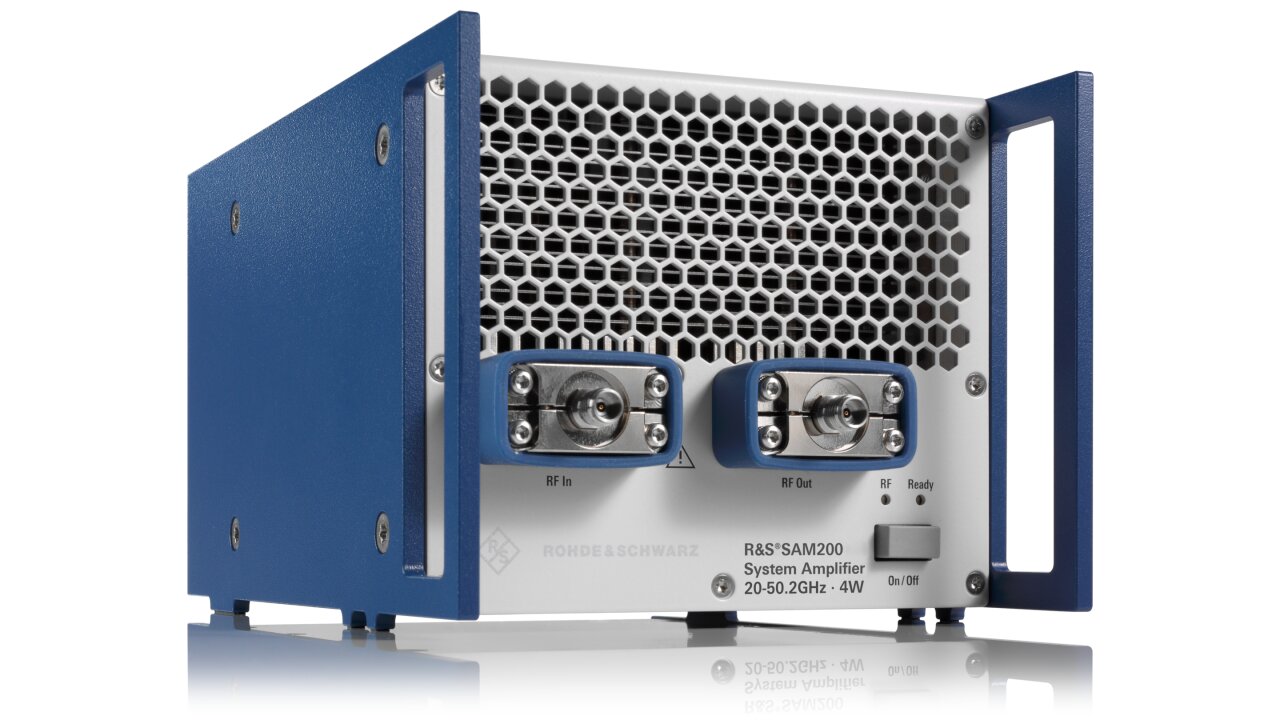
Rohde & Schwarz has introduced the R&S SAM200 family of solid-state system amplifiers, extending its frequency coverage from 20 GHz to 53 GHz with up to 4 W of saturated output power.
GSME and Teradyne have announced a partnership to establish a semiconductor test and evaluation centre at GSME’s new Silicon Valley headquarters.
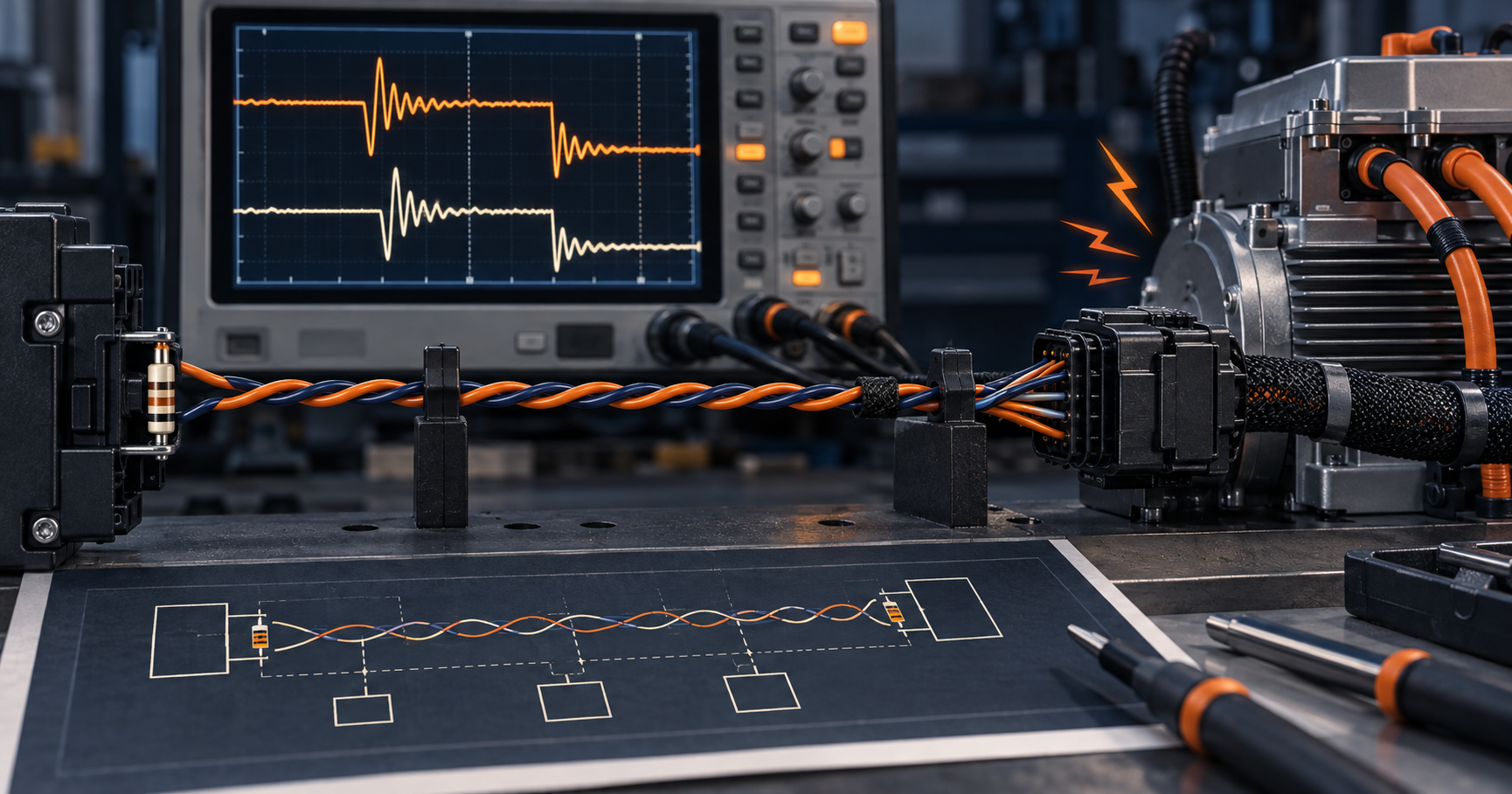
The network passes static checks and communicates for hours at idle. Direction changes produce short bursts of errors on the longest branch. Where should the investigation begin?
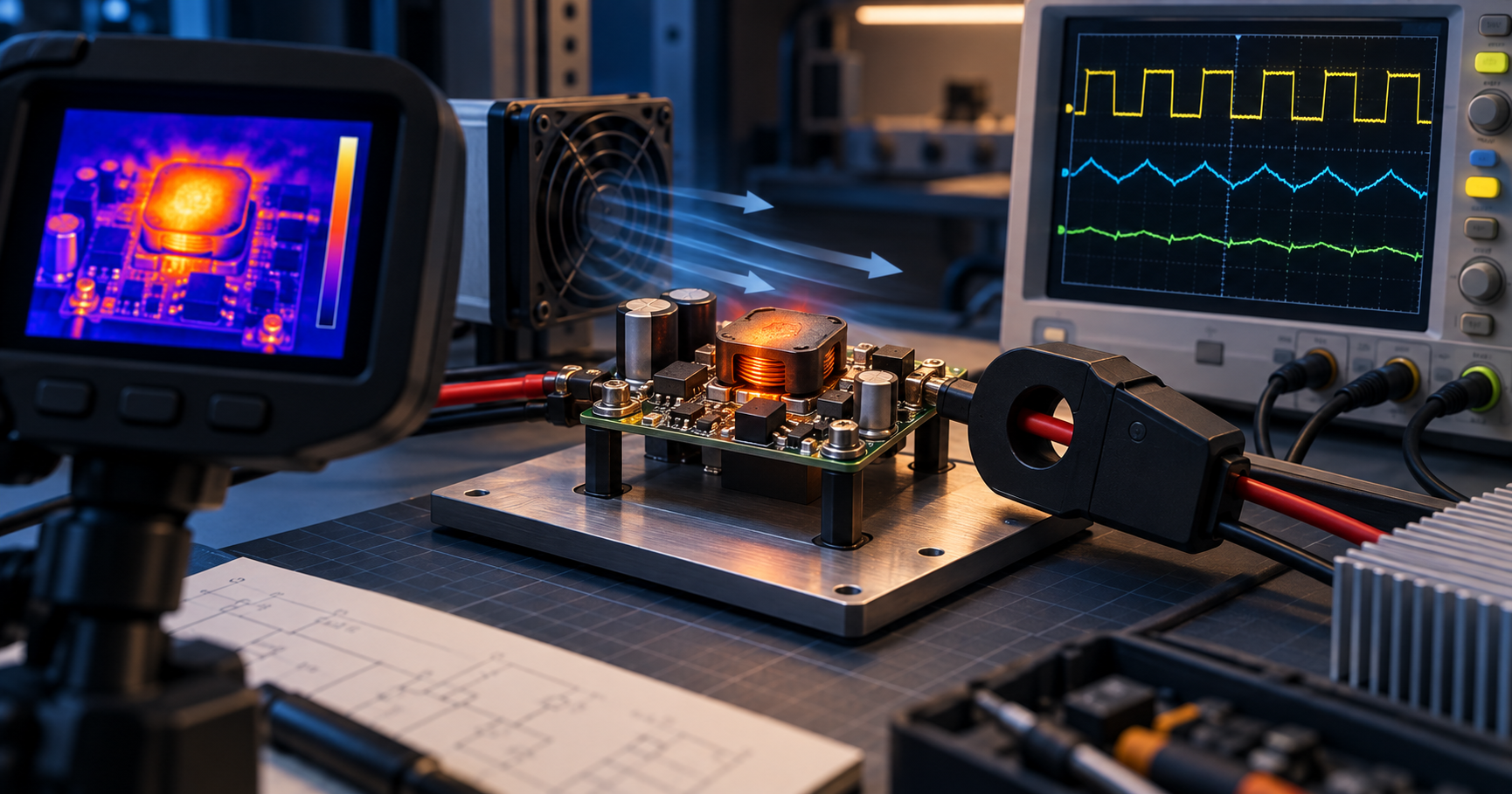
The bench test passed, efficiency looked acceptable and the pin-compatible module fitted. In the assembled product, case temperature rises toward shutdown after twenty minutes. What would you check first?
The connector investigation is resolved, followed by a fictional assembly problem involving intermittent capacitor shorts after installation.
The MOSFET substitution is explained before a fictional field-reliability problem involving low-level signals and repeated vibration.
A fictional design-team case about intermittent I²C errors that appear only after twenty minutes at operating temperature.