Embedd builds chip models that can generate firmware and tests
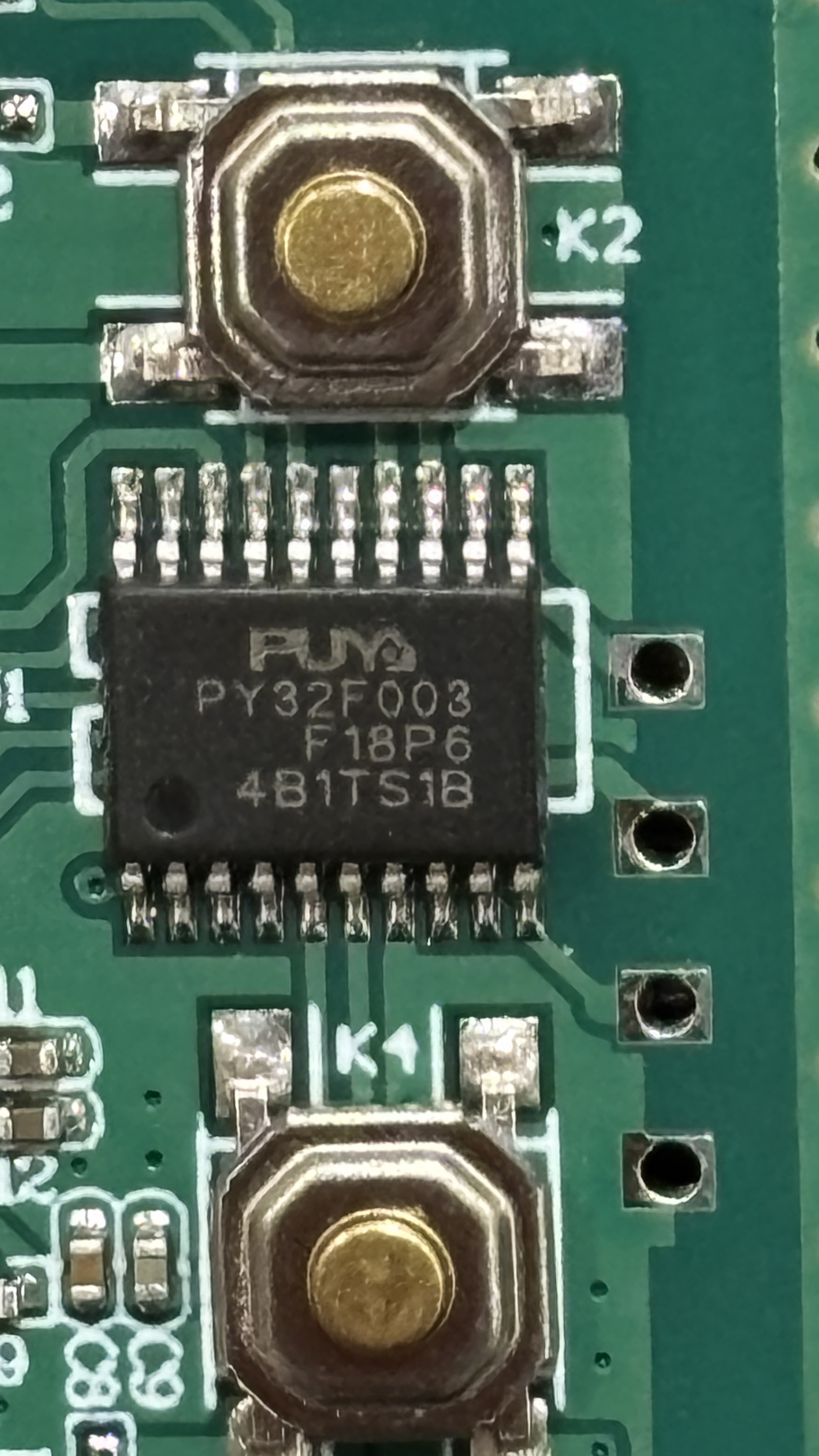
Illustrative microcontroller close-up. Ooi6mt / Wikimedia Commons · CC BY-SA 4.0
Embedd is presenting a way to generate firmware, tests and simulations from a shared model of chip behaviour at electronica in Munich. The London startup’s starting point is a machine-readable description of the device, rather than a separate interpretation of the silicon documentation in each software project. Embedd describes the generation step as deterministic, so a given model and configuration should produce the same output when run again.
A single peripheral is enough to show where that might help. A driver needs the register addresses, reset values and access rules, while a simulator needs to behave as though those same rules apply. A test has to know what to expect when software writes a value or clears a flag. When those definitions are maintained separately, a change in the silicon can leave one of the three behind. Generating them from a common description gives the change a single starting point and makes it easier to reproduce the outputs for a particular configuration.
It also creates a particular kind of validation problem. Suppose the model says an interrupt flag is cleared by writing zero when the device actually clears it by writing one. A driver and simulator generated from that model could agree, and the test could pass, while the interrupt stayed asserted on hardware. The revealing evidence would be a traceable example that starts at the reference documentation, shows what the generator produced and verifies the resulting register transactions on real silicon.
The official programme lists Embedd’s Fast Forward pitch at 17:30 Munich time on 10 November. The company’s public material explains the generation approach, but it does not identify a peripheral or publish a hardware validation result for the show.
Sources: Embedd’s technology overview; Official electronica Fast Forward session.