End-of-life and product change notices, last-time buys, requalification, counterfeit risk and long-term availability.
A bill of materials should do more than identify what purchasing bought last time. Built properly, it becomes an early warning system for lifecycle, sourcing and substitution risk.
A supplier notice can trigger a redesign, last-time buy or no action at all. The costly mistake is letting it sit in an inbox without an owner.
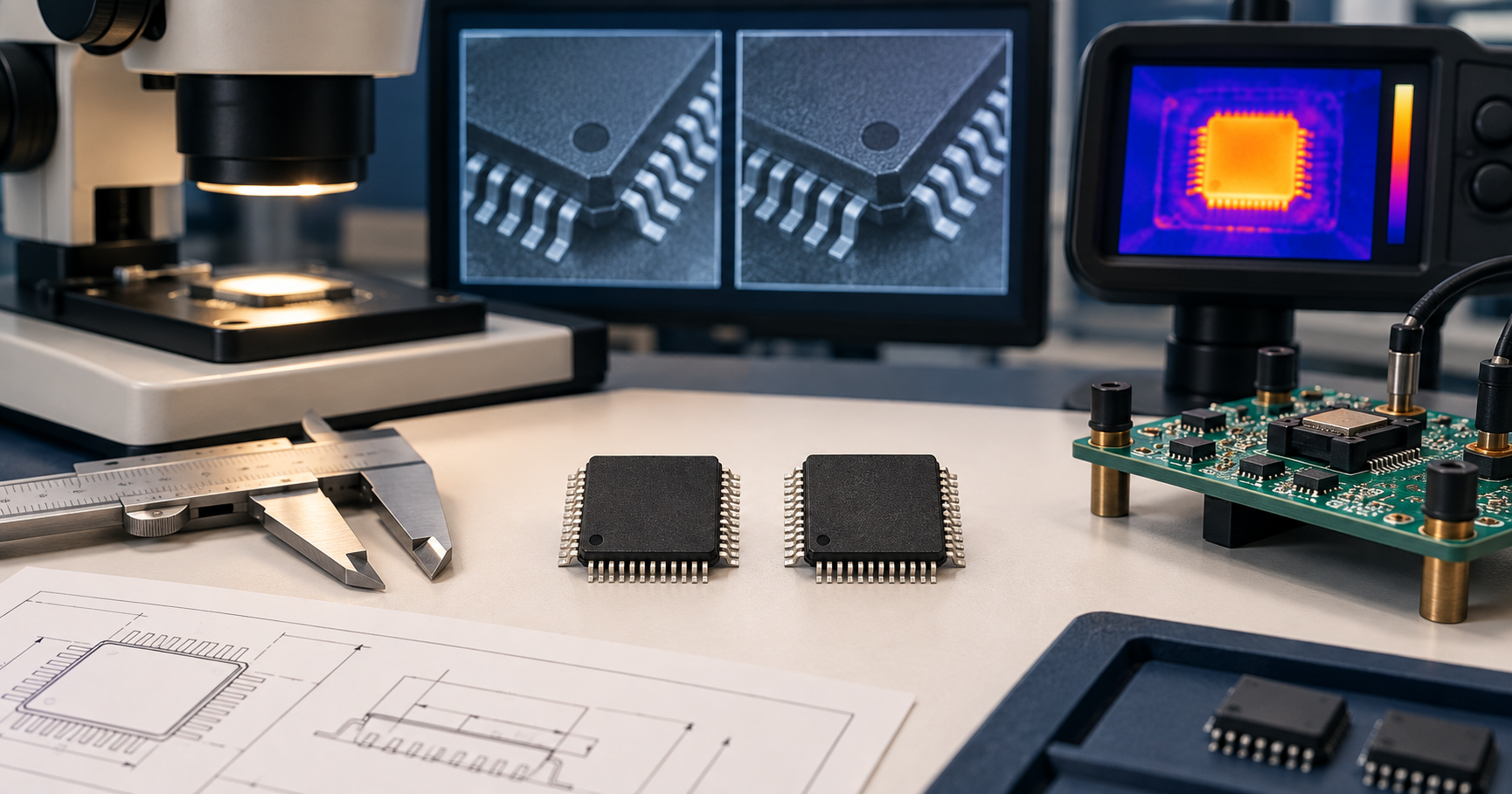
A pin-compatible substitute can pass a parametric search and still fail at the operating point. Here is the evidence engineers and buyers need before approval.
A component can remain electrically available while its firmware, signing keys or update path becomes the real lifecycle constraint. That changes what design managers need to record.
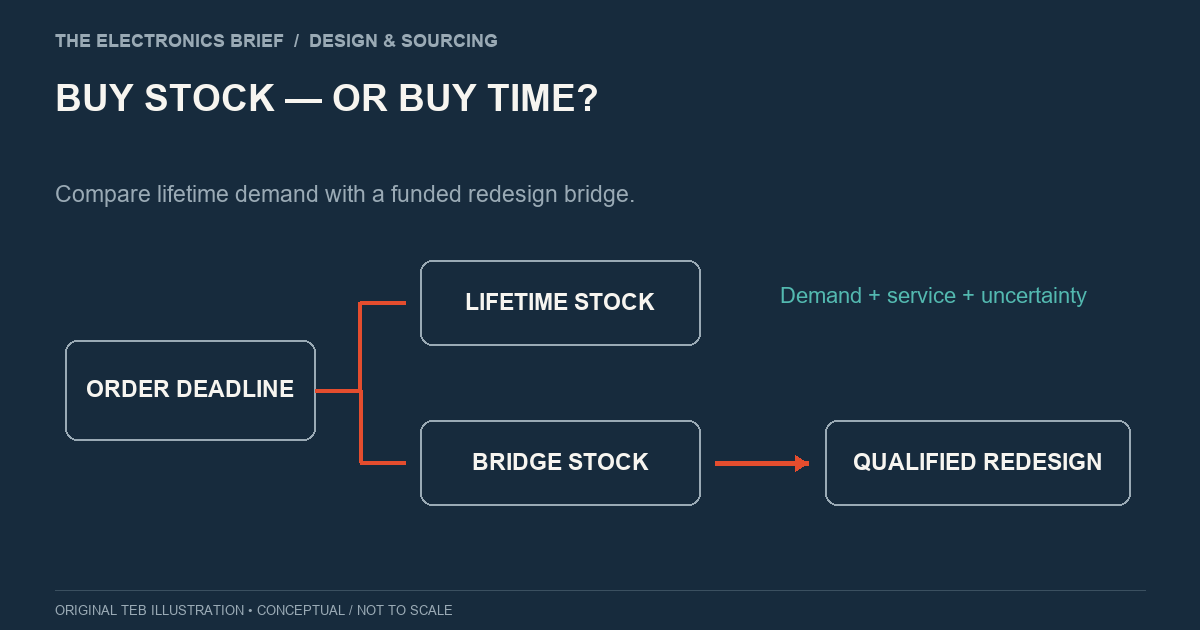
Buying enough obsolete stock is not the same as buying the right amount. Compare a lifetime purchase with a bridge to redesign before the order deadline removes your options.
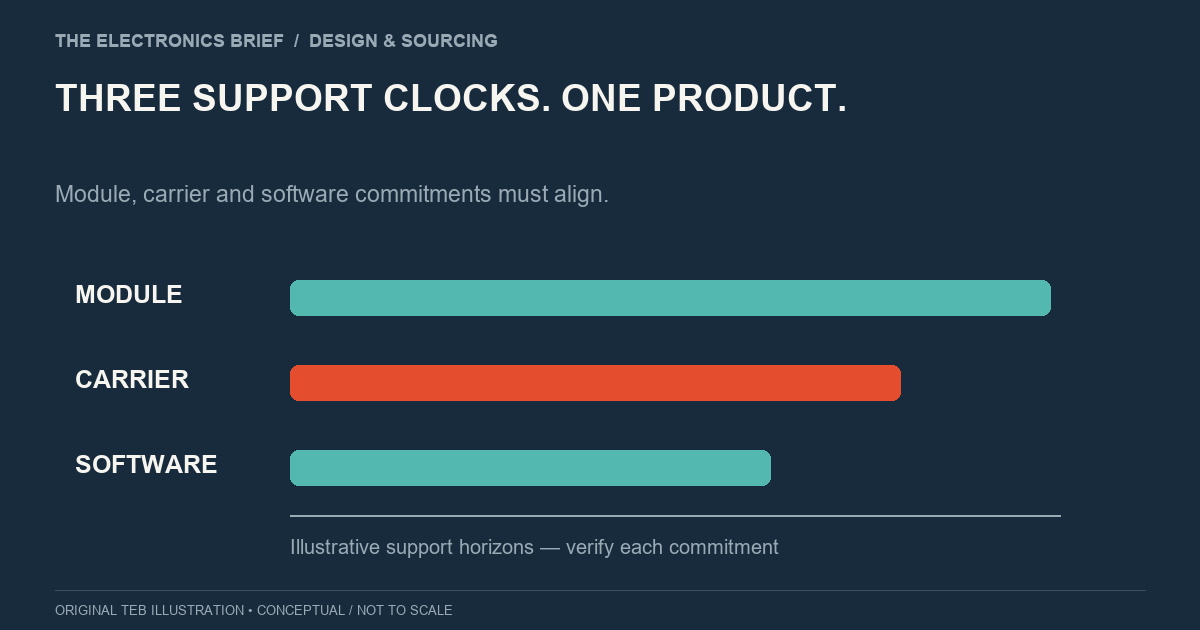
A quick route to working hardware can leave a longer support job. Check the module, carrier board and software commitments before choosing the production platform.
Infineon has agreed to sell its NOR Flash and F-RAM memory business to Winbond in a $1.12 billion all-cash deal, retaining its specialty memory portfolio.
UK electronics output rose in the latest official figures, while developments in wafer materials, connectors, legacy parts, embedded design and data-centre power offered a more complicated picture. Here is what changed during the week ending 11 September — and what design and purchasing teams can usefully check next.
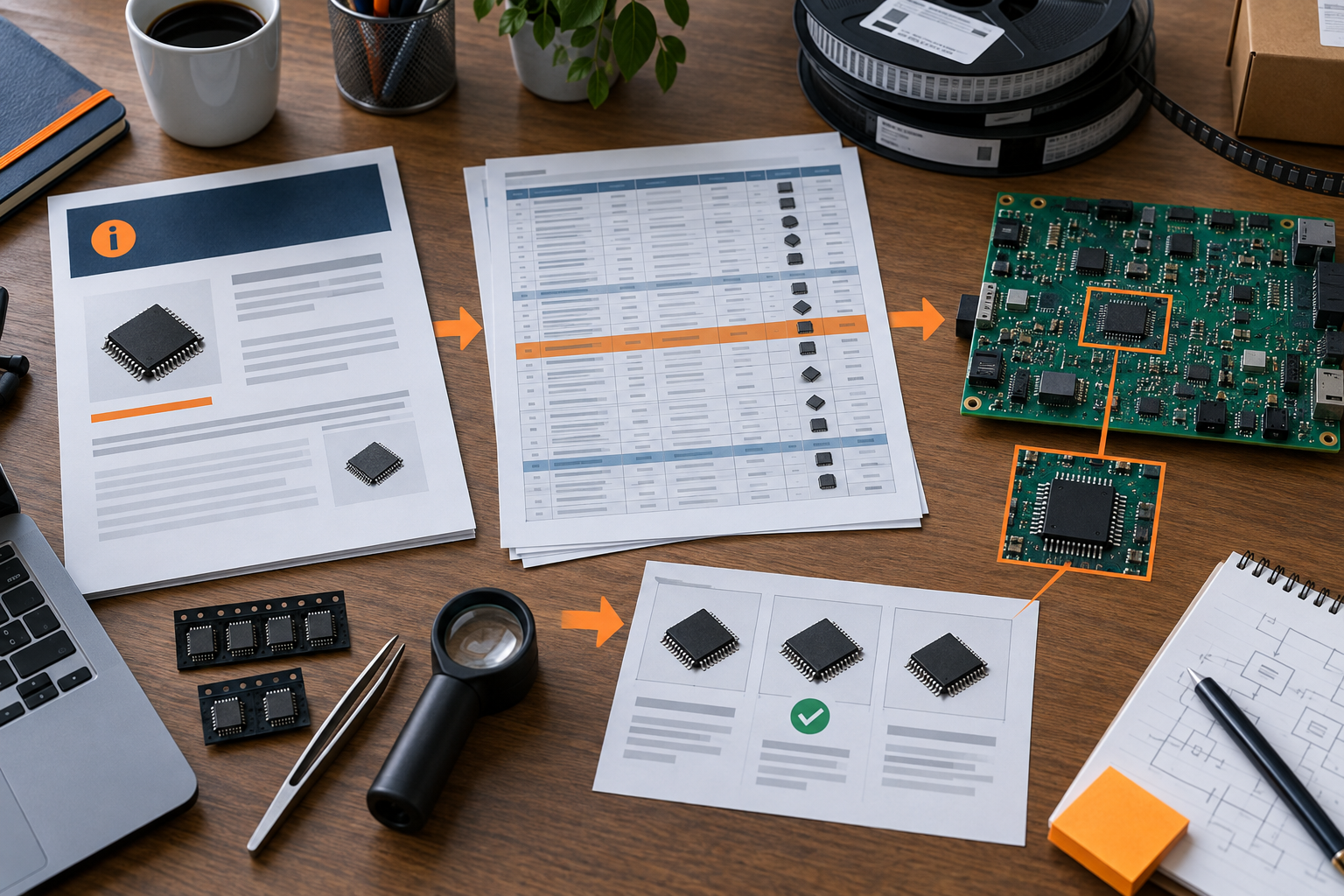
Matching headline specifications is only the start. A disciplined comparison covers construction, limits, behaviour, supply route and the evidence needed to approve the alternative.
A PCN should trigger a controlled impact assessment, not an email-forwarding exercise. This workflow gives engineering and purchasing one record of the dates, evidence, decisions and actions.