We look into why component lead times change, what it takes to replace a discontinued part and how new rules affect products already in development.
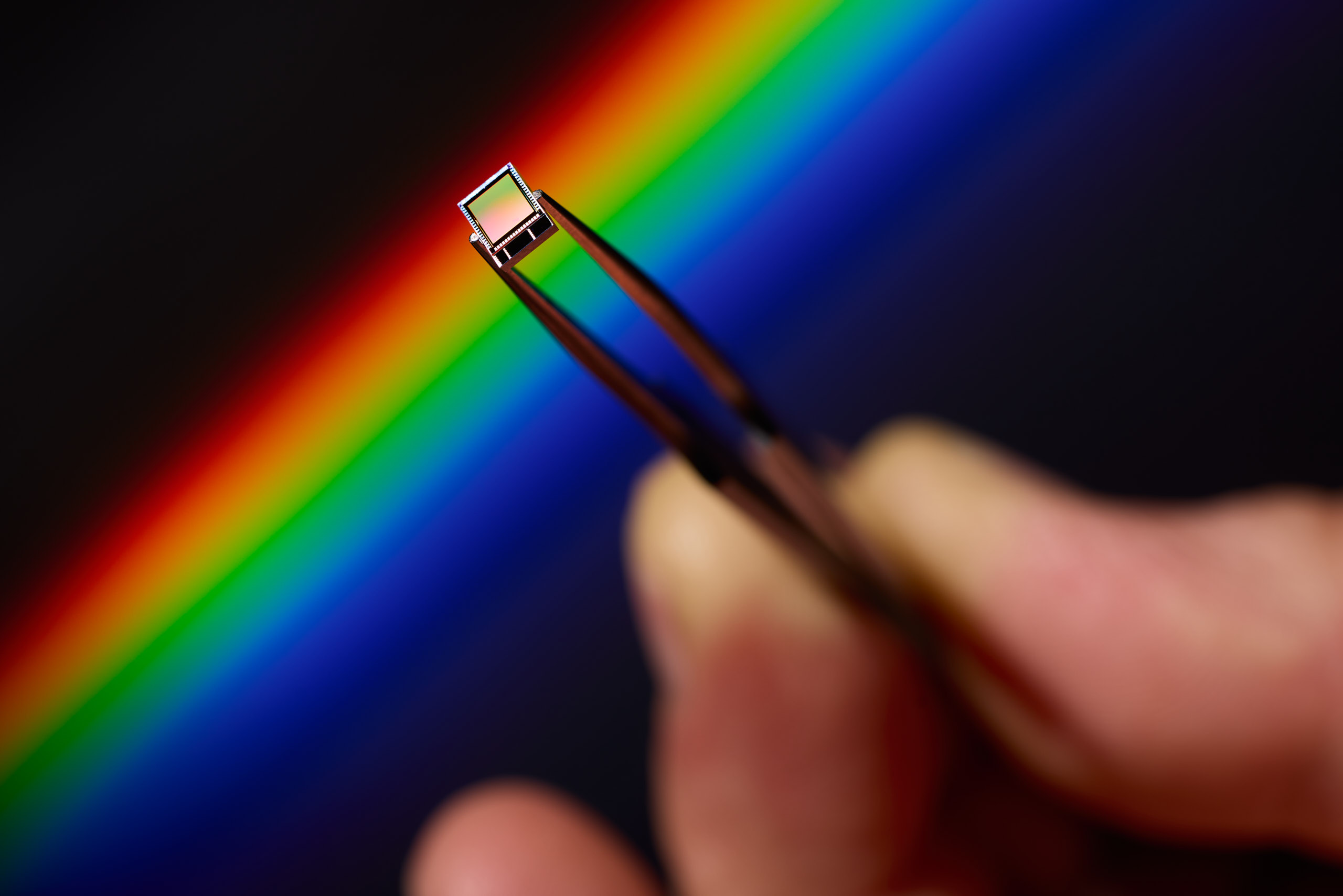
The optical engineering startup’s model held focus to within about 5 µm of its room-temperature setting from −40 to +85 °C. Its own tolerance run leaves a question about the corners of the image.
AND Technology Research helped fit a heel sensor, battery and adjustable haptics into a prototype that can flex inside a shoe.
OrCAD Xplore puts component models, lifecycle and stock data beside the schematic, with a DigiKey basket for ordering a bill of materials.
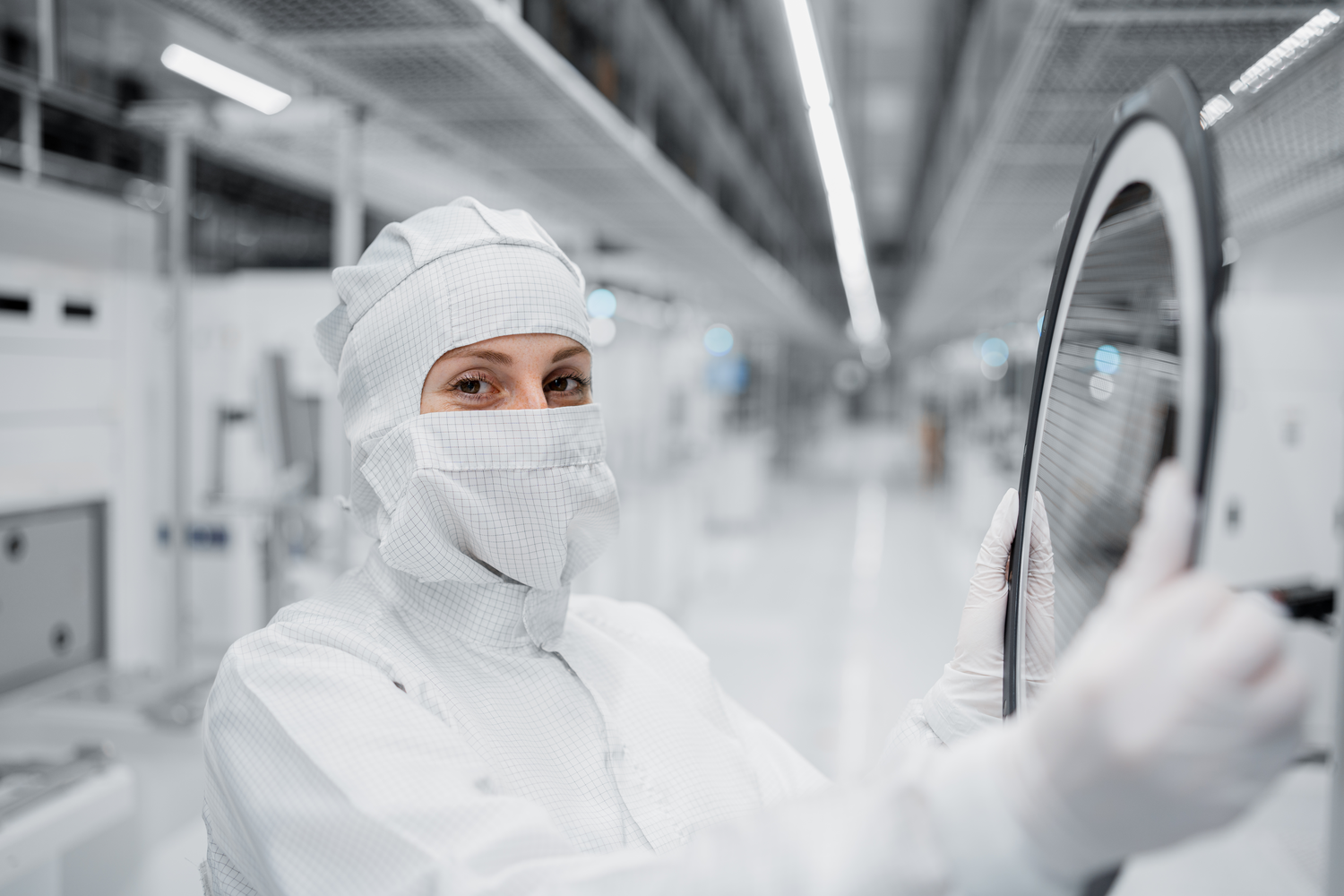
Infineon made working devices on a 300 mm silicon carbide wafer, imec set a date for its interposer design kit and a 22 kW onboard charger showed what happens when a new transistor changes the rest of the circuit.
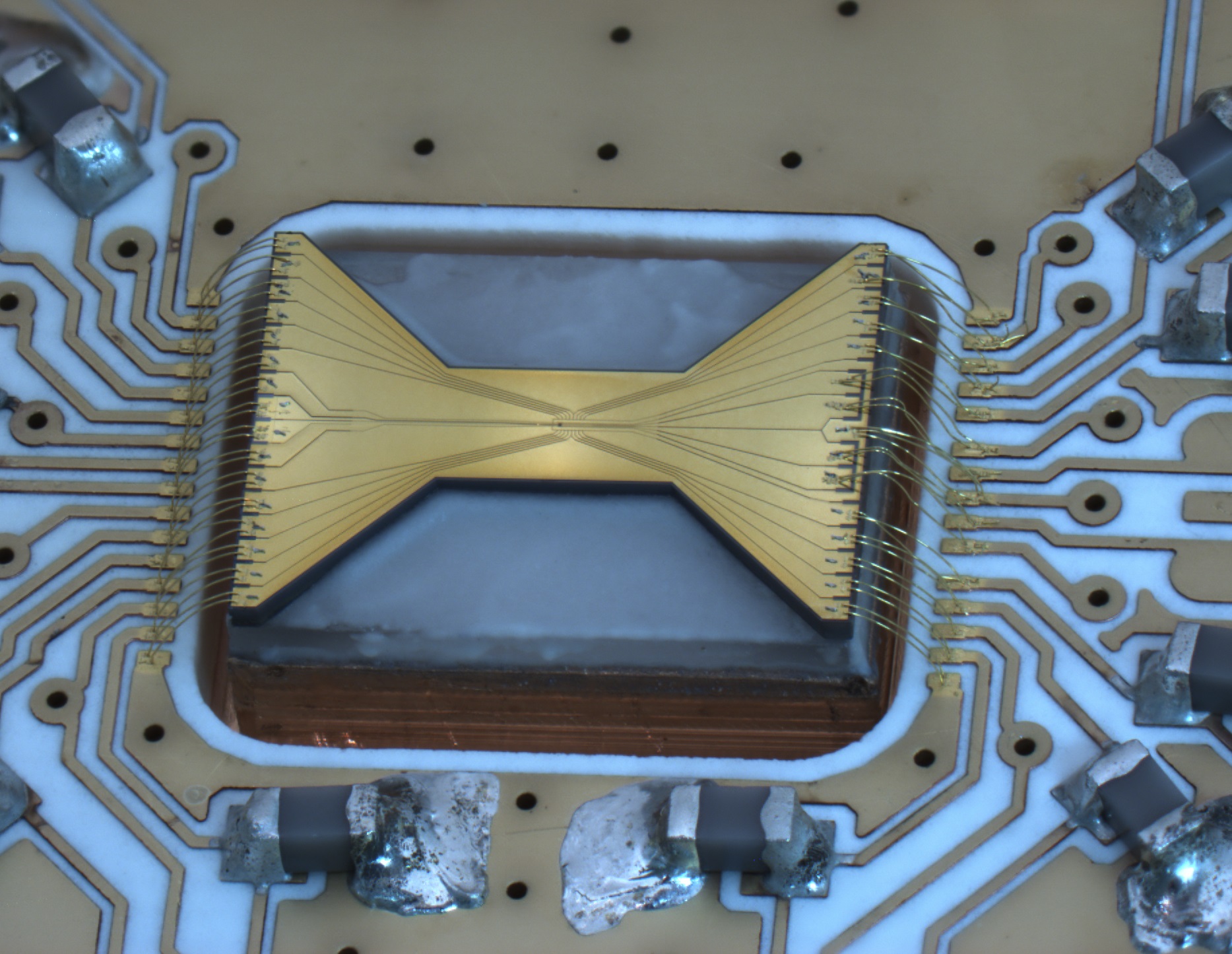
EV Group has worked on low-temperature metal bonding for ion-trap and photonic chiplets. Europe’s CHAMP-ION pilot line is developing a separate route from trap design to packaged, tested devices.
Siloton used a photonic chip to shrink the optics in a retinal scanner. A separate UCL project needs different lenses to focus on the front of children’s eyes and a casing that keeps out stray light.
Aeluma’s new reactor can handle 150 mm and 200 mm wafers. The extra area is useful only to the extent that it produces detectors and lasers that still meet their specifications after fabrication and packaging.
In a swept filter test, moving to the next frequency and getting a trustworthy reading are separate parts of the same job.
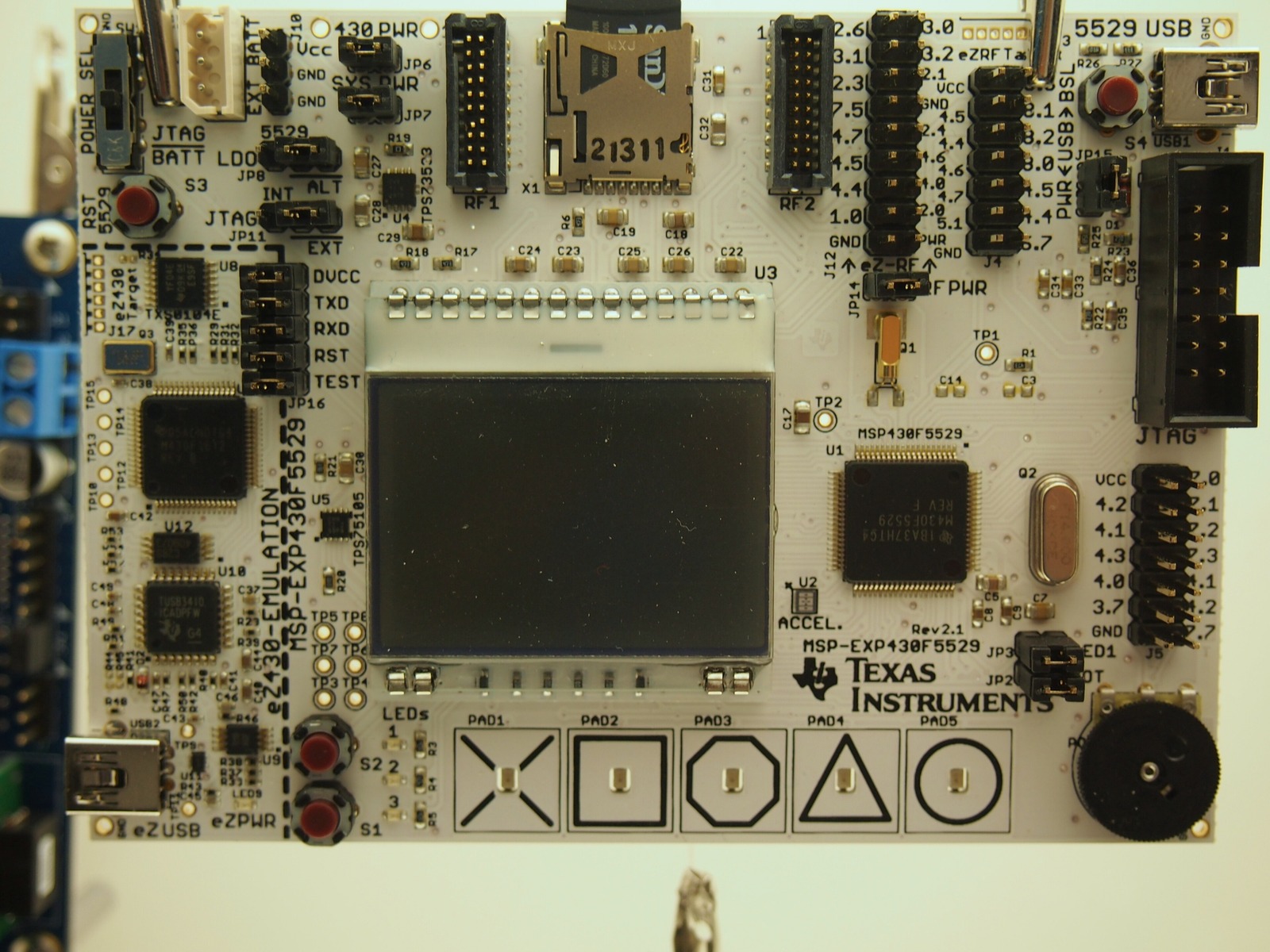
Texas Instruments has given AI tools access to peripheral configuration, builds and the debugger. On a migrated project, the first clean build is a chance to check what the new board actually does.
SMIC lifted monthly capacity by about 1.8% in the third quarter while shipments rose 5.7%. The foundry’s group figure gives no breakdown by process.
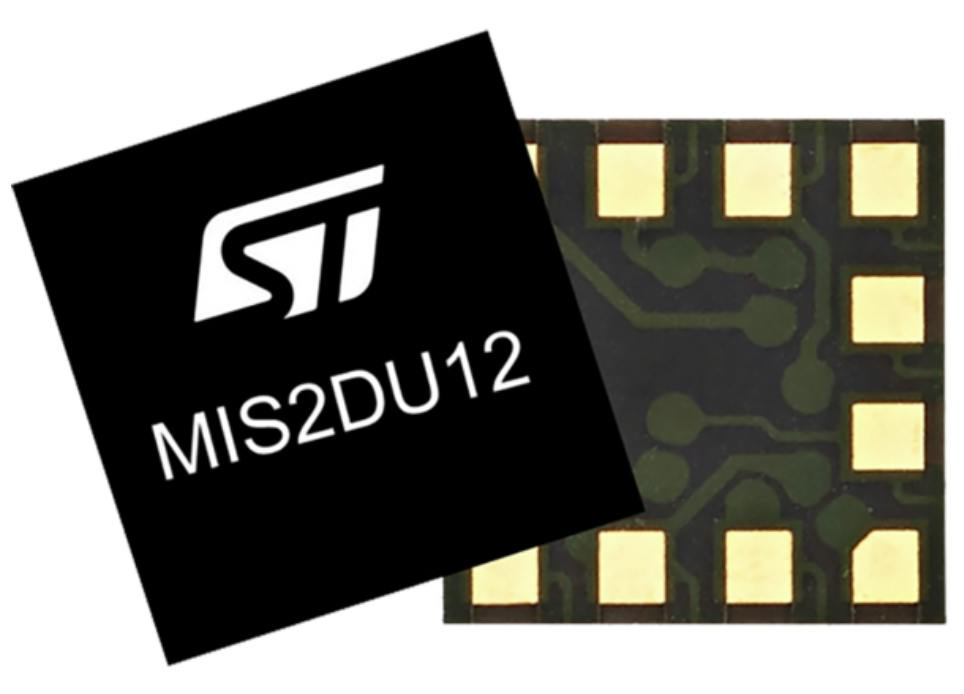
The accelerometer can wake the host for a motion event or hold a batch of readings until the processor needs them. ST’s lowest current figure applies at 1.6 Hz.
UCIe.mem uses the same physical interface as other UCIe chiplets. A more efficient protocol, a denser bump layout and a lower power link profile address three different limits on memory bandwidth.
Rockstar is using the PS5 Pro for sharper images and ray-traced shadows. The hardware that makes room for those features goes well beyond the GPU.
ST and WITTENSTEIN’s Stellar G3 demonstration puts software with different safety requirements on the same MCU. The more revealing test is how it behaves when those applications want the same resources.
The Edinburgh company’s Litavis sensor puts arrival-time processing on the chip without giving every image pixel a timestamp stream.
Mouser says it is shipping the range. The meter that takes the load current directly and the one that reads an external transformer call for different wiring and communications.
Applied Materials says its largest customers are planning two years ahead and placing orders sooner. That can get equipment built earlier; it takes more to turn those deliveries into qualified wafer output.
The MLX90636 measures surface temperature. Estimating core temperature from the wrist depends on the optics, the device and how the wearer responds to their surroundings.
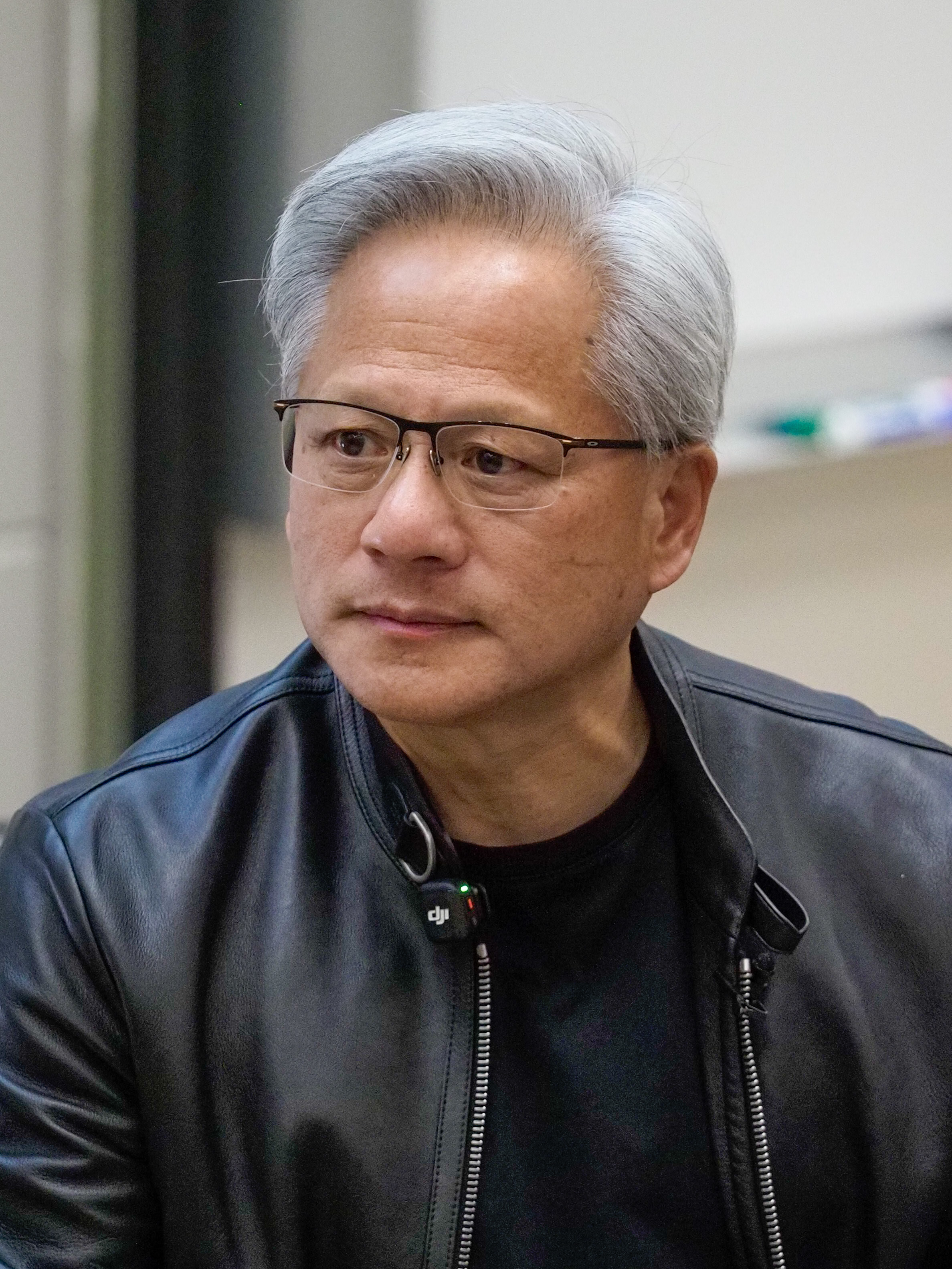
Infineon makes working devices on a 300 mm SiC wafer, onsemi drops its Czech expansion and Nvidia starts looking for Jensen Huang’s successor.
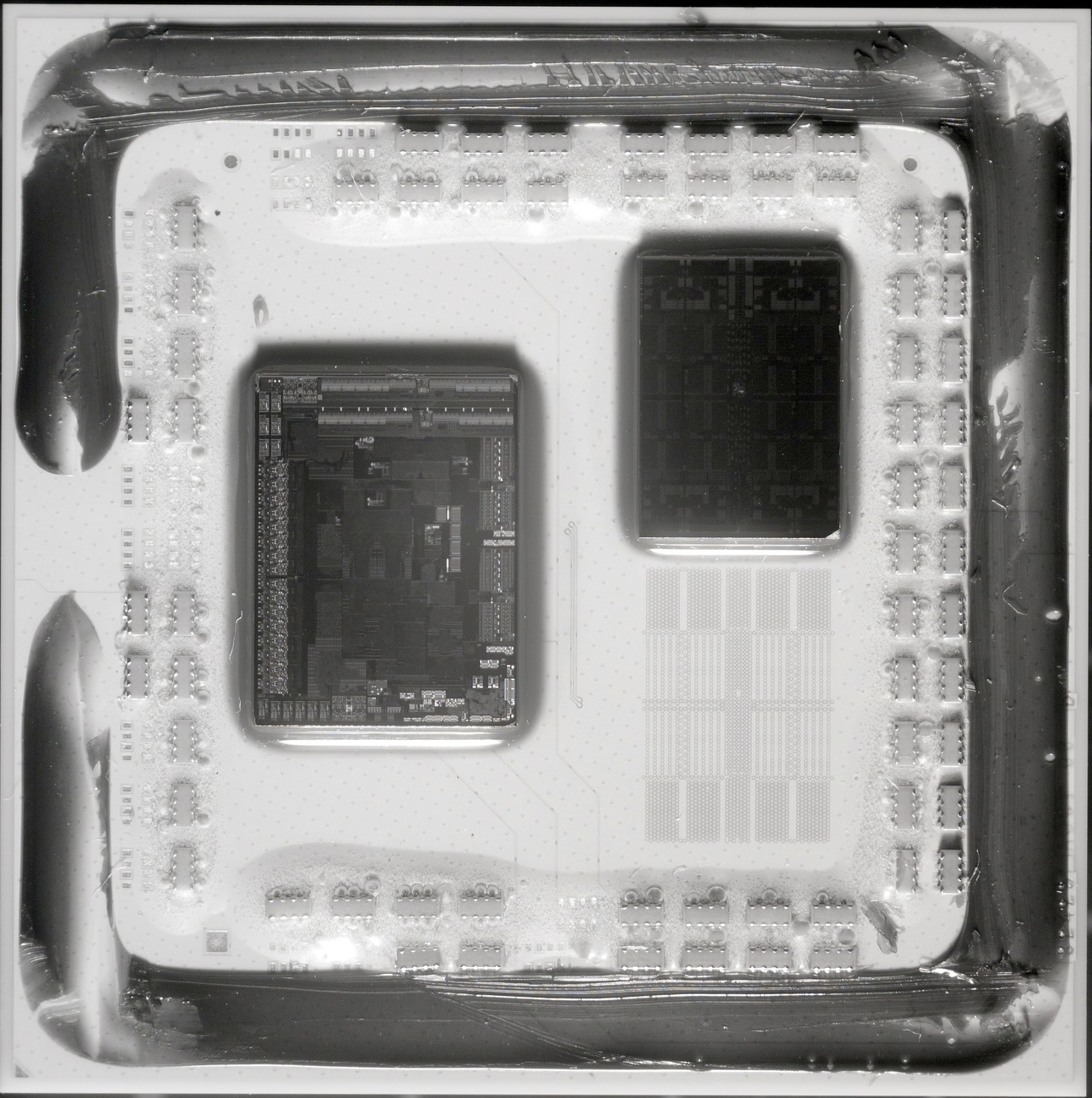
AMD’s EPYC Embedded 9006 SP7 can give parallel device tests more room to run. The first question is where the existing rack spends its time.
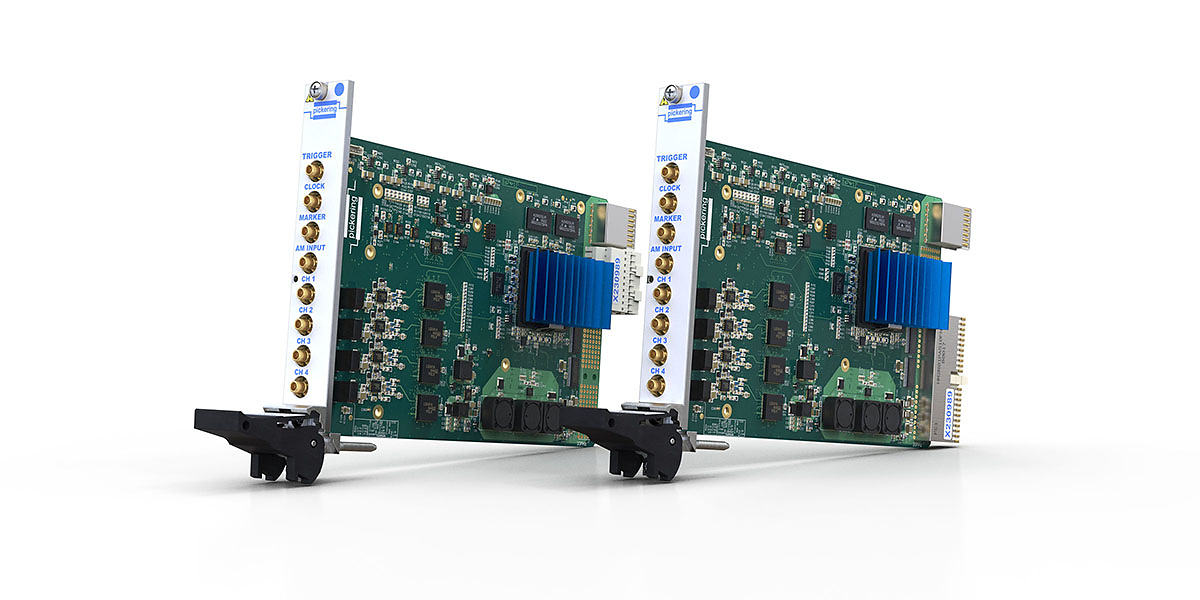
The Essex company fits four generators into one PXI or PXIe slot. Reproducing the timing between sensors still depends on what reaches the unit under test.
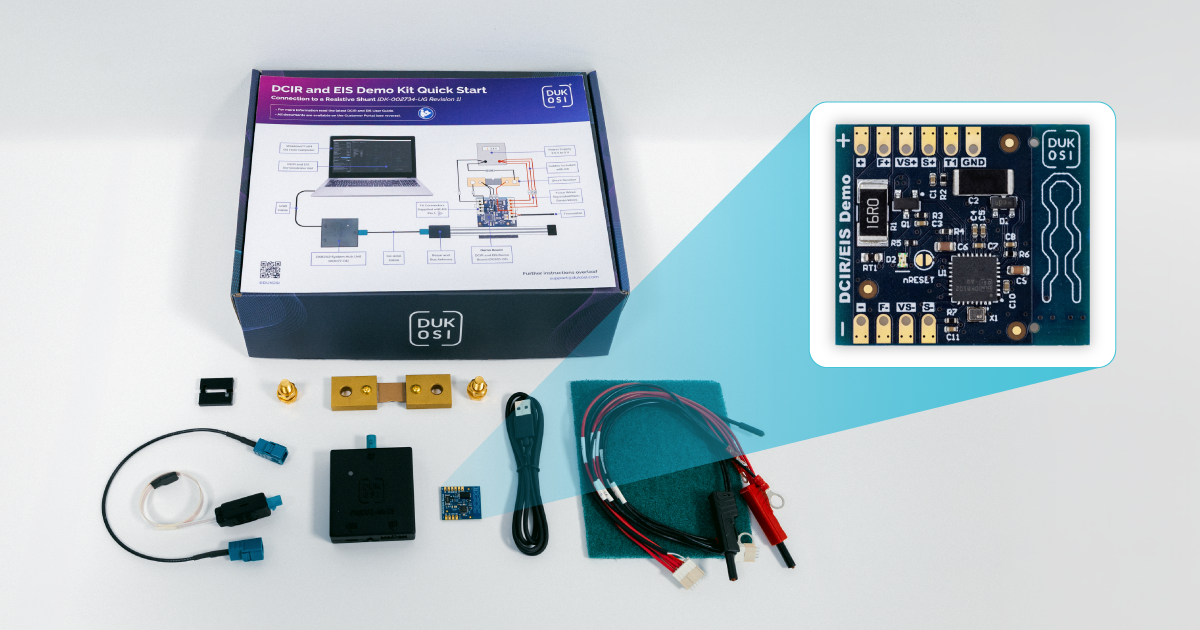
An Edinburgh evaluation kit moves the test signal and measurement onto each cell, where less of the pack wiring sits between the electronics and the result.
Colette Kress takes over as Nvidia rolls out a new generation of AI hardware. The first thing its customers will want to know is when their racks are coming.
Siemens is adding agents to run simulations and inspect the results. A DDR5 example shows where an automated check can help and where its authority ends.
Infineon expects nearly €4 billion in FY2027 data centre revenue and says supply will still set the pace, with Dresden and its manufacturing partners central to the ramp.