
How far can CCStudio take an MCU migration?
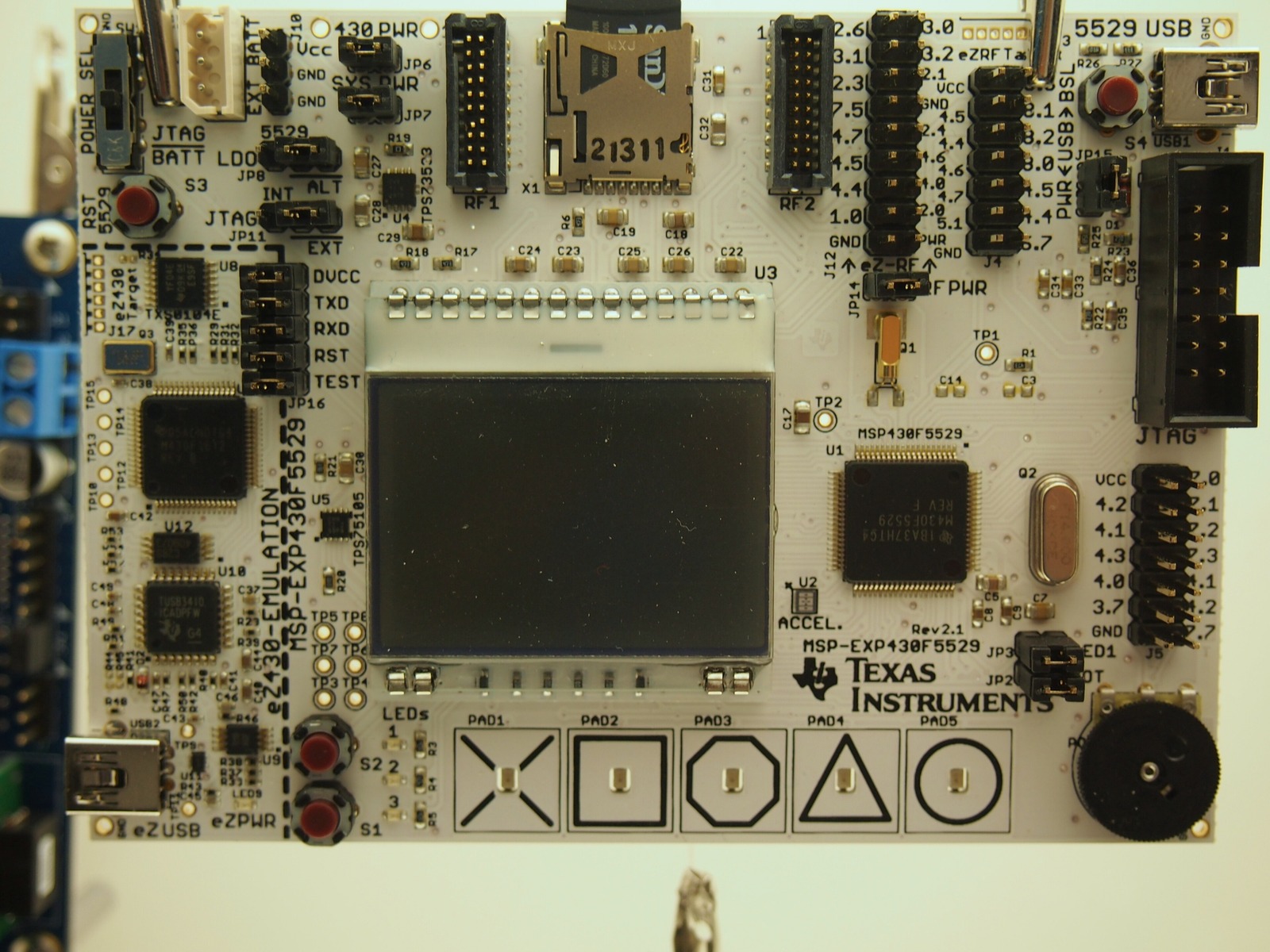
Image: Thomas Springer (Ordercrazy) · CC0 1.0
Texas Instruments has opened parts of CCStudio to AI tools that can configure peripherals, build firmware, flash a board and use its debugger. The migration workflow can inspect an existing project, translate its configuration and update calls to device-specific APIs for a move to a TI microcontroller. By getting as far as a running target, it can take some of the repetitive work out of a port and expose mistakes that code completion on its own would never reach.
Consider a controller where a timer triggers an ADC and DMA moves the readings into a buffer before the application sees them. That whole chain can work after a migration and still sample at the wrong instant. If the new timer routes its trigger differently, the application may get a buffer full of plausible numbers taken at the wrong point in a switching cycle. There may be nothing in the application code to flag the change, since the timing lives in the peripheral configuration.
A debugger can show the register values the new firmware actually wrote and whether it enabled the right interrupt or DMA channel. To see when the sample landed relative to a switching edge, a timer capture, trace or oscilloscope gives a different kind of evidence. Stopping the core at a breakpoint may even change the timing under investigation. The example is hypothetical, but it illustrates why access to the target is valuable even when the migration is still incomplete.
Keeping the port reproducible
TI says the workflow splits the job among agents that analyse the project, configure the target, change the code and resolve build errors. It can run through CCStudio or Visual Studio Code, with capabilities across general purpose and real-time MCUs, wireless connectivity devices and radar SoCs. TI says some migrations can shrink from months to days. Its announcement does not set out a group of comparable projects or separate time saved on porting from time spent checking the resulting hardware.
The lasting value of a generated configuration is that a colleague can see what changed. Clock settings, pin assignments and peripheral options are easier to check if they travel with the application code and the project can be rebuilt from a clean checkout with known SDK and toolchain versions.
Some of those differences call for an engineering decision. If the old DMA trigger has no direct equivalent, the transfer may need to be scheduled differently. If a peripheral clock stops in the new device’s low power mode, code that worked on the bench may still miss an event when the board sleeps. Those are the cases where comparing measurements from the two boards tells you how much of the original behaviour the migration has preserved.
Sources: Texas Instruments announcement; CCStudio development ecosystem.


