We look into why component lead times change, what it takes to replace a discontinued part and how new rules affect products already in development.
The optical engineering startup’s model held focus to within about 5 µm of its room-temperature setting from −40 to +85 °C. Its own tolerance run leaves a question about the corners of the image.
Selected applicants will be able to run their own code and data on Q.ANT’s second-generation processor through dedicated servers in Germany.
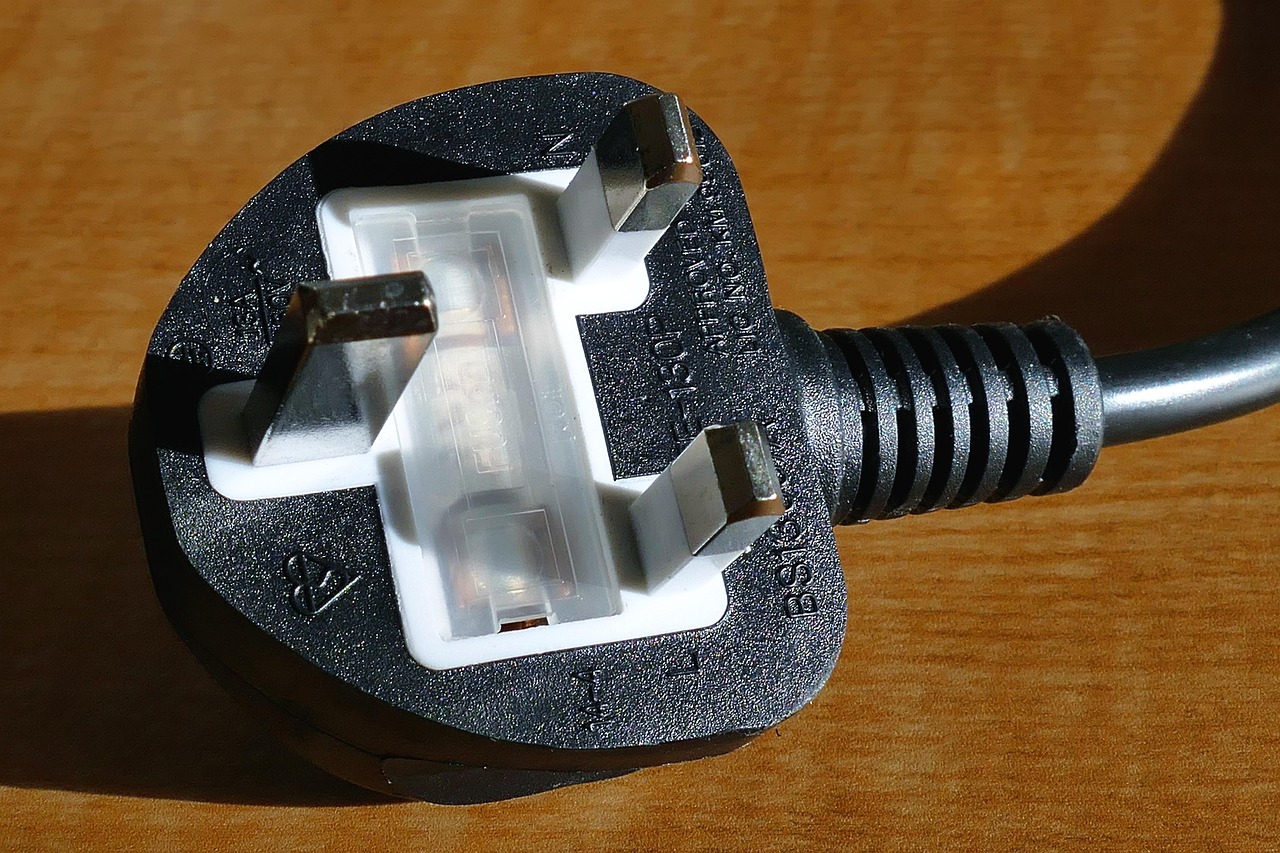
The UK product safety notice gives a conductor area of 0.454 mm² for a mains lead that required at least 0.75 mm².
SOLUM showed a converter in the 26 kW class as it extended its work with Infineon. It is aiming for peak efficiency above 98.5% and mass production in 2027.
Researchers have built a thin-film error amplifier and used it in a regulator prototype, exploring how analogue control can move closer to display circuitry.
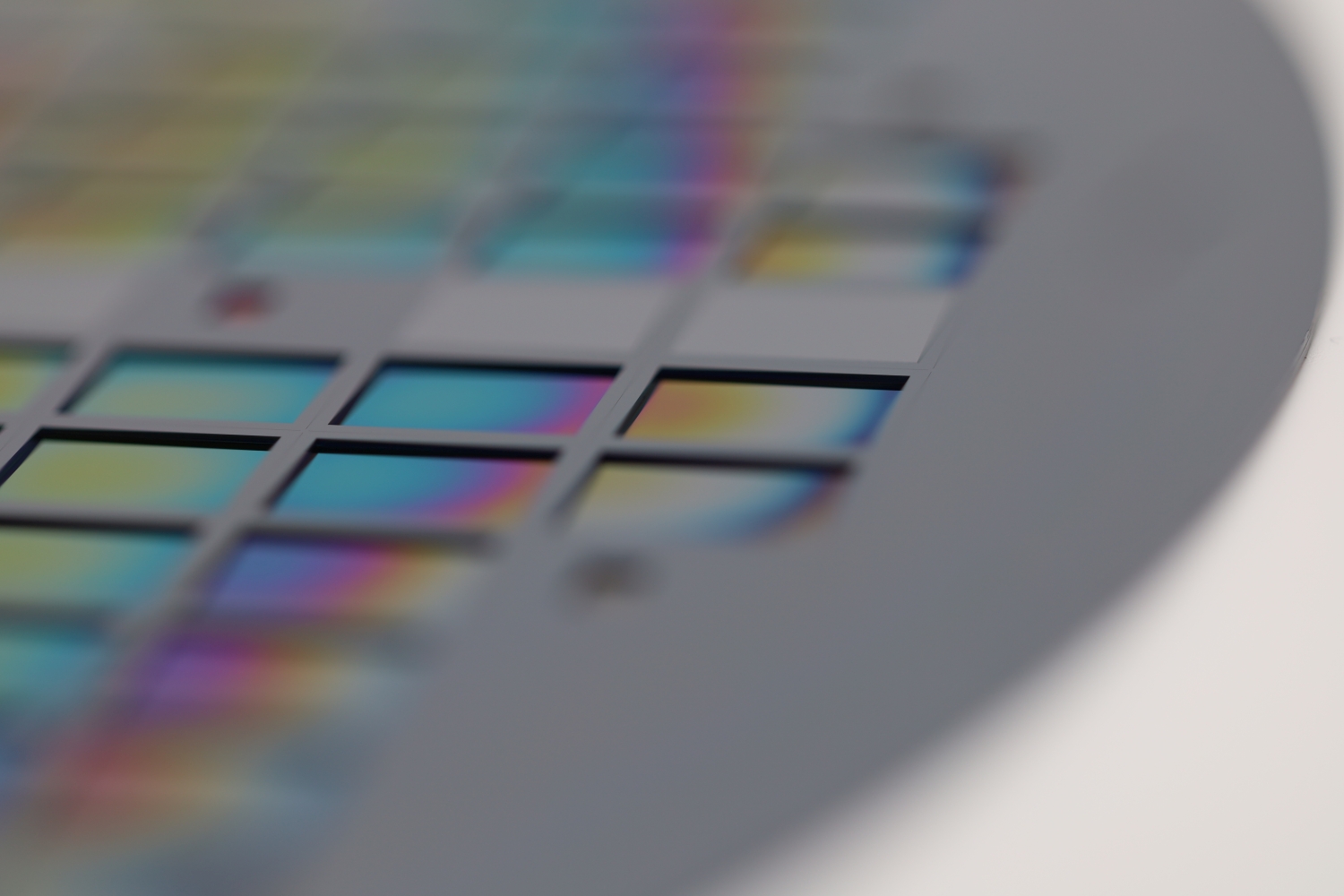
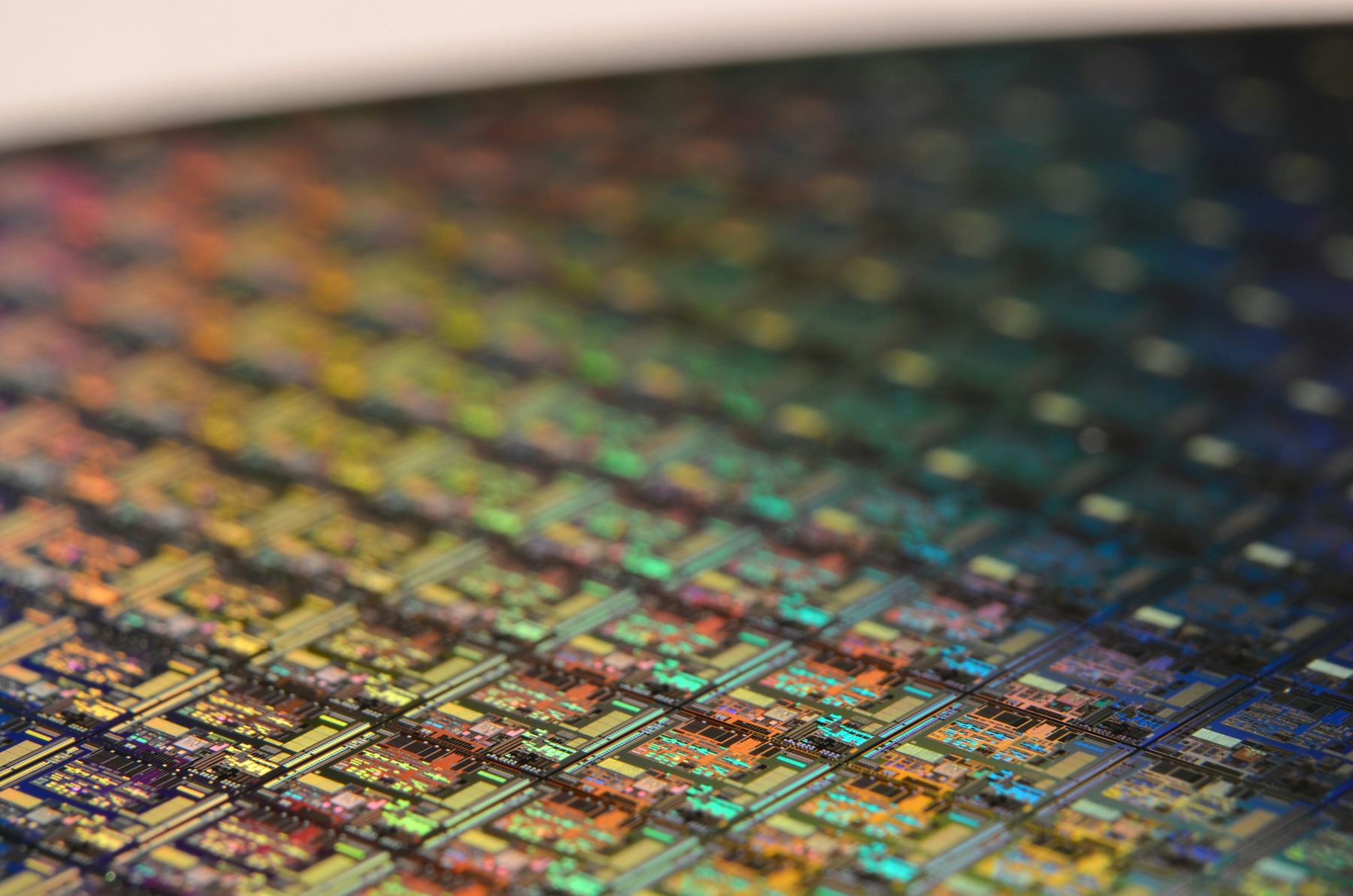
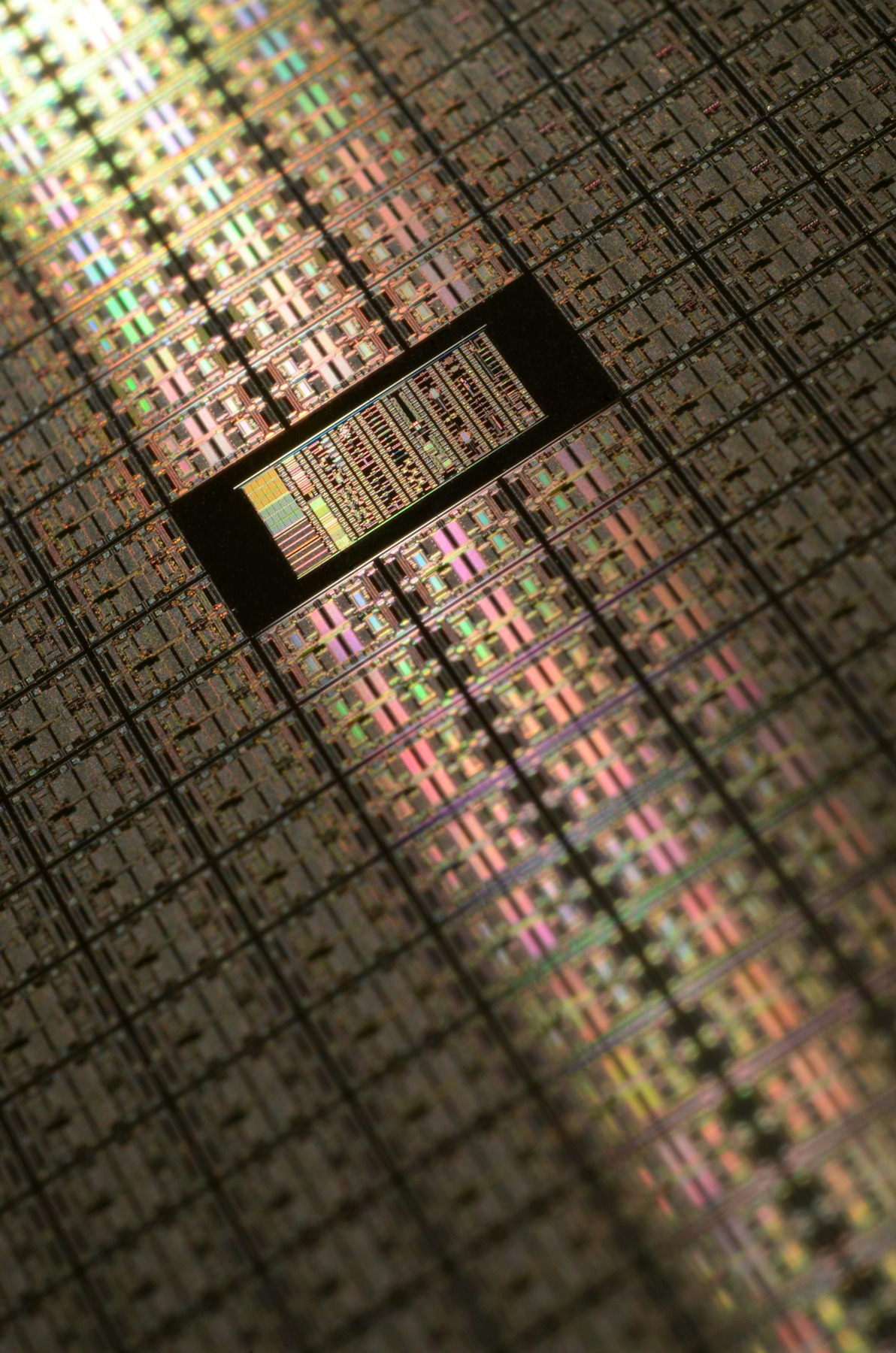
Doubling the diameter gives four times the nominal area. How much of that gain reaches fabrication will depend on the finished dimensions and the distribution of defects.
New developer sample timings show how AMD’s Full and Lite models fit into the graphics workload on Xbox Series X and Series S, with a measurable cost attached to reconstructing the picture.
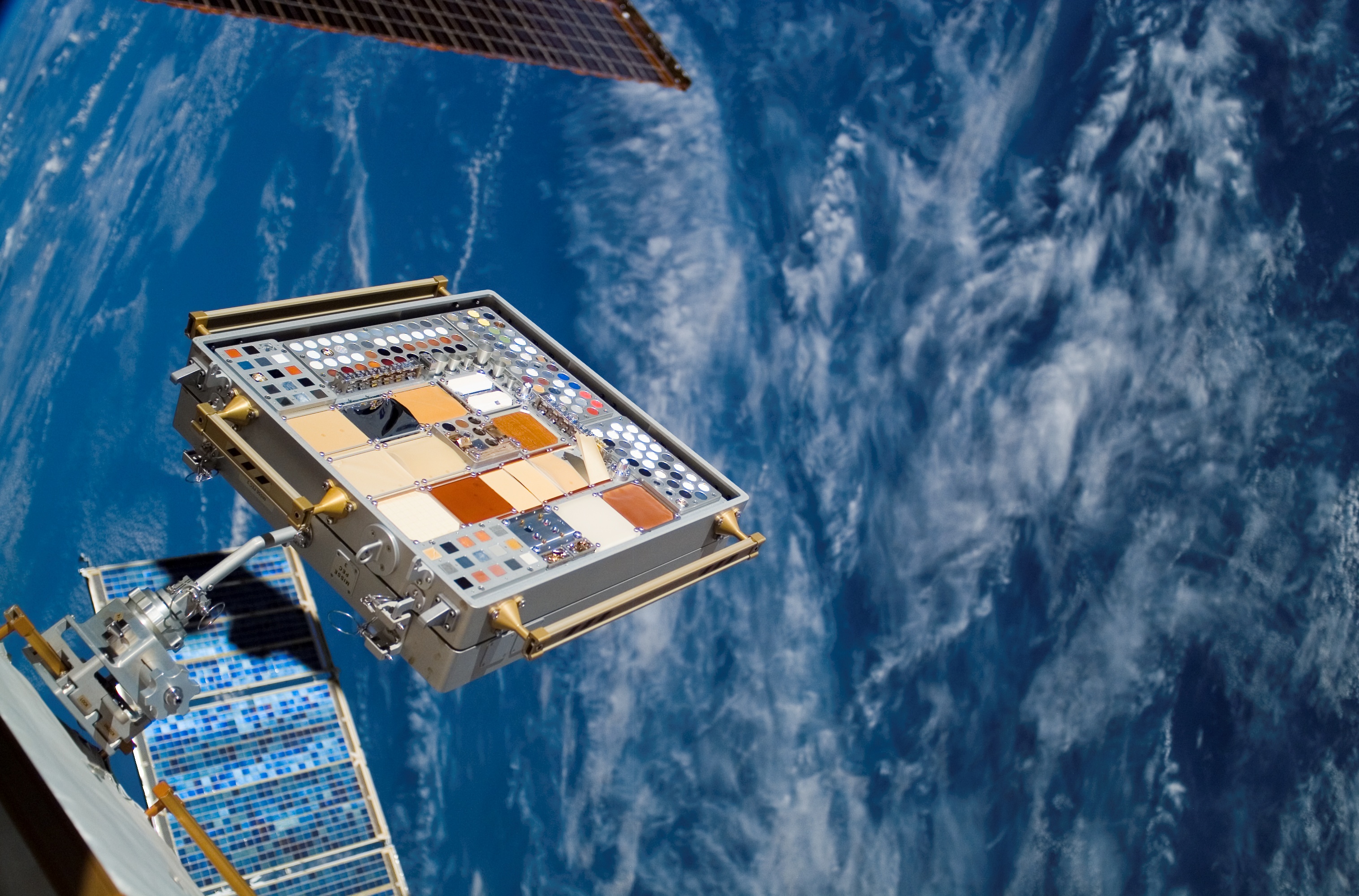
Radiation exposure, camera behaviour and backup processing all feature in a new account of component verification for a CubeSat payload studying dry adhesives.
Marvell’s proposed $115 billion Lumentum deal leads a week of acquisitions and investment, as the industry prepares for Munich with Washington providing an unwelcome addition to the agenda.
Separate fabrication keeps each chiplet’s strengths, while a shared wiring stack aims to bring the resulting assembly closer to a single chip.
Planned passive circuits and amplifier demonstrators will help establish wafer requirements through processing, device and packaging measurements.
The first device uses Tower’s 200 mm PH18M process, while several later designs have taped out on its 300 mm silicon photonics platform.
Working HBC silicon supports Qualcomm’s near memory approach, while the AI250 bandwidth estimate includes computation that avoids external data transfers.
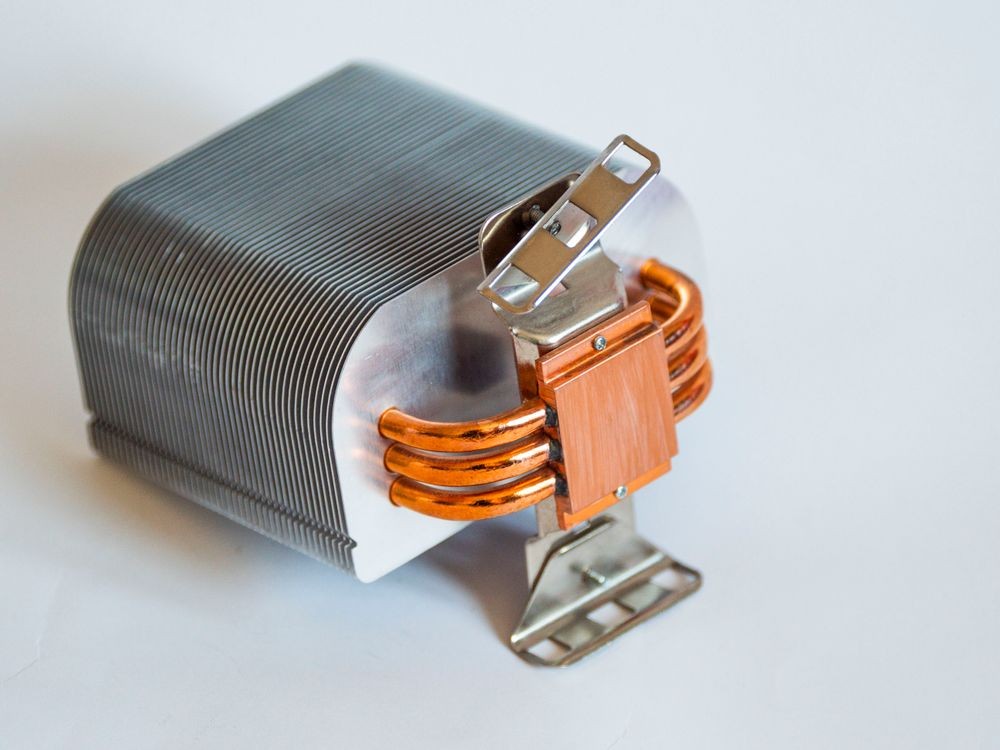
The development partnership covers engineered surfaces and bonded diamond structures, where interface resistance and reliability affect the heat path through the package.
TSMC’s reported supplier enquiry brings motor construction, positioning performance and drive requirements into the equipment sourcing discussion.
Measuring the optical interfaces and writing a matching path into glass could change the assembly process. Demcon is developing equipment around that approach.
A 128 × 128 research chip extracts temporal occupancy inside its pixels, using information normally lost when a camera integrates light into a frame.
VectorFLASH compresses both model weights and the growing key-value cache. The second store becomes increasingly difficult to ignore as the context gets longer.
The R-Car V4H platform brings image processing, inference and operator warnings into one computer. The system’s response time depends on the whole route from camera exposure to the display.
A capacitive input and two conversion paths let a research ADC combine high input impedance with a 20 kHz signal bandwidth. Its power figure is useful, but the surrounding signal chain still determines what a sensor can deliver.
Tohoku University and AISIN have put non-volatile memory beside an AI accelerator, removing external data transfers from a small object-detection system. Its boot result is impressive, although the memory capacity still sets the terms of the design.
Prefabricated systems may compress installation and commissioning, while site power, cooling, fibre and permitting still sit outside the headline timetable.
Findchips brings stock and pricing into one search, while the quotation, traceability records and technical checks establish what can actually be ordered and used.
A controllable heater can put a cold plate, interface material and coolant loop under a repeatable load, but only when its power map and package stack represent the device it stands in for.
TDK’s robot demonstration brings position, motion, temperature and interference control into one component stack, showing how each measurement depends on the rest of the actuator system.