What a component-search result proves, and what still needs checking
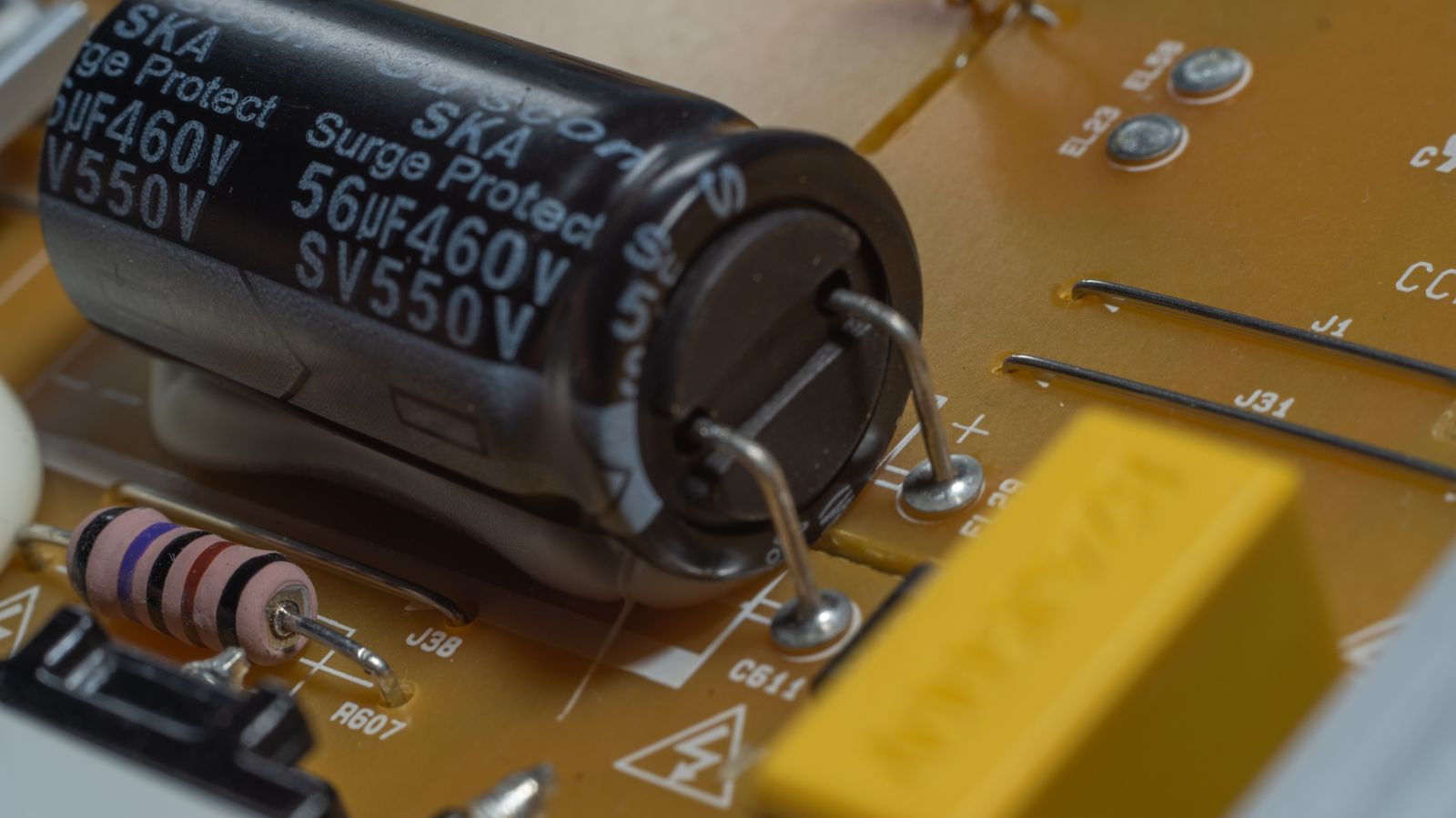
Illustrative image: Unsplash contributor on Pexels
Findchips can turn a manufacturer part number into a list of stock and prices in seconds, saving a succession of distributor searches. The harder work starts when an attractive result has to become a production order, because the quantity on the screen says little about allocation, traceability or the conditions attached to the offer.
The service brings together distributor and manufacturer listings, with full and partial part-number searches, filters, alerts, parametric comparisons and related parts. A tariff estimator adds another useful planning input, although the displayed results remain information reported by the supply chain at the time the index was updated.
That makes the tool a sensible starting point, provided the listing is followed through to the seller’s actual quotation. Packaging, minimum quantities and dispatch conditions can change the comparison, while the seller’s relationship with the manufacturer determines which warranty and provenance evidence accompany the shipment.
Start with the complete manufacturer part number
A shortened device name is often enough to find a family, but it is a poor purchase specification. The suffix may select a different package, temperature grade, qualification level or packing format, so the complete orderable number needs to survive the journey from the approved BOM to the quotation and purchase order.
Search engines may normalise punctuation or group related codes to make discovery easier. That convenience should not obscure a difference in the manufacturer’s orderable identifier and a close parametric result still needs its current datasheet, package drawing and qualification documents checked before it is treated as the same part.
Identify the route to the manufacturer
An authorised distributor buys through an agreement with the manufacturer and normally supplies the traceability, handling and warranty associated with that channel. Texas Instruments advises customers to buy from TI or a TI-authorised distributor because products obtained elsewhere may be counterfeit or unreliable and are not covered by its warranty or support.
Authorised status should be verified on the manufacturer’s own distributor list, particularly when the seller name or regional entity is unfamiliar. An independent distributor may hold perfectly usable genuine stock, but the evidence and risk model are different. The order may need photos, lot and date codes, original labels, chain-of-custody documents and an agreed inspection or test plan.
A marketplace listing adds another layer because the platform and the stock owner may be different organisations. The seller behind the offer, its location and its return terms should be visible before the price is compared with an authorised line.
Read stock and lead time as dated claims
A displayed stock figure deserves a timestamp and a written confirmation. Depending on the feed, it may describe available inventory, an incoming factory order or stock subject to another customer’s allocation. For a large or critical buy, the useful answer includes the physical location, packaging and confirmed dispatch quantity as well as the number displayed.
Lead time needs the same scrutiny, because a manufacturer’s standard cycle is different from a distributor’s expected receipt or an acknowledged factory delivery. Recording which one was quoted prevents an estimate from quietly becoming a commitment in the production plan.
The lowest unit price may also be the more expensive order once reel quantity, freight, duty, tariff, currency and payment terms are included. NCNR conditions make that comparison more consequential, particularly if the design or demand forecast is still changing. An estimator can support the early calculation, but import classification and treatment need confirmation for the shipment’s actual origin and destination.
Traceability continues after the order
DigiKey describes retaining order, manufacturer part number, date-code and lot information for cut-tape orders, while TTI states that it buys directly from the manufacturer and maintains the chain of custody. The exact documents supplied vary by manufacturer and order, so a certificate of conformance, date-code requirement or lot restriction should appear in the purchase terms when it is needed.
Moisture-sensitive devices also require correct packaging, humidity indication and floor-life handling. Older stock may be acceptable after review, but a sealed bag and label do not by themselves establish solderability or internal condition after years of storage. The acceptance plan should reflect the component technology and the consequence of a latent failure.
Alternatives need engineering qualification
The alternatives list is where a sourcing search can become an engineering change. A pin-compatible regulator may still need different capacitance or compensation, while protection thresholds, startup behaviour or firmware interaction can vary enough to affect the circuit. A cross-reference gives a candidate to investigate, without supplying the test evidence needed to release it.
A useful comparison records those differences against the circuit’s actual operating conditions, then checks package and land pattern, thermal path, EMC, qualification, errata and lifecycle. Samples and a defined test plan can establish whether the substitute works in the assembly, including the conditions under which the original part was marginal.
A practical record for the sourcing file
For each shortlisted offer, record the searched manufacturer part number, supplier and seller, authorised status, displayed quantity and timestamp, stock location, packaging, lot or date-code information, unit price and currency, price-break quantity, freight and import assumptions, quoted lead time and its basis, return or NCNR terms and the documents promised with shipment.
Keep that evidence with the order acknowledgement and qualification record, so a later shortage or quality query can be traced back to what was actually offered and accepted. A saved search result may explain why the supplier was contacted, while those records establish what was bought.
Sources
- Findchips search and comparison features
- Texas Instruments anti-counterfeit guidance
- DigiKey quality and traceability
- TTI quality and authorised supply
- SAE AS6496A authorised-distribution counterfeit mitigation standard
Photo: Ivan Chumak / Pexels. Illustrative image. https://www.pexels.com/photo/close-up-view-of-electronic-circuit-board-components-40068134/ | https://www.pexels.com/license/