ACTIA brings four-camera perception to its industrial vehicle computer
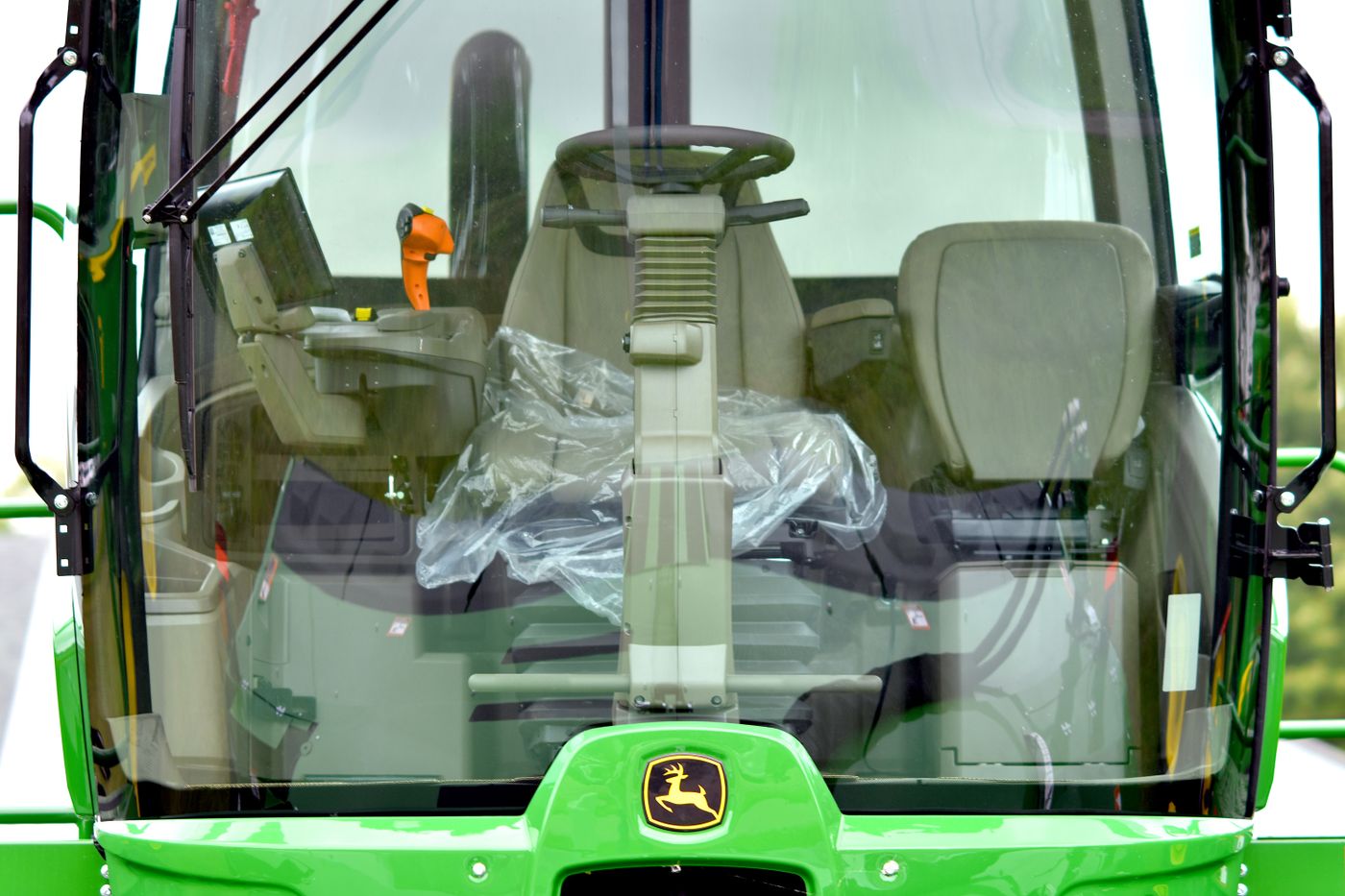
Illustrative image: Charles Criscuolo on Pexels
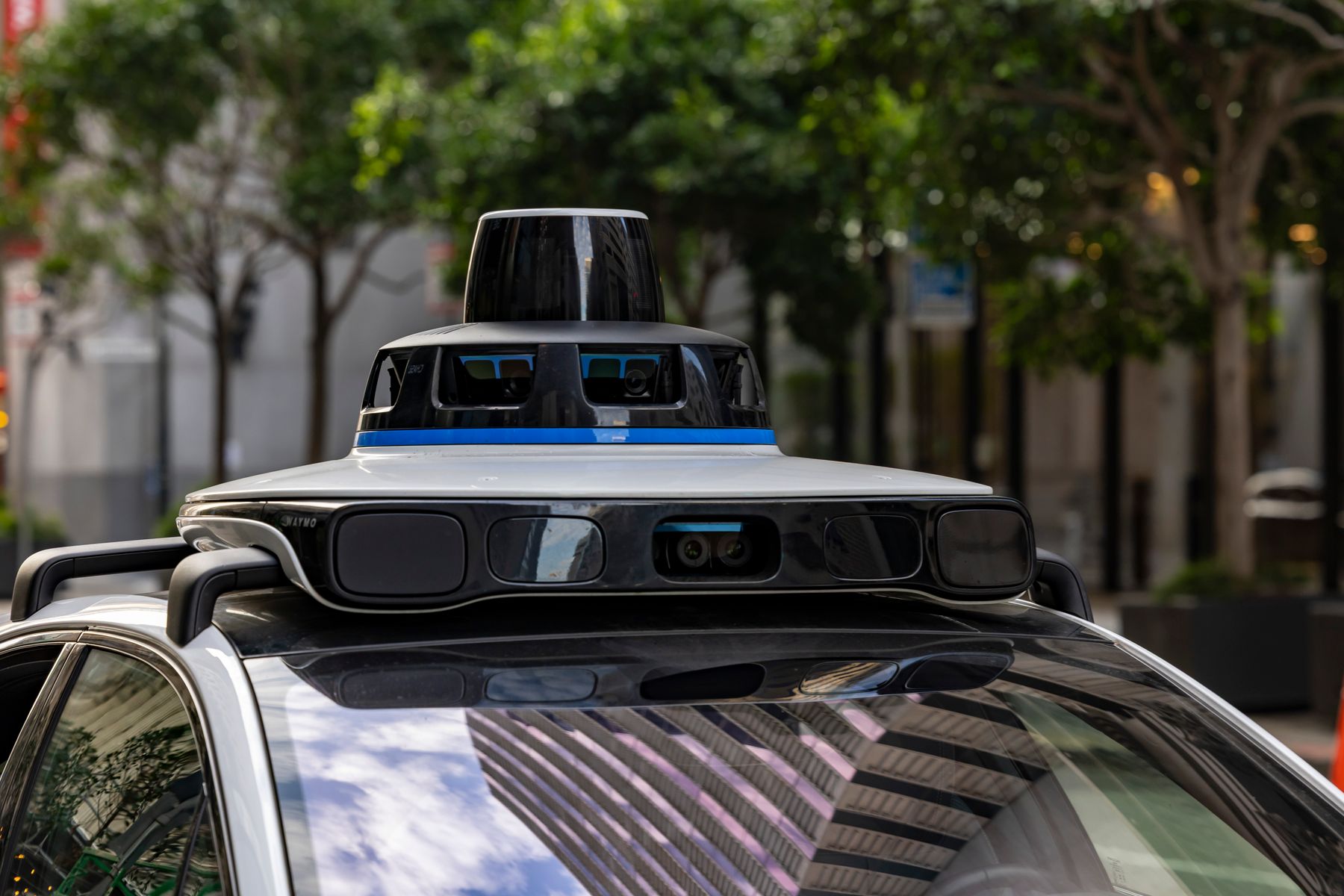
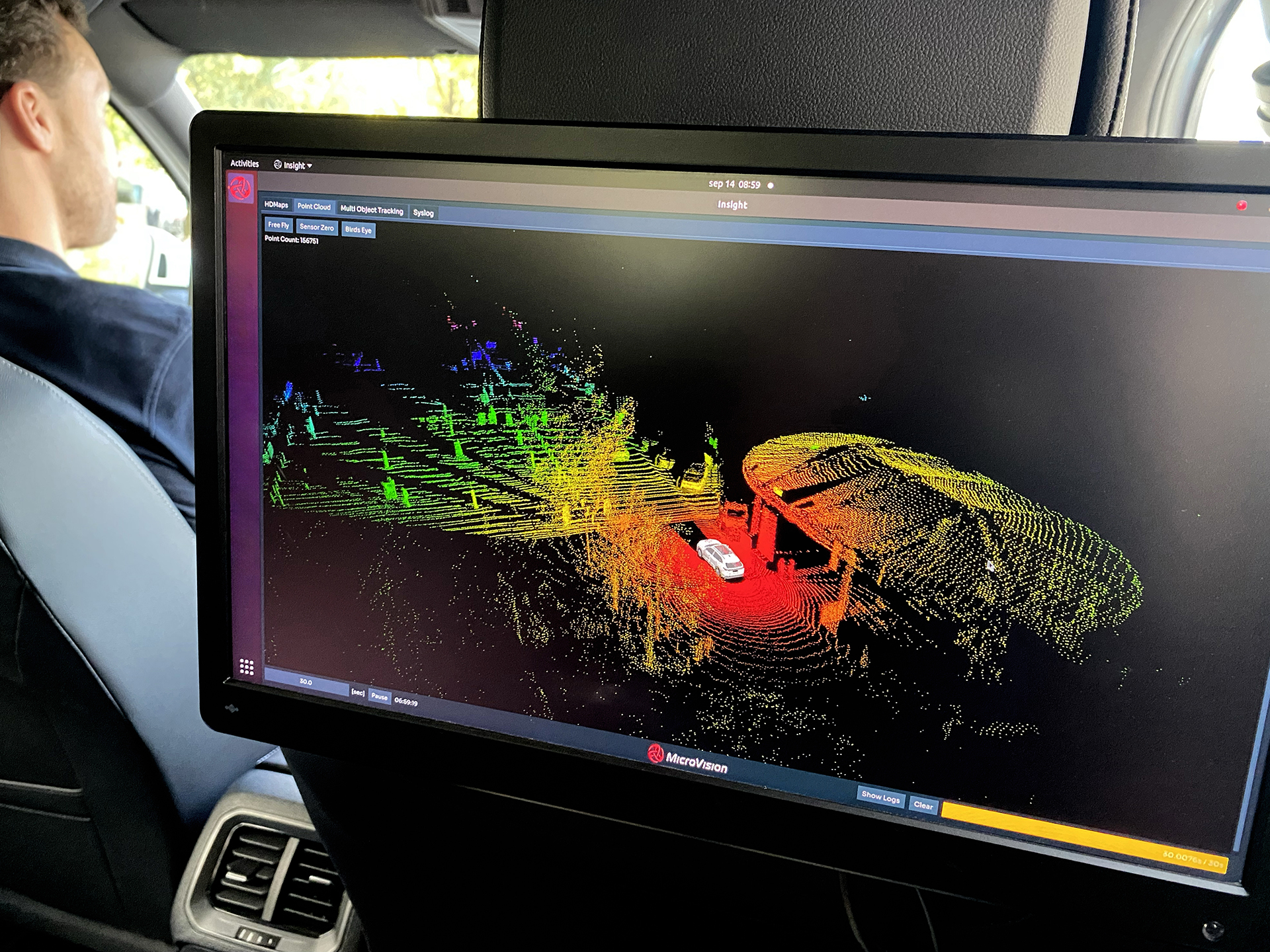
ACTIA plans to demonstrate a four-camera operator-warning system at electronica, using its Renesas R-Car V4H-based high-performance computer to process the views around an industrial vehicle. The system detects and tracks people, machinery and other objects, then displays a visual warning through ACTIVISION when a person enters a potentially hazardous zone. [1]
This is a new perception demonstration on an existing platform. ACTIA had already presented the computer at BAUMA in 2025, where it described field work under the PROTECH project on camera calibration and perception for specialist vehicles. The November announcement takes that work into a more specific operator-protection scenario, ahead of electronica on 10–13 November. [3]
The computer is passively cooled and supports up to eight cameras, four displays and Ethernet, USB and CAN connections. Four cameras are used in the planned demonstration, so the platform’s maximum interface count should not be read as a measured eight-camera perception result. [1]
From pixels to a warning
The R-Car V4H has hardware for several stages of that pipeline. Renesas specifies an image signal processor with parallel paths for machine and human vision, an image renderer capable of fisheye distortion correction and dedicated deep-learning and computer-vision blocks rated at up to 34 TOPS. Four Cortex-A76 cores provide general processing, while three lockstep Cortex-R52 cores support real-time functions. [2]
Those blocks do different jobs. Correcting a wide-angle view changes the geometry presented to later processing, while detecting a person produces an object hypothesis that must be related to the vehicle. A warning also needs a decision about where the person is, how that position is changing and whether it lies inside the relevant zone. Completing inference quickly cannot compensate for using an old image.
Consider a vehicle moving at 5 km/h. In 100 ms it travels about 14 cm, calculated from speed multiplied by time. That example is not an ACTIA measurement, but it gives scale to delays accumulated during exposure, buffering, image processing and display refresh. A quoted accelerator throughput does not reveal how much of that interval a complete installation uses.
Sharing a computer with the cluster and infotainment also brings resource scheduling into the timing question. A warning path has a deadline even when another function is using memory bandwidth or updating a display. The announcement does not publish end-to-end latency, detection performance or behaviour under that combined load.
The safety claim has to reach beyond the processor
Renesas lists hardware fault-detection mechanisms and ASIL B/D metrics across much of the SoC processing chain. Those capabilities can support a safety design, but they do not establish certification of ACTIA’s complete camera, software and warning system. [2]
A person can be missed because of an obscured lens or an unsuitable detection model while the processor remains electrically healthy. That failure calls for different evidence from a random hardware fault. Likewise, sending information to the vehicle electronics does not establish that the demonstrated system automatically brakes the machine, which ACTIA has not claimed in this announcement.
ACTIA describes encouraging field results, but supplies no numerical detection benchmark or full-system safety assessment. The planned display will therefore be an opportunity to see the processing chain working together, with its timing and validation evidence still to be established publicly.
Sources
- ACTIA, planned industrial vehicle perception demonstration, 2 November 2026
- Renesas, R-Car V4H processing blocks, interfaces and safety features
- ACTIA, original HPC presentation and PROTECH work, 2025 (background)
Image: Illustrative industrial vehicle photograph, not an ACTIA installation or the planned electronica demonstration. Credit: Charles Criscuolo / Pexels. Image source. Pexels licence.