TIER IV plans Autoware 2.0 integration with Arm, AWS and Red Hat
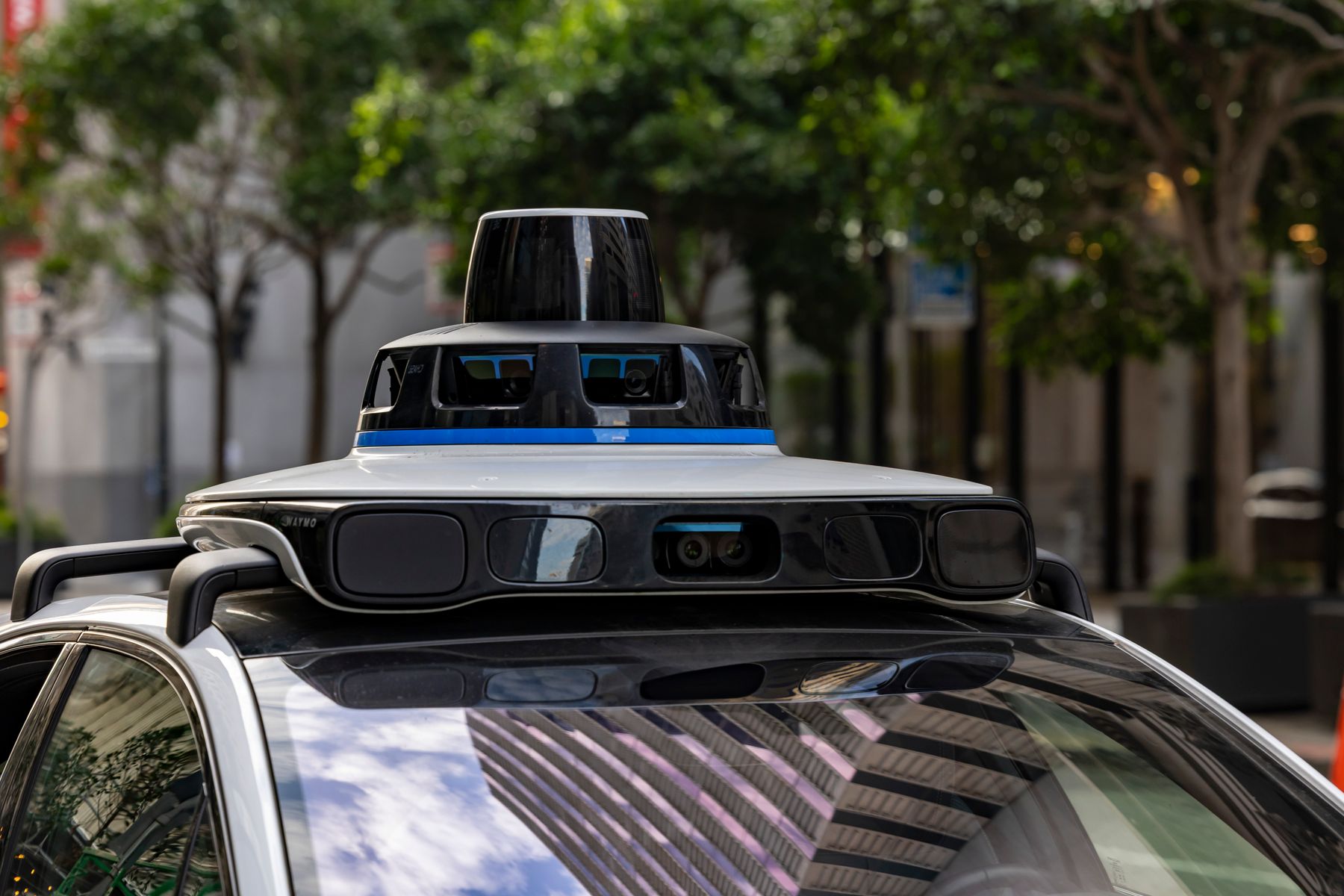
Illustrative image: Stephen Leonardi on Pexels
TIER IV is working with Arm, AWS and Red Hat to bring Autoware 2.0 into vehicle computing and software development programmes, with plans covering Arm platforms, cloud infrastructure and integration with the AutoSD automotive operating system project.
The work extends existing partnerships around Autoware, the open-source autonomous driving software. Arm’s involvement concerns computing platforms through Arm Total Design for Physical AI, AWS will support cloud development and operations, and Red Hat’s contribution centres on integration with AutoSD, the upstream project for Red Hat In-Vehicle Operating System.
TIER IV set out the programme on 2 November. Autoware’s GitHub release record dates version 2.0.0 to 29 October, ahead of the foundation’s public announcement on 2 November.
The software introduces an architecture in which trajectory generators feed a selector, creating a common framework for learned planning and the established rule-based approach. In the current release, the planner is chosen when Autoware starts. The Diffusion Planner is available as an option, while rule-based planning remains the default; later stages of the proposed architecture are still on the roadmap.
There are changes to how a working system is assembled, too. Autoware Index provides a registry of compatible repositories, and its command-line tool can compose a workspace from selected packages and their dependencies. Entries are built and tested nightly against the latest Autoware release.
The foundation has also moved its models and datasets to Hugging Face, where they carry version tags. The release’s Ansible tooling downloads fixed model versions. Its upgrade notes warn that the older model directory layout does not work with the 2.0.0 launch files, so models prepared for version 1.9.0 or earlier have to be downloaded again.
Autoware Reference Design brings the vehicle and software configuration into one documented combination. A deployment profile records the hardware, operating conditions and intended use, while a reference software stack specifies modules, model versions, parameters and interfaces. The framework records intended capabilities separately from demonstrated results.
The release is available on GitHub, with Docker images for ROS 2 Humble and Jazzy on amd64 and arm64.
Sources
- TIER IV, Autoware 2.0 integration programme, 2 November 2026
- Autoware Foundation, version 2.0.0 release record and upgrade notes, 29 October 2026
- Autoware Foundation, public announcement, 2 November 2026
- Autoware documentation, implemented capabilities and architecture roadmap
Image: Illustrative autonomous vehicle sensor photograph, not an Autoware installation or a TIER IV demonstration. Credit: Stephen Leonardi / Pexels. Image source. Pexels licence.