How SOLUM’s battery converter would keep an 800 V rack live
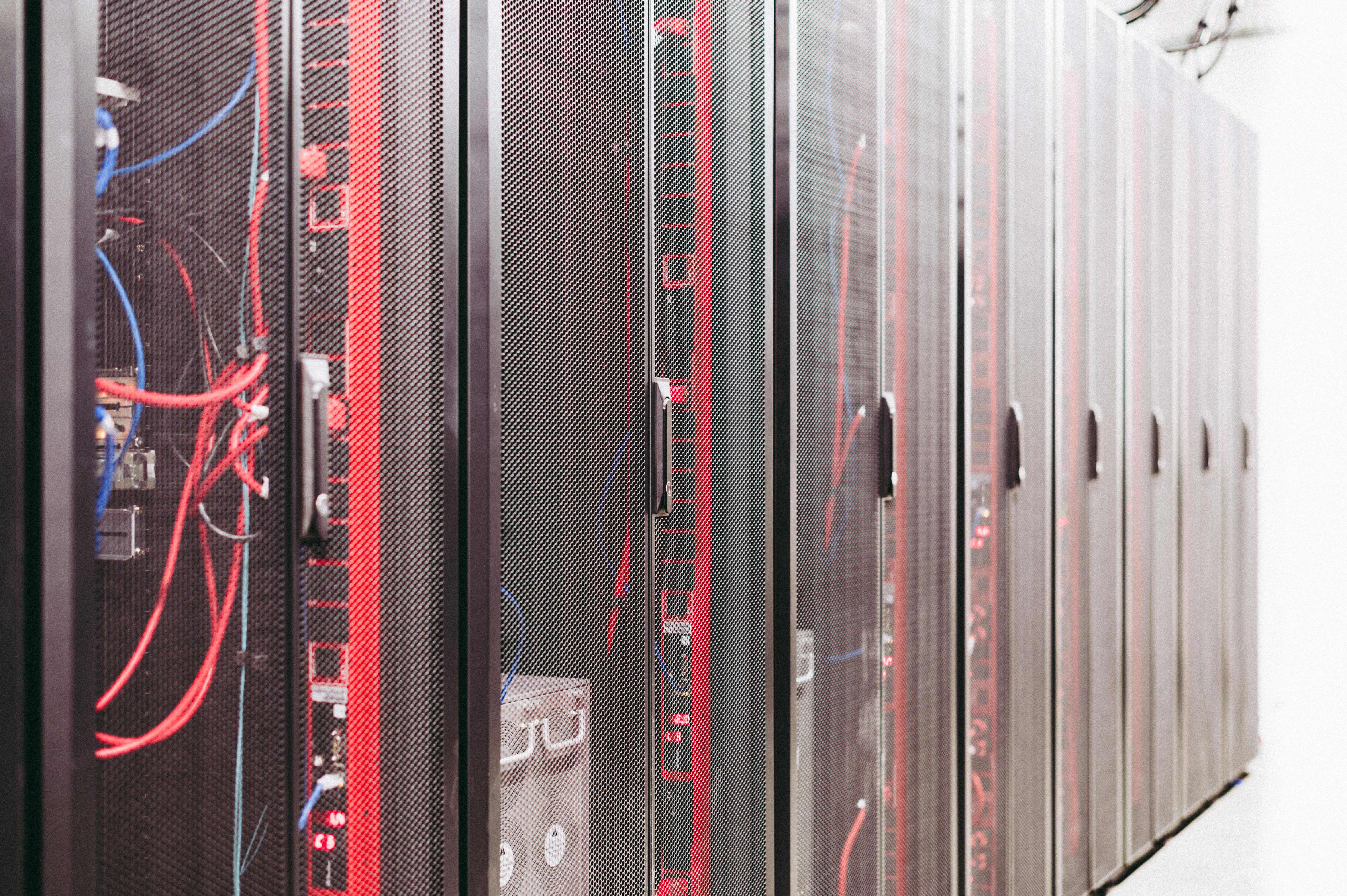
Illustrative image: Brett Sayles on Pexels
SOLUM showed a battery backup converter for 800 V DC racks at its Yongin campus, where it signed a memorandum of understanding with Infineon. The module sits between the battery and the bus that feeds the server converters, supplying the bus during a brief interruption. The design is in the 26 kW class and uses Infineon’s CoolSiC MOSFETs, EiceDRIVER gate drivers and PSOC digital power controllers. The agreement also covers power supplies and intermediate bus converters. [1][2]
The downstream converters use the bus voltage to generate the lower rails inside the servers. When the main supply drops, the battery stage has to take over before that voltage falls below their input range. Once it has picked up the load, how long it can hold the bus depends on the energy available from the pack and how much power the rack is drawing. At a fixed load, doubling the usable energy in the pack would roughly double the backup time if the conversion losses stayed proportionately the same. [1][3][4]
Infineon published its own 24 kW reference design in June for converting the output of a battery stack to 800 V DC. SOLUM has not disclosed the battery voltage or circuit topology for its own module. Without a bus voltage trace through the handover, the reference design cannot establish how the SOLUM converter behaves when the main supply drops. [1][3]
SOLUM also showed a backup converter for lower voltage DC and a 33 kW shelf compatible with Open Rack v3. For the 800 V unit, the company is targeting peak efficiency above 98.5% and mass production in 2027. It has yet to publish an efficiency curve or a ride-through time. [1]