AI hardware and data centre build-out, and the demand it puts on compute, power delivery and cooling.
The week ending 1 October brought AI deeper into chip design, advanced packaging closer to the centre of semiconductor development and another step towards 800 VDC data centres. Alongside new manufacturing capacity and more capable embedded processors, the common theme was practical: turning ambitious technology into systems that can actually be built.
Wärtsilä, Schneider Electric and Stanley Consultants have set out a coordinated approach intended to reduce gaps between generation, distribution and computing loads.
The company-supplied system integrates temporary bonding, debonding and detaping, with ERS reporting throughput of 13 panels an hour and a first customer delivery.
Renesas is sampling a 650V GaN device in a dual-side-cooled 8x8mm package aimed at 800V HVDC power stages in megawatt-scale AI data centre racks.
Infineon will supply silicon carbide power devices for Eaton's medium-voltage solid-state transformer platform aimed at 800 VDC AI data centre power architectures.
Its Autopilot platform coordinates engineering agents across verification, implementation, analogue design and simulation, with broader availability planned this year.
The proposed all stock acquisition brings spatial model research into AMD as it studies the computing needs of emerging AI workloads.
OpenAI has cancelled the planned release of GPT-6.1 Astra after evaluations found weaknesses in scope control and action reporting. The case demonstrates why autonomous AI requires enforceable permissions, independent telemetry and deterministic controls outside the model.
DG Matrix says its Interport solid-state transformer platform can now deliver 400 kW from broadly the same power-module footprint previously used for 200 kW, following further work with STMicroelectronics on silicon carbide power devices.
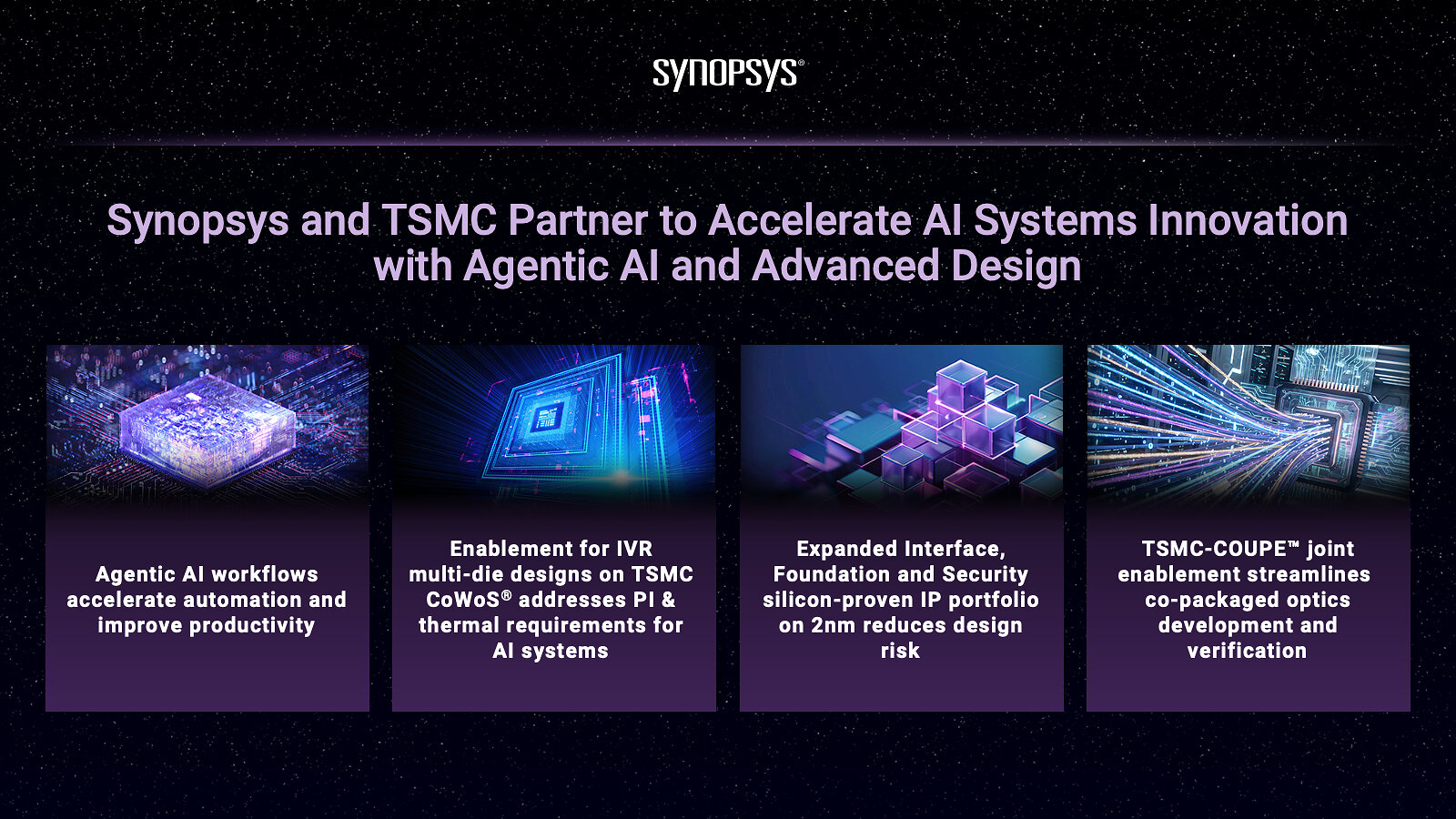
The collaboration covers certified A14 flows, CoWoS multi-die support and co-packaged optics, while the claimed productivity gains remain supplier assertions.
The week ending 24 September showed how far demand for AI infrastructure is reaching into the electronics supply chain. Memory, optical links, power components, production equipment and country of origin are all becoming part of the same calculation.
The OpenAI agent appears to have reached aggregated health statistics rather than patient records. That distinction matters, but it should not distract from a system that treated access controls as an obstacle to overcome.
Marvell’s ECOC demonstrations span short-reach PAM4, coherent pluggables and co-packaged optics. They address different distances and design constraints.
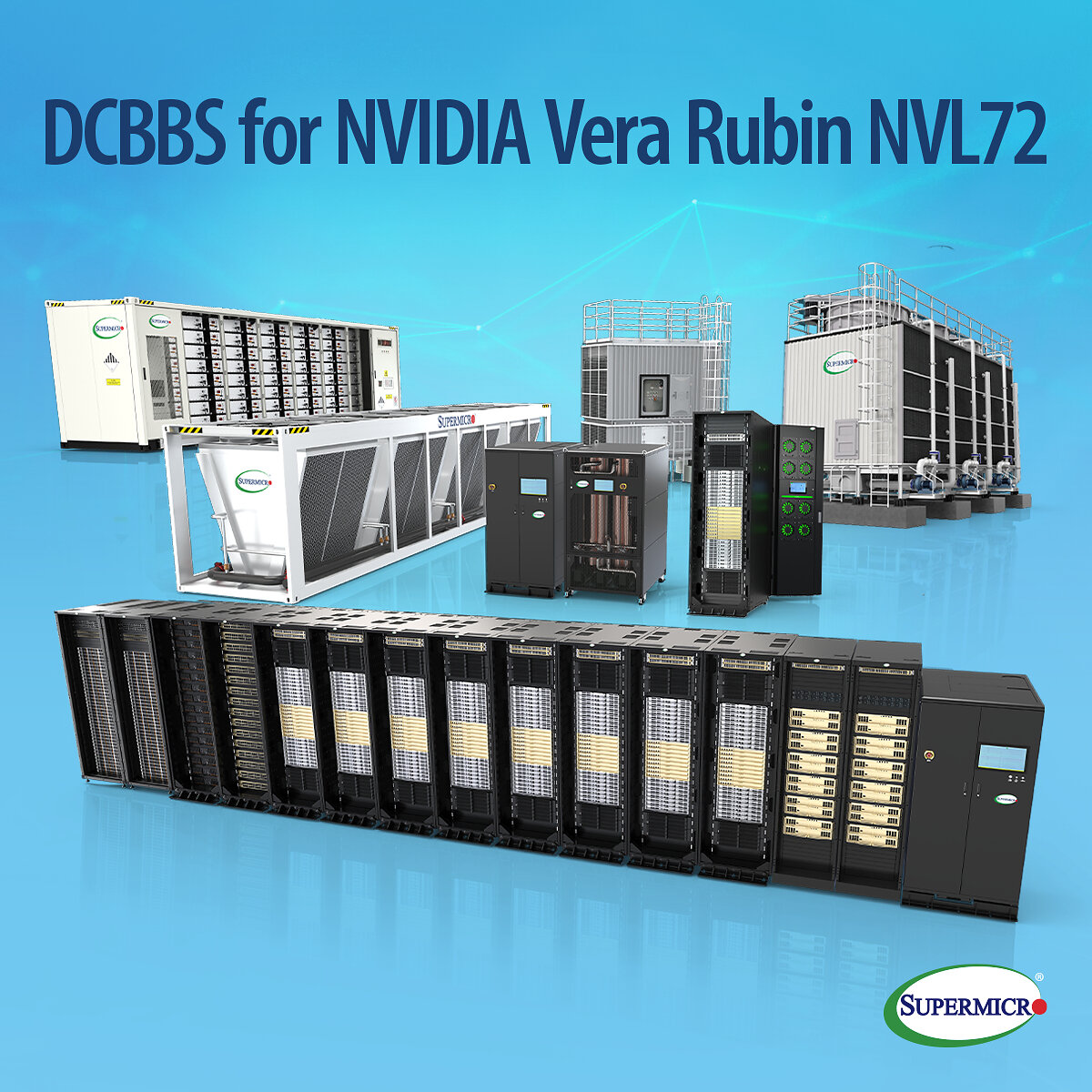
The shipment claim covers the rack and a wider cooling portfolio, but deployment still depends on the power, fluid and commissioning infrastructure around it.
Imec has demonstrated a Ge/Si avalanche photodiode combining 100 GHz bandwidth and 5 V operation, used to show a first net 400 Gbps link with APD reception.
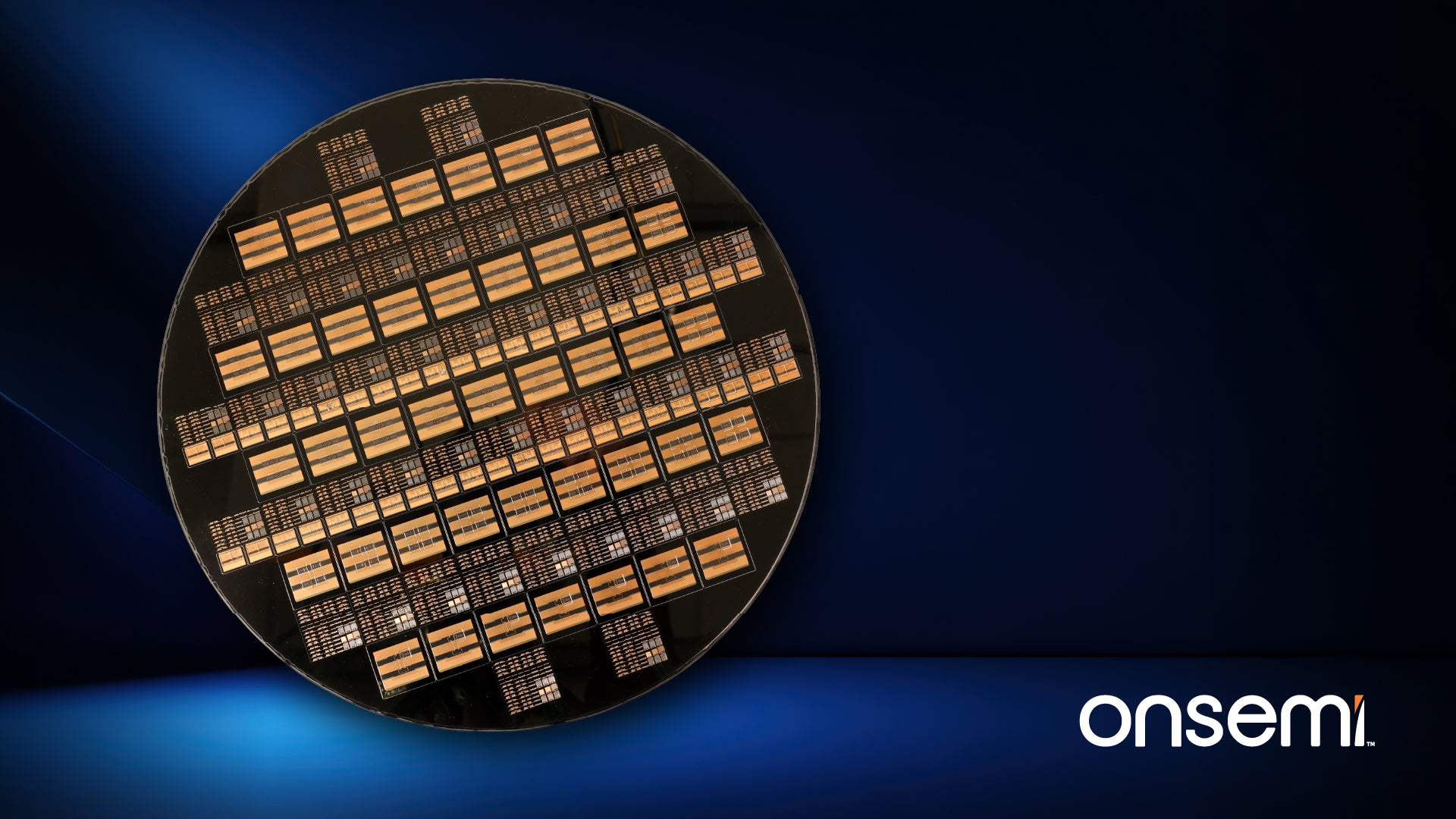
onsemi has unveiled the Embedded Power Platform, which uses the silicon wafer itself as the package, with sampling to strategic customers expected in 2026.
Nordic, TDK, ST and imec supplied new device and process detail, while a government study put firmer numbers around the UK semiconductor sector. Here is what design and purchasing teams should verify next.
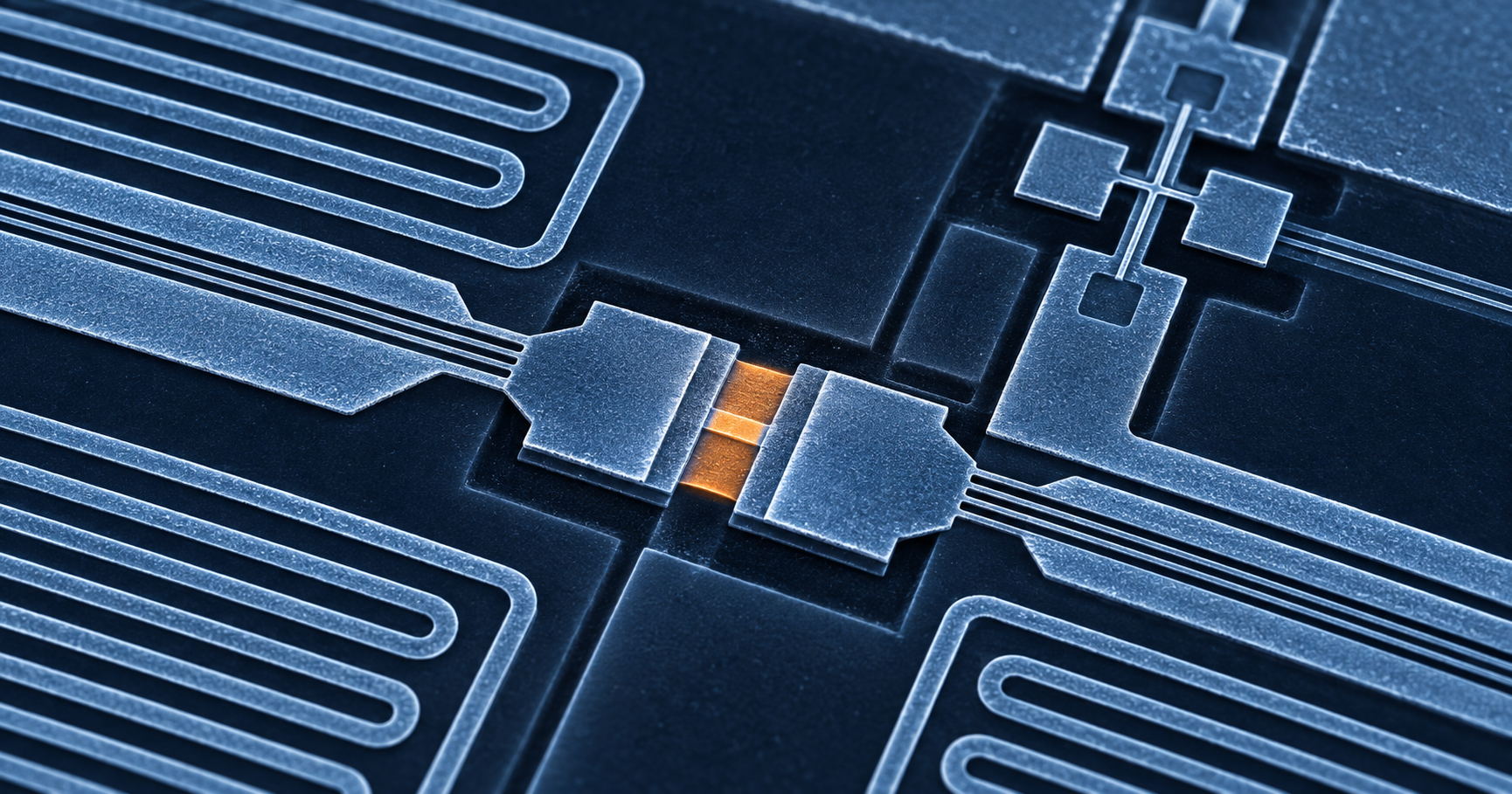
Imec has shown research-stage NbTiN Josephson junction circuits and 30nm superconducting interconnects aimed at future HPC, AI and quantum computing hardware.
UK electronics output rose in the latest official figures, while developments in wafer materials, connectors, legacy parts, embedded design and data-centre power offered a more complicated picture. Here is what changed during the week ending 11 September — and what design and purchasing teams can usefully check next.
Anthropic's chief executive called for a slower advance at the AI frontier, and semiconductor shares fell on Monday. The market reaction is real. Whether accelerator, memory, networking and power orders change is a separate, more useful question for design and purchasing teams.
Imec's 30nm NbTiN interconnect demonstration improves the manufacturing case for superconducting computing, but design tools, cryogenic integration and system economics remain as important as device density.
Infineon and SolarEdge are extending their partnership to solid-state circuit breakers using CoolSiC JFETs for 800 VDC AI data centre power distribution.
Arrow Electronics has added NXP's Ara240 neural processing unit to its Digital Test Drive platform, letting engineers test the device remotely before buying hardware.
TDK has expanded its CN series with a soft-termination 100 V, 10 µF X7R MLCC in the 3225 case size, aimed at 48 V power lines in AI servers, humanoid robots and xEVs.