How the LIZARD team tested commercial electronics for a year in orbit
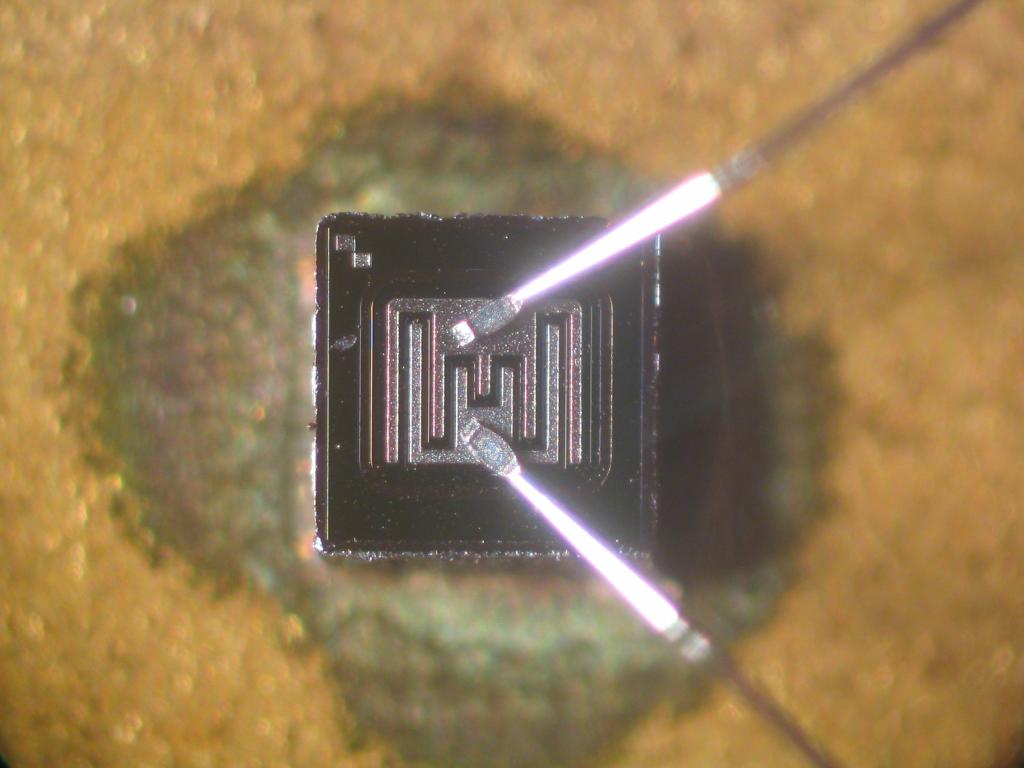
A power switch on a microcontroller development board failed during radiation testing for the LIZARD space experiment, while the components selected for flight passed their tests. The researchers suspected excessive charge accumulation in the affected device, which was supplying the processor. [1] [1][4]
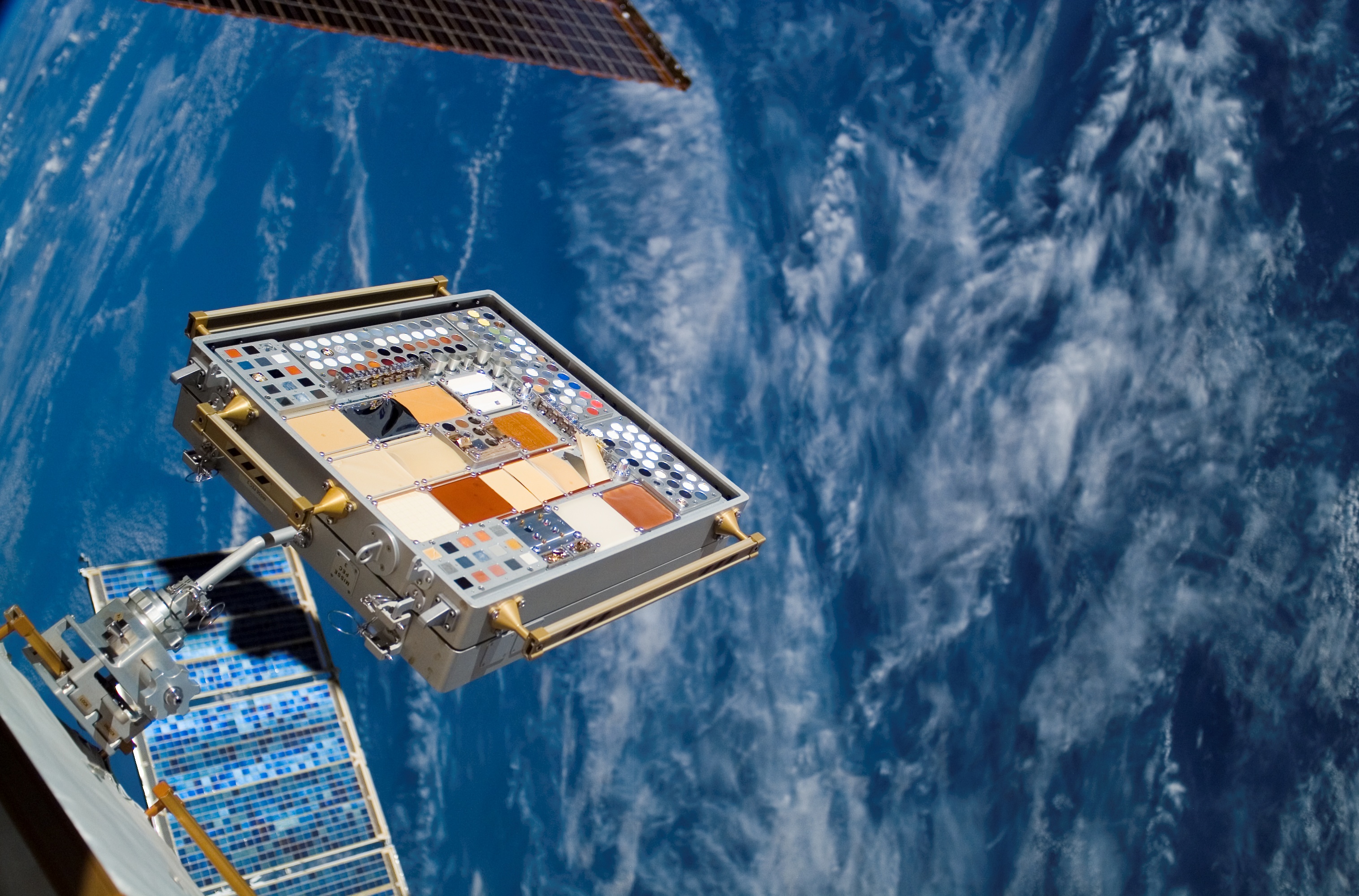
LIZARD is intended to investigate how micropatterned dry adhesives behave in orbit aboard the AIOTY-CUBE satellite, pressing samples against a test surface and using cameras alongside force measurements to follow their behaviour. A paper published in CEAS Space Journal describes the verification of its commercial electronics, with a predicted total ionising dose of 1.563 krad over the planned mission lasting one year and critical components tested at doses up to 12 krad. These are results from ground testing supporting a future flight, rather than a year of operating experience in space. [1]
NASA's guidance on using commercial parts begins with the mission environment: orbit, shielding and duration determine the exposure a component is likely to receive. The next step is to connect the possible effects in that component with the way the circuit and the rest of the spacecraft will respond. A fault that can be cleared by restarting one function has a different consequence from a failure that removes the supply to several functions at once. [2][3]
In LIZARD's incident involving the development board, the affected ST890 is a protected power switch intended for load switching at low voltages. ST's datasheet describes current limiting, thermal shutdown and a fault output, all useful functions in its normal terrestrial applications. Those protections address electrical overload and temperature; they do not constitute a radiation qualification. [4]
Accumulated radiation dose can progressively change device behaviour, while a single particle can produce an upset or a destructive event. NASA treats these as separate threats requiring appropriate characterisation and mitigation, so passing a dose test alone cannot establish immunity to every orbital radiation effect. The dose at which one tested device survives also needs to remain attached to that device and test, rather than becoming a rating for a whole class of commercial components. [2][3]
Temperature changed the focus of the cameras, while unfavourable illumination affected exposure, so the researchers assessed whether those changes would interfere with analysis of the adhesive samples. The system also incorporates redundancy in its microcontrollers, nonvolatile memory and file systems. [1]