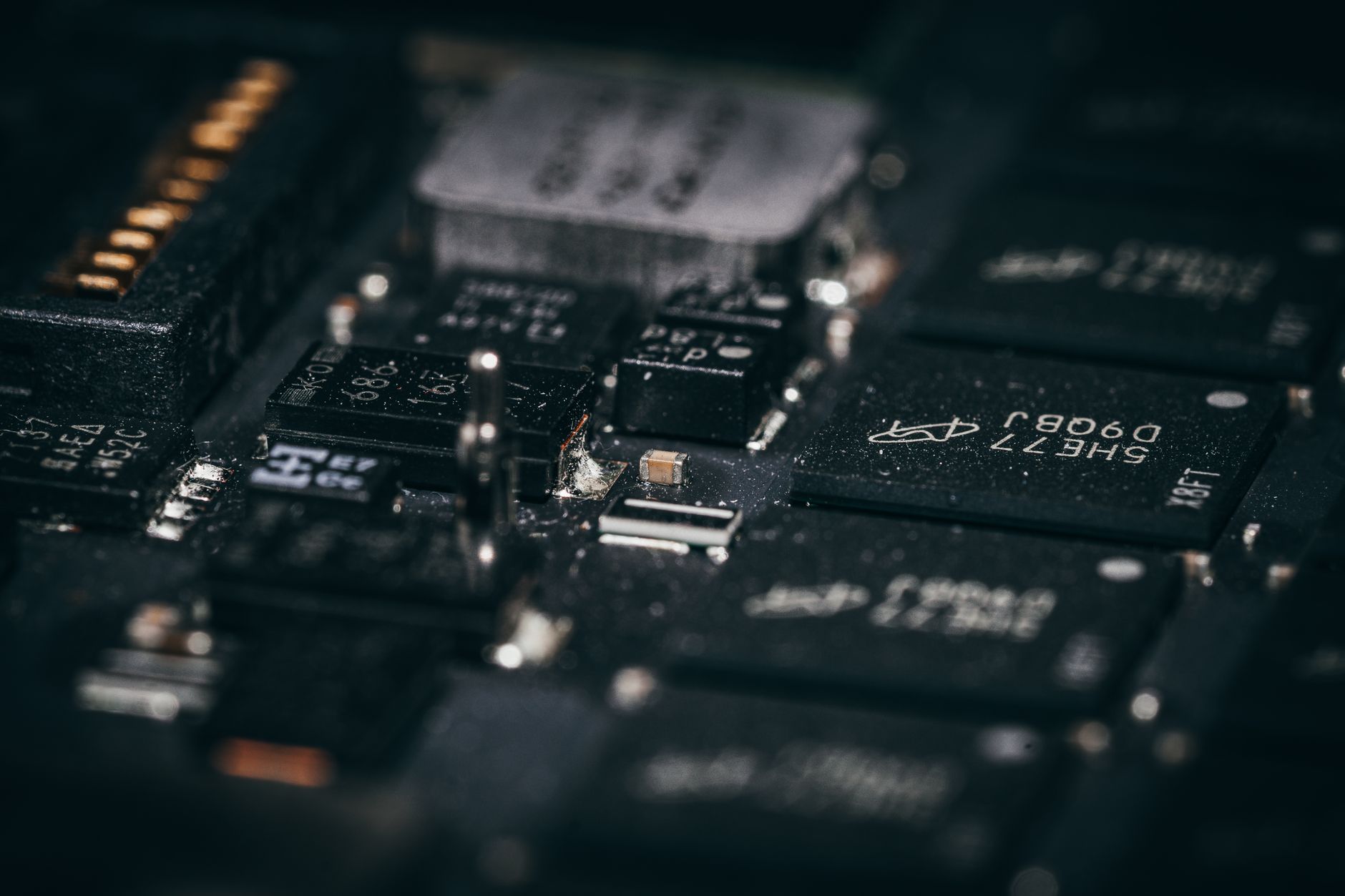
Where Marvell’s 2 nm optical links fit in an AI network
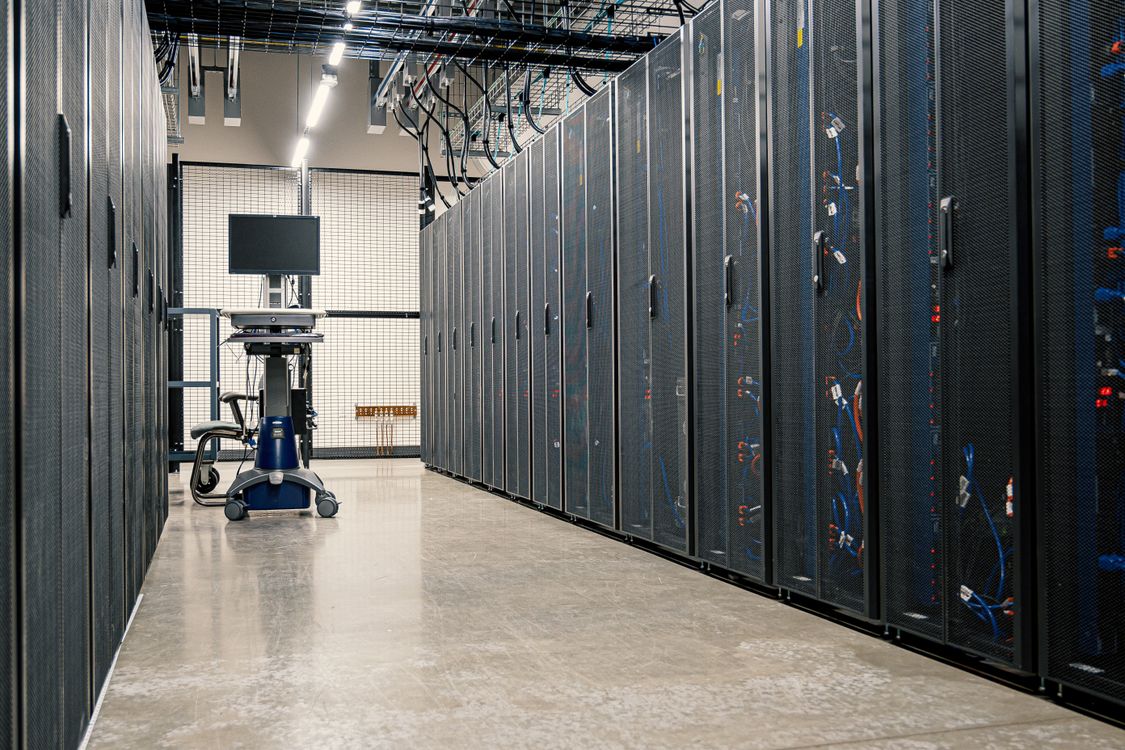
Illustrative image: Brett Sayles on Pexels
Marvell has brought a crowded set of optical-interconnect demonstrations to ECOC 2026: 400 Gbit/s per lane PAM4, 800G and 1.6T coherent technologies and a 102.4 Tbit/s co-packaged-optics platform. The numbers invite a simple conclusion that one link is faster than another. They actually describe different jobs in a data-centre network.
Marvell announced the demonstrations on 21 September for the 20–24 September conference in Málaga. The company says its new optical DSP technologies use a 2 nm semiconductor process. That is a process designation for connectivity silicon, not the width of an optical waveguide.
Start with distance and electrical reach
When accelerators and switches exchange more data, the electrical path between a chip and a conventional front-panel optical module becomes harder to manage. Marvell’s 400G-per-lane PAM4 demonstration addresses high-speed optical lanes intended to increase the capacity of future data-centre links. Its 102.4 Tbit/s co-packaged-optics platform takes a different approach: place the optical engine close to switch or accelerator silicon, shortening a demanding electrical connection.
Co-packaging is not a drop-in substitute for every pluggable module. System teams also have to consider optical serviceability, fibre routing, cooling, yield and how a failed optical engine would be replaced. Marvell says its CPO platform uses 200G-per-lane silicon photonics; the announcement does not establish a universal power saving in a deployed network.
Pluggables and coherent links serve another part of the network
Marvell is also showing an 800G ZR/ZR+ OSFP pluggable incorporating MACsec and demonstrations of 1.6T ZR and O-band coherent-lite technologies. These concern longer or more demanding optical paths than the links immediately around an accelerator. Coherent processing helps compensate for signal impairments over distance, while a removable pluggable offers a familiar integration and replacement model. The inclusion of MACsec in the 800G demonstrator addresses link security as well as capacity.
Names such as “scale-up”, “scale-out” and “scale-across” are useful only when tied to the actual topology. A rack-level connection, a link between racks and a connection between facilities have different reach, power, maintenance and security requirements. The design question is where copper stops being practical and which optical architecture fits the path that follows.
These are conference demonstrations and product-roadmap signals, not evidence that all four technologies are shipping at scale. Buyers and designers should ask for measured power per bit, reach, error performance, interoperability, availability and service arrangements for the particular link they intend to build.