The approved MOSFET swap adds 18°C. What was missed?
Illustrative image: Tima Miroshnichenko on Pexels
Fictional engineering case. No real company or reader is being quoted.
Previous problem: Twenty minutes in, the I²C sensor stops answering.
Last week’s answer
In this fictional investigation, oscilloscope measurements taken as the fault developed identified the cause. The original symptoms alone could not distinguish a poor connection from a sensor, supply or timing fault. As the board warmed, one pull-up resistor connection developed a rising resistance because of a marginal solder joint. The higher effective pull-up resistance slowed the rising edges beyond the applicable bus timing limits. Lowering the clock rate had not restored adequate margin at the faulty connection. Local heating and cooling isolated the location, and cross-section inspection confirmed incomplete wetting. Reworking the joint removed the fault.
The useful lesson was to measure the bus at temperature and compare rise time, logic thresholds and supply noise before changing firmware. The temperature dependence was evidence, not proof, of a semiconductor failure.
Technical background: TI’s I²C pull-up resistor calculation guide.
This week’s problem
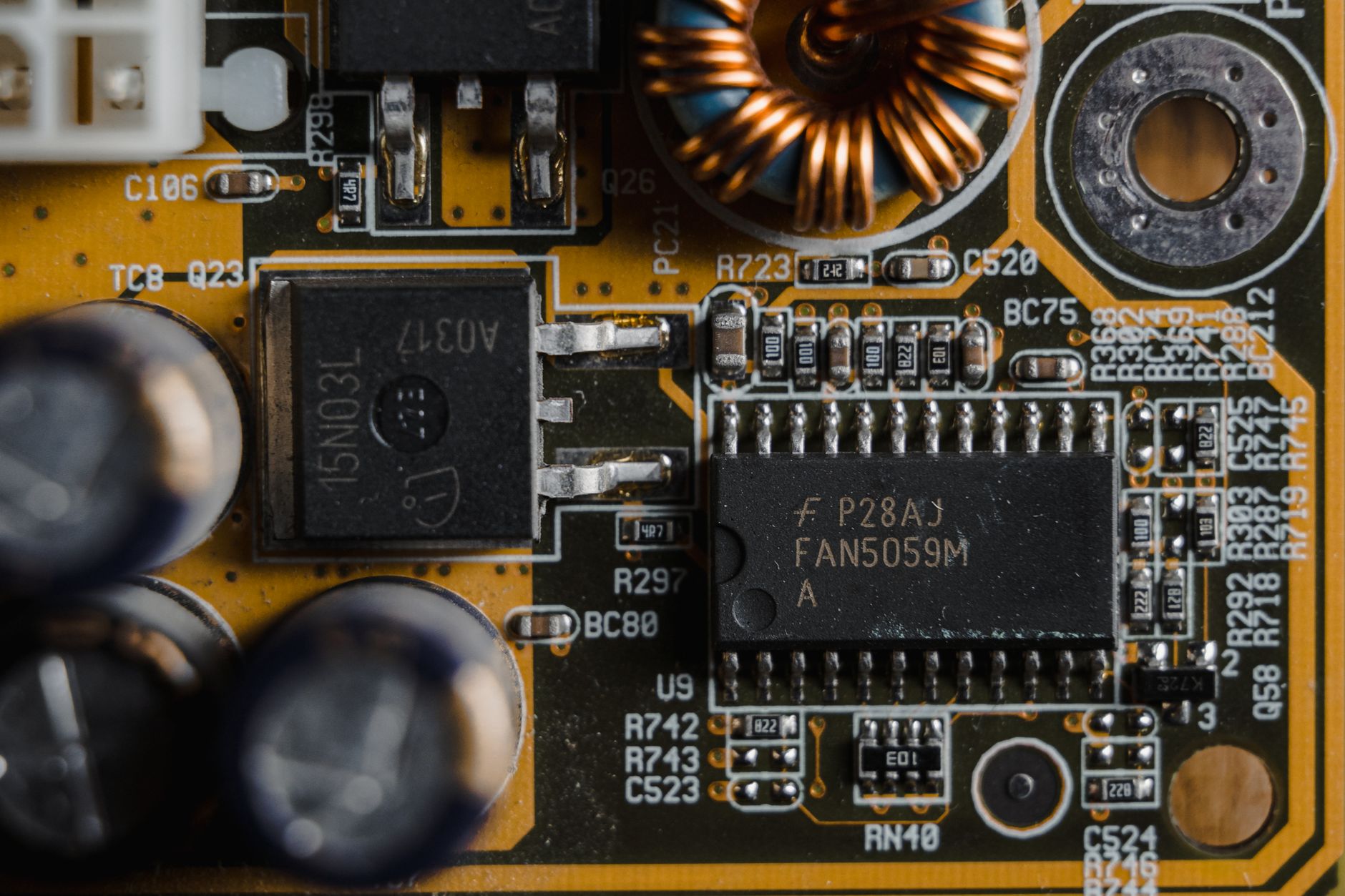
A contract manufacturer has fitted an approved alternative MOSFET during a shortage. Voltage, current and headline on-resistance appear compatible, yet the converter now runs about 18°C hotter at full load. The buyer has a signed substitution approval and the engineer wants to know which overlooked parameters should be compared before blaming the assembly process.
Next week’s answer will examine switching loss, gate charge, thermal resistance and the conditions attached to datasheet on-resistance.
Readers can submit their own problem through the Troubleshooter page.