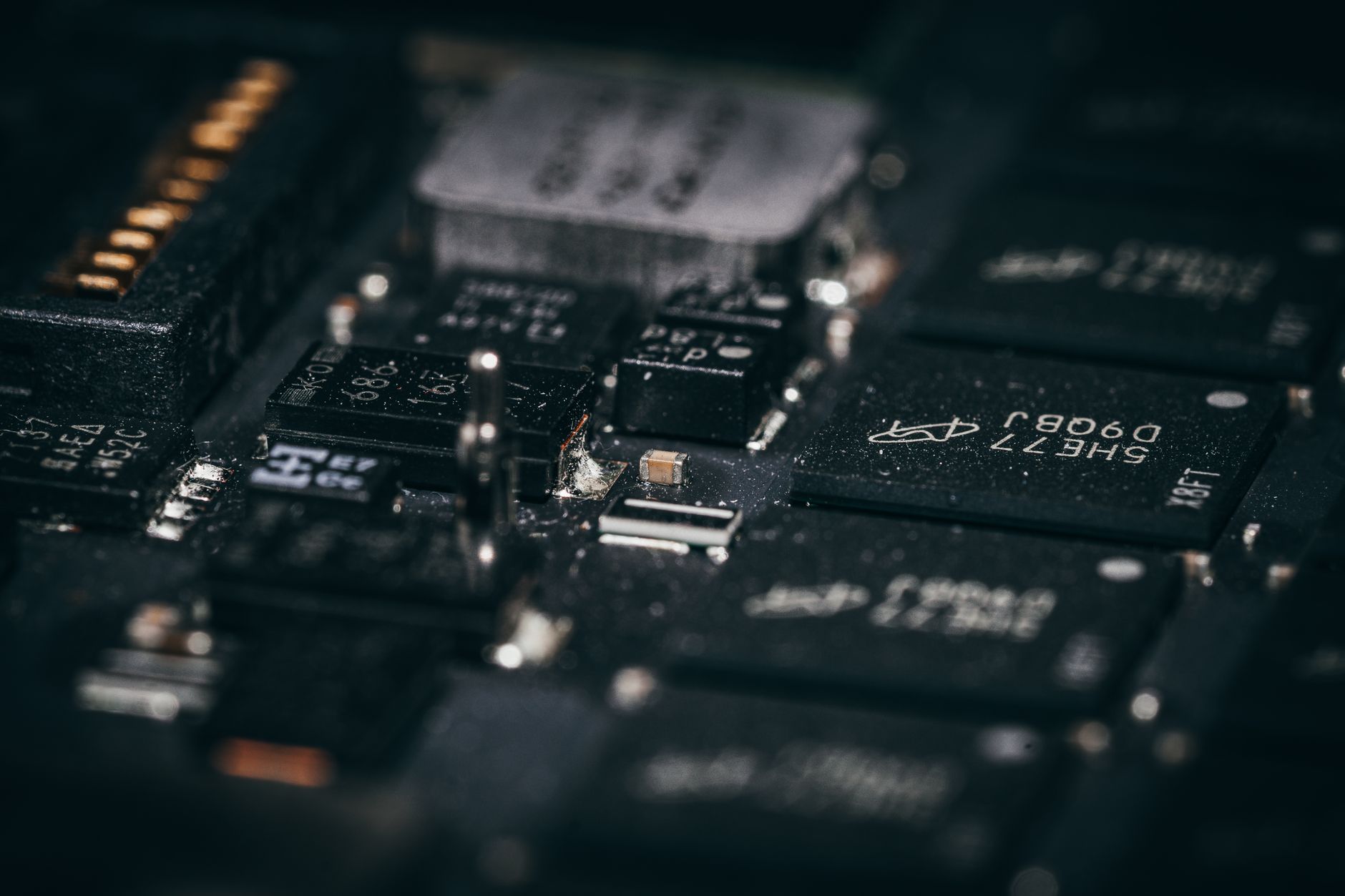
The boards pass test. Then the capacitors crack.
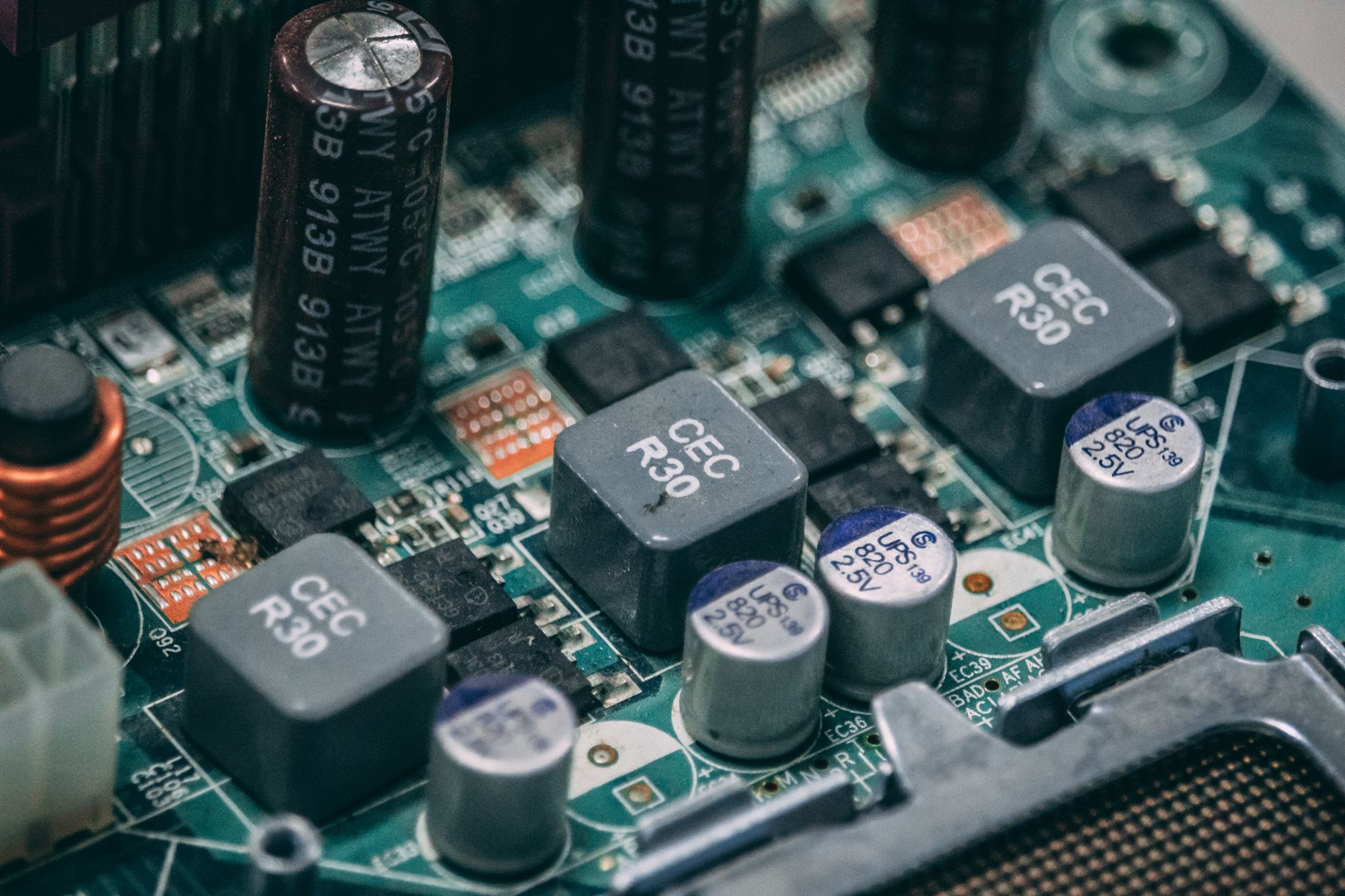
Illustrative image: Muffin Creatives on Pexels
Fictional engineering case. No real company or reader is being quoted.
Previous problem: A connector passes inspection, then fails in the field.
Last week’s answer
Fretting was a credible explanation for the intermittent connector fault, but remating temporarily clearing it was not proof: a loose crimp or another disturbed connection could behave similarly. In this fictional investigation, resistance monitoring during controlled vibration localised the transients to the contact interface. Examination of the retained contacts found wear and debris consistent with repeated small movements.
The corrective work therefore targeted contact movement and a finish appropriate for the low-level signal and environment. The investigation did not assume that increasing signal current would clean or repair the contacts.
The corrective work combined improved cable restraint, a connector finish suited to the environment and a review of contact force. Returned connectors were documented before mating cycles altered the evidence.
This week’s problem
A manufacturer has boards that pass automated optical inspection, in-circuit test and final functional test. A small number later develop a shorted multilayer ceramic capacitor after the board is installed in its metalwork. The failures occur in different electrical positions but tend to be close to mounting points and panel break-off edges.
The team needs a practical investigation plan that separates placement damage, depanelisation stress, screw-induced board flex and thermal shock. What should be recorded before removing the failed capacitors, and which process experiment would provide the strongest evidence?
The answer will appear in the next Troubleshooter instalment.
Readers can submit their own problem through the Troubleshooter page.