onsemi unveils wafer-as-package power architecture
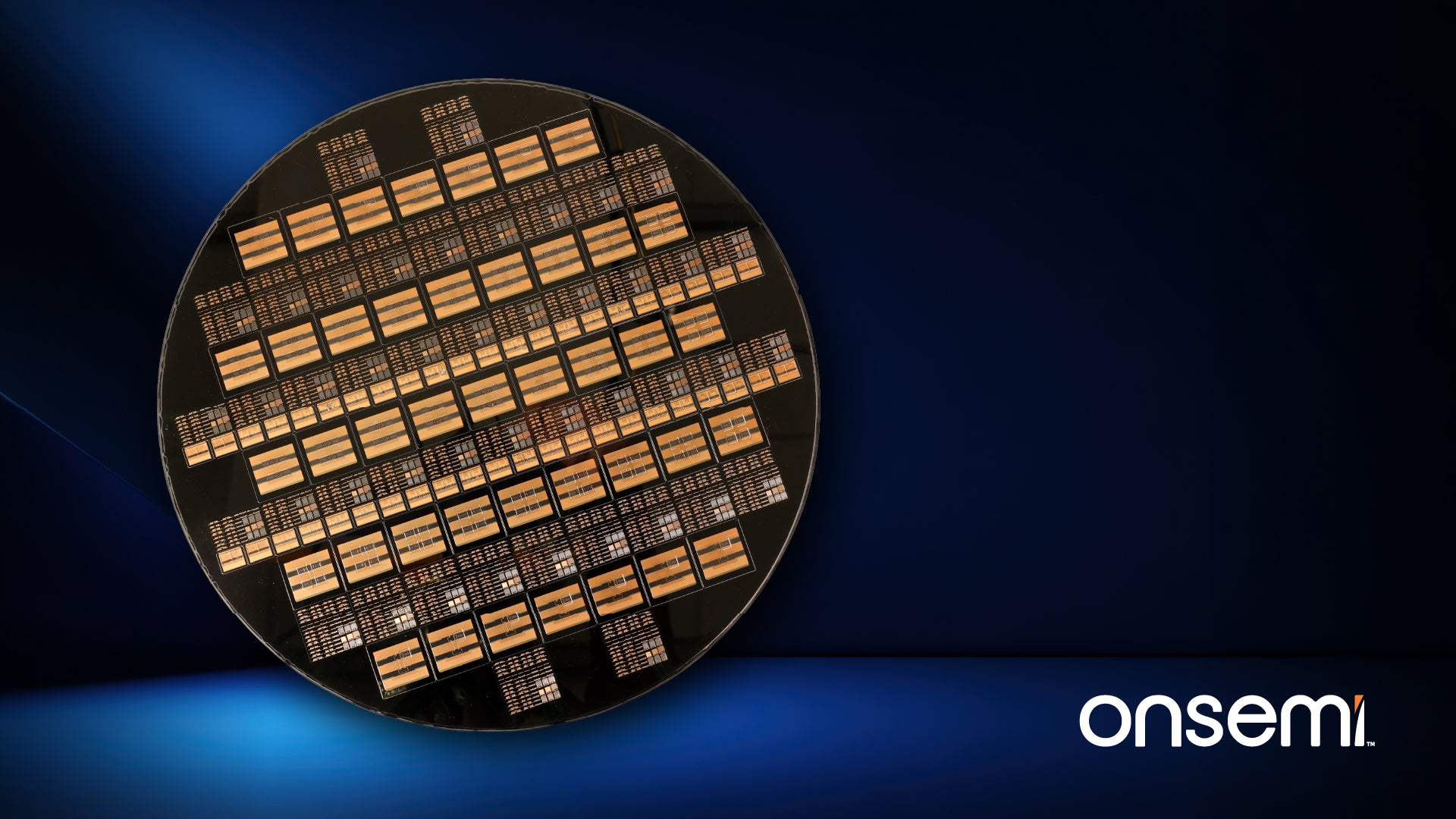
Image: onsemi
onsemi has introduced the Embedded Power Platform (EPP), an architecture in which the silicon wafer itself forms the package rather than a separate housing, integrating multiple power devices into a single structure.
Wafer-level integration
EPP embeds FETs, drivers and controllers together within a wafer-level package, combining silicon, silicon carbide and gallium nitride technologies. onsemi says the platform is built on its standard 12-inch wafer manufacturing lines, applying semiconductor fab processes, design tools and simulation to power-system integration rather than treating packaging as a separate step.
Vendor performance claims
onsemi attributes several benefits to this co-design approach, though these are supplier claims rather than independently verified figures:
- Up to 3-5x higher power density compared with current solutions, depending on application
- Development cycles accelerated to as little as four months
- Reduced parasitic inductance and support for higher switching frequencies
- Improved thermal performance through the package conducting heat directly
For an early EPP-based solid-state circuit-breaker design aimed at AI infrastructure, onsemi reports the solution was approximately 50% smaller and 20% cooler than existing designs; this is described as an early design rather than a shipping product. For electric vehicle traction inverters, onsemi claims up to 4x higher power density and 15% lower power losses compared with conventional approaches, with a scalable architecture intended to span multiple vehicle power classes from a common inverter platform.
Automotive partner and sampling
Subaru Corporation is named as an early engagement partner, evaluating EPP for future electrified vehicle architectures. Under the collaboration, Subaru is receiving engineering samples, simulation models and technical support from onsemi as the companies explore the platform's potential.
onsemi states that EPP is expected to begin sampling in 2026 with strategic customers and ecosystem participants across automotive and AI applications, indicating the platform remains at an early access stage rather than general production.