Five UK microelectronics start-ups to follow after the 2026 Launchpad

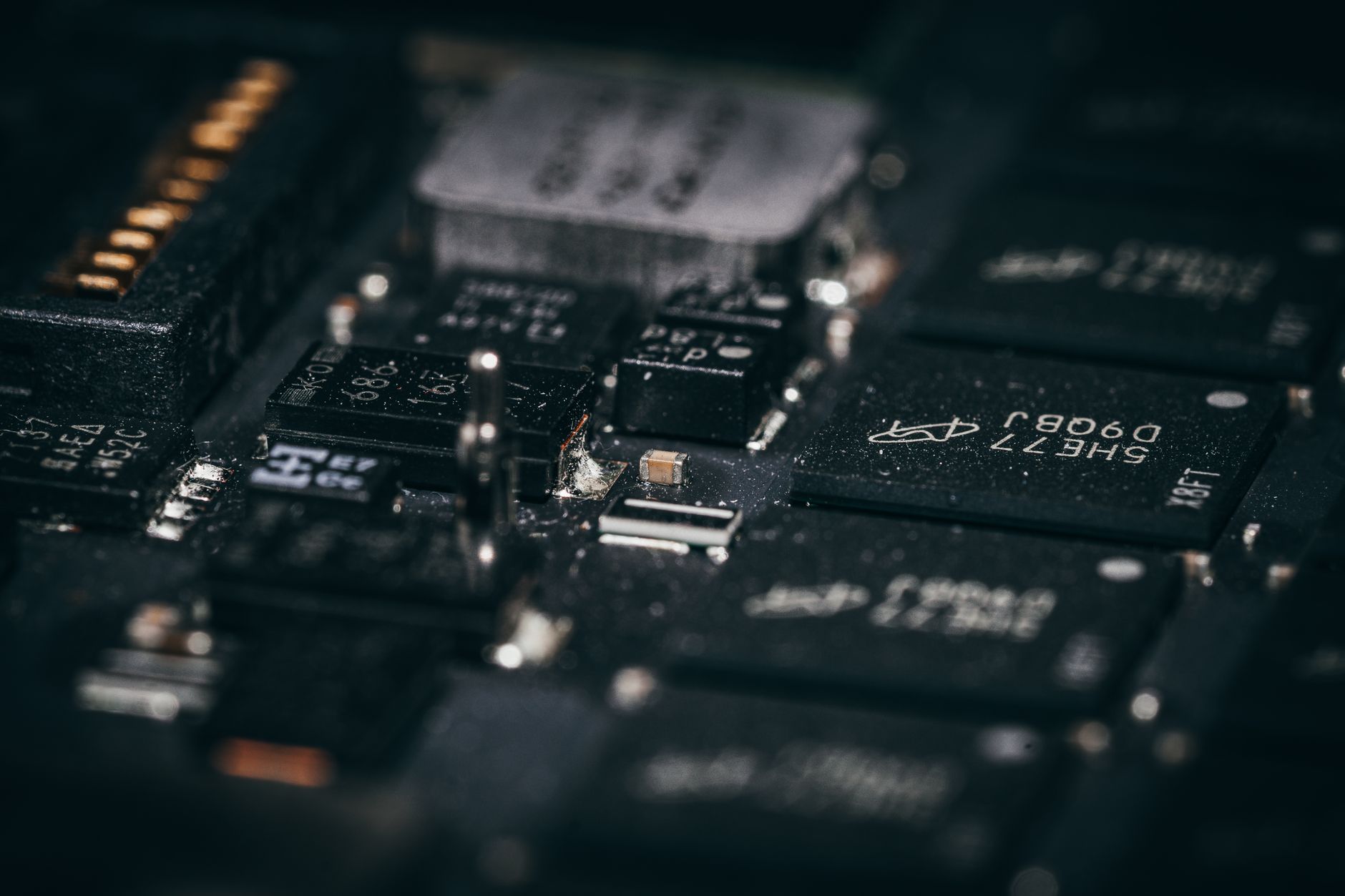
Illustrative image: Unsplash contributor on Pexels
Microelectronics UK’s Startup Launchpad brought early-stage semiconductor, photonics and embedded-systems companies to Excel London on 29 and 30 September 2026. The programme, delivered with Silicon Catalyst, used ten-minute presentations across themes including future compute, networking, sensing and edge systems.
Five of the participating companies illustrate the breadth of the technologies now being developed around the UK microelectronics sector. The amount of public technical evidence varies considerably between them.
Apitronix Semiconductor
Apitronix says it is developing a new class of real-time processor for automotive, robotics, spaceflight and unmanned aerial vehicles. Its event profile claims performance approaching 20 times that of existing alternatives, but does not publish the benchmark, workload, process technology or power envelope behind the figure.
Compound Hound and Atlas Processing
Compound Hound and Atlas Processing appeared alongside Apitronix in the Future of Compute session. The public Launchpad programme confirms their participation but provides little technical information about their architectures, development stage or route to manufacture. Their inclusion signals activity in the compute segment without yet supplying enough evidence for a technical comparison.
Chevin Technology
Chevin Technology develops hardware-rooted security and high-speed connectivity intellectual property. Its ChevinID architecture is intended to provide device identity and feature authentication in silicon, while its connectivity portfolio includes Ethernet MAC/PCS and TCP/IP and UDP/IP offload cores for designs from 10 to 400 Gbit/s.
The company positions the IP for ASIC, FPGA and chiplet-based implementations. The event material describes the architecture and target interfaces but does not provide independent area, latency, power or security-evaluation results.
Kāhu SiliconBio
Kāhu SiliconBio combines engineered microorganisms with an integrated circuit for electronic readout. The biological element is designed to respond to selected chemicals in liquids, including biomarkers, metabolites, pollutants and flavour compounds.
The concept places living molecular machinery inside the sensing chain rather than using a conventional solid-state transducer alone. Public material describes rapid and continuous measurement at the point of need, but does not yet give sensitivity, selectivity, lifetime or manufacturing data.
What the Launchpad shows
The five companies span processor architecture, semiconductor IP, connectivity and biological sensing. They also sit at different levels of public disclosure. Some provide product architecture and interface detail, while others are visible principally through their inclusion in the event programme.
Launchpad participation is evidence of sector activity and access to an industry platform. It is not, by itself, validation of performance or commercial readiness. The technical case for each company will depend on the measured results and implementation detail that emerge after the event.