DG Matrix doubles Interport output to 400 kW with ST SiC

DG Matrix says its Interport solid-state transformer platform can now deliver 400 kW from broadly the same power-module footprint previously used for 200 kW, following further work with STMicroelectronics on silicon carbide power devices.
The Interport platform is designed to convert, route and control power between sources including the grid, energy storage and high-power loads.
DG Matrix is positioning the increase for applications including AI data centres, charging infrastructure and utility microgrids, where available space and electrical capacity can restrict deployment.
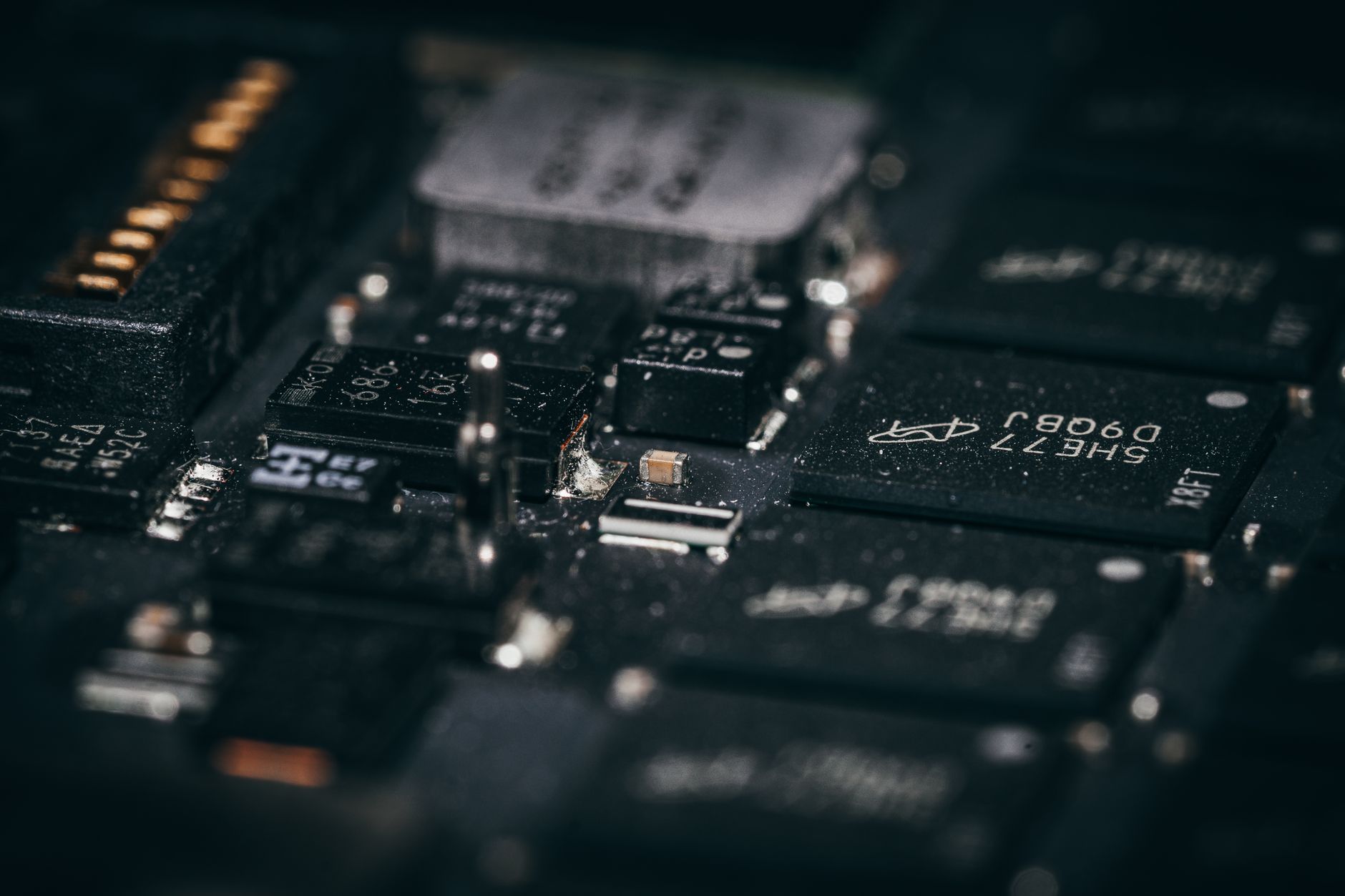
The company attributes the higher power density to the use of newer STMicroelectronics silicon carbide devices and engineering support provided by ST.
Silicon carbide devices can operate at higher switching frequencies and junction temperatures than conventional silicon components. This can help reduce the size of some passive components and lower switching losses, although the benefits depend on the complete converter architecture, operating voltage and cooling system.
DG Matrix claims conversion efficiency above 98.5 per cent. At 400 kW output, an efficiency of exactly 98.5 per cent would still equate to approximately 6.1 kW of conversion loss.
The actual cooling requirement will depend on where losses occur, the operating point at which the efficiency was measured and whether the quoted figure applies to an individual conversion stage or the complete system.
The company has not disclosed the precise ST devices used, switching frequency, semiconductor package, thermal arrangement or test conditions behind the efficiency figure.
These details matter when assessing whether the higher module output will reduce the footprint of the complete installation. Greater power density can shift design pressure into busbars, connectors, protection, cooling and cabling even when the converter module itself remains the same size.
DG Matrix also points to the surge-current capability of the silicon carbide devices. This could be relevant in data-centre installations where rapidly changing computing loads create demanding electrical transients.
For engineers evaluating the platform, continuous output across the operating temperature range, overload behaviour, derating and fault response will be as significant as the headline 400 kW figure.
Component and system buyers will also need to understand the semiconductor qualification and supply strategy. The announcement does not identify the device families, expected production volumes, alternative sourcing options or lifecycle commitments supporting the new configuration.
DG Matrix says ST has been involved in technical development rather than acting solely as a component supplier. Feedback from the application is expected to inform requirements for future power devices, including voltage, current and thermal performance.
The announced increase is a significant system-level demonstration of silicon carbide power density. It should not yet be interpreted as independent confirmation of efficiency, field reliability or deployment at scale.