Chips Act 2.0 has identified the right problems. Delivery is now the real test
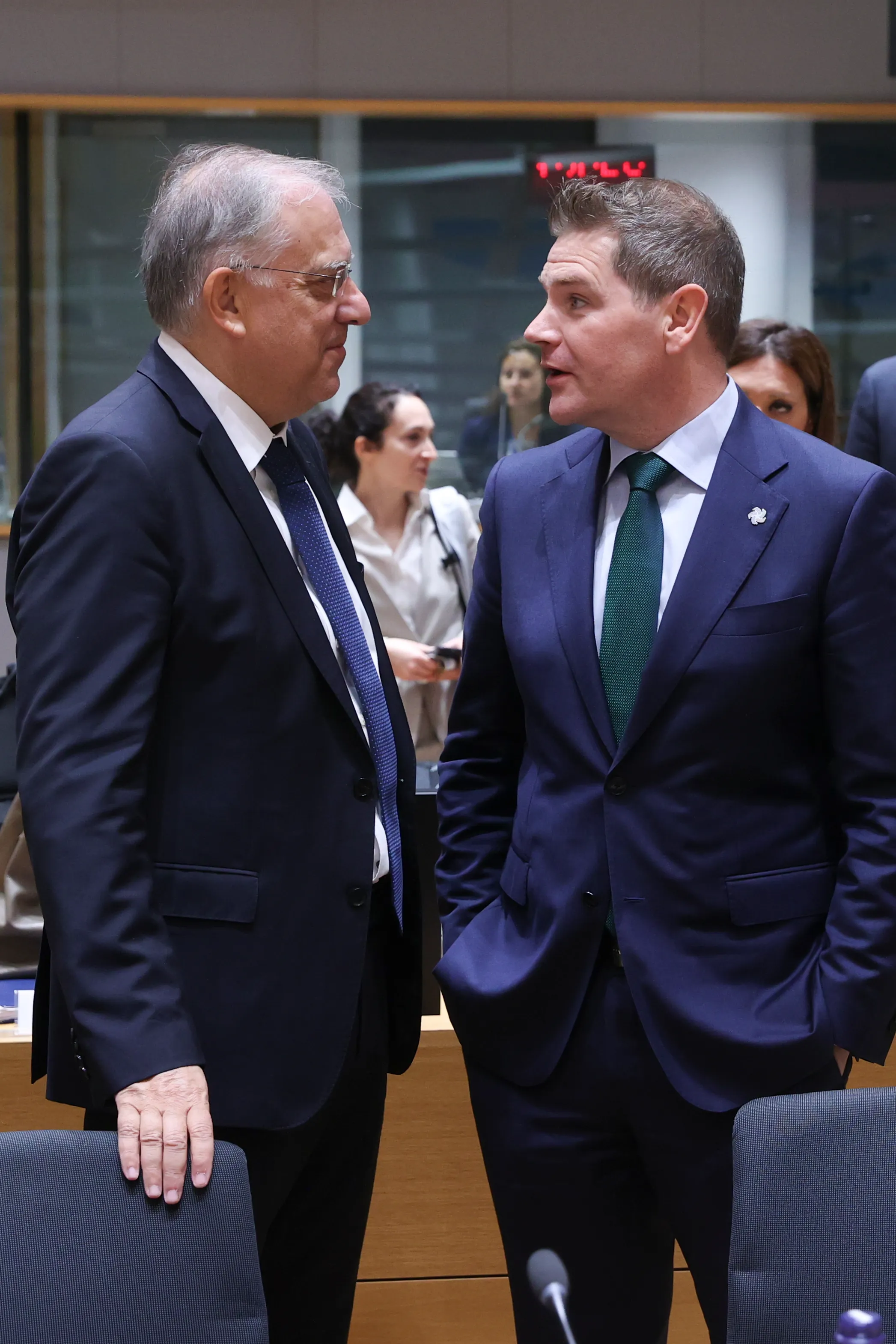
Image: © European Union, 2026
Europe does not lack semiconductor strategies. It lacks the consistent execution needed to turn research strength, specialist manufacturing and political ambition into lasting industrial capacity.
That is why the latest ministerial discussion on Chips Act 2.0 matters. EU member states broadly welcomed the proposal presented by the European Commission in June, backing its aims to strengthen the semiconductor ecosystem, reduce strategic dependencies and stimulate demand for chips made in Europe.
“Europe cannot afford to be just a customer. We must be a frontrunner.”
The comment from Peter Burke, Ireland’s Minister for Enterprise, Tourism and Employment, neatly captures the political mood. It also sets a useful test. Being a frontrunner requires more than announcing funds or selecting a small number of flagship projects. It requires an environment in which companies can design, qualify, manufacture and sell technology at scale.
The Council discussion points in the right direction. Ministers called for support across the semiconductor value chain, including power semiconductors, photonics, quantum technologies, advanced packaging, chip design, mature process technologies and advanced materials. That breadth matters because Europe’s existing strengths are spread across equipment, research, analogue and power devices, specialist materials and industrial applications. A policy focused only on leading edge logic would miss much of the opportunity.
The inclusion of smaller companies and emerging ecosystems is equally important. Semiconductor policy can easily favour organisations large enough to navigate complex applications and long approval cycles. If Chips Act 2.0 is to improve resilience, it must help capable suppliers move from research into qualification and volume production, not simply reward those already operating at scale.
Simplification will therefore be a serious measure of success. Ministers asked for rules that are proportionate, predictable and coordinated with other EU programmes. The industry should hold them to that. A funding scheme that takes years to navigate, overlaps with national initiatives or changes during a project can weaken the investment it is meant to encourage.
Demand also deserves more attention. New fabrication and packaging capacity will not create durable sovereignty if European customers continue to source elsewhere by default. Public procurement, automotive and energy programmes, communications infrastructure and industrial automation can all help create credible routes to market, provided decisions remain technically rigorous and commercially realistic.
Europe should also avoid confusing resilience with isolation. The Council stressed the value of open markets and cooperation with trusted international partners. That is sensible. Semiconductor supply chains are global, deeply specialised and difficult to reproduce within a single region. The practical goal is to reduce dangerous concentrations, secure access to critical technologies and give European firms stronger positions in international supply chains.
Chips Act 2.0 has identified many of the right problems. The next stage is harder: turning policy into faster decisions, investable projects, skilled jobs and products that customers choose to buy. That is the point at which ambition becomes industrial capability.