When marketplaces sell unapproved cameras, ‘seller responsibility’ is not enough
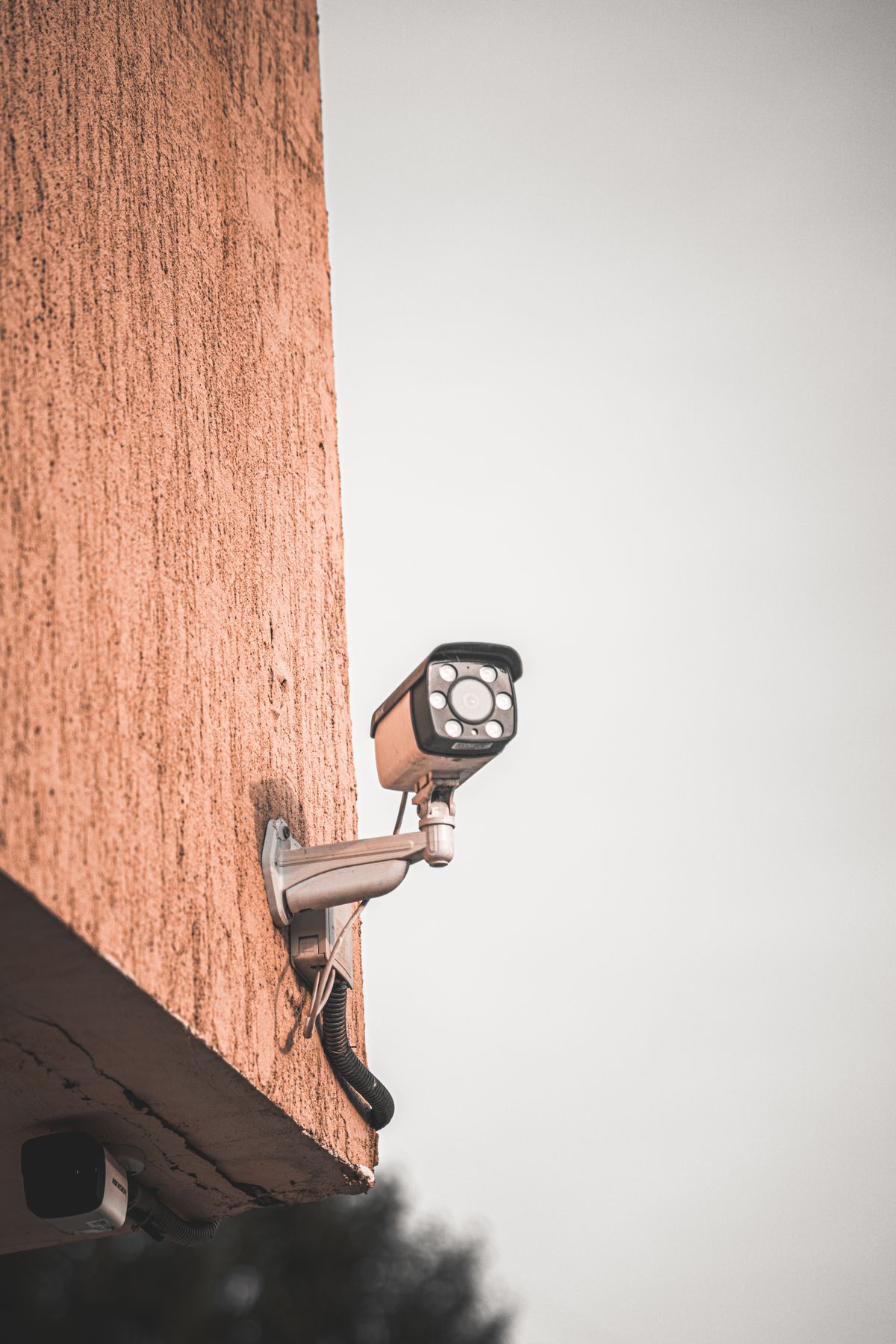
Illustrative image: Unsplash contributor on Pexels
A shop would struggle to defend the sale of hundreds of unapproved electrical products by pointing out that somebody else supplied them. Large online marketplaces have spent years arguing that their position is different. They provide the shelf, the search engine and the payment infrastructure while independent sellers provide the goods.
That distinction becomes less convincing when the product is an internet-connected security camera.
Reuters examined roughly 770 camera listings on Amazon India and Walmart-owned Flipkart. More than 700 were for models it could not match to a camera or brand in the Bureau of Indian Standards’ public approval database.
India has required surveillance-camera manufacturers to submit hardware and software for testing before sale since April 2026. The rules were introduced amid concerns that vulnerable or deliberately compromised products could provide remote access to video or a route into other devices on the same network.
After Reuters raised its findings, Amazon and Flipkart began reviewing the affected listings, according to people familiar with the checks. At least a dozen products were subsequently removed, although hundreds reportedly remained available on 1 October.
This is partly a compliance question. Manufacturers need to determine whether a product falls within the rules, complete the required testing and ensure that the marketed model corresponds to the approved configuration. Sellers need to check that they are offering lawful products.
The marketplace’s moral responsibility is harder to dismiss.
Amazon and Flipkart organise listings, rank results, sell advertising, process payments and place selected products on promotional pages. Buyers are encouraged to trust the surrounding platform even when the legal seller is a third party. The platform benefits from that trust every time a customer completes a purchase.
A surveillance camera also creates risks that are not obvious from a product photograph or star rating. A buyer cannot readily examine firmware update arrangements, cloud routing, encryption, credential storage or the security of the associated mobile application. A low price can be checked immediately. A remote-access vulnerability may remain invisible until footage has already left the premises.
Certification cannot guarantee that a connected device will remain secure throughout its life. It can establish a minimum point of accountability and require a defined model to undergo a recognised process. Allowing products to be listed without that approval removes even that baseline.
The case against stronger marketplace responsibility often rests on scale. Millions of sellers and products make individual inspection impractical. That argument is weaker where a regulator maintains a machine-readable list of approved products. A platform capable of optimising advertising and product ranking at vast scale should be capable of matching a model number and brand against an official database.
Automated checks would still produce edge cases. Model names differ between markets, bundles acquire separate stock codes and sellers enter data badly. Those are reasons to create an exception and review process. They are not persuasive reasons to perform no effective check at all.
There is also a danger in treating deletion after a media investigation as adequate enforcement. Removal limits future sales but says nothing about products already delivered, whether customers will be notified or whether repeat listings will appear under altered names.
A credible response would include an audit of past transactions, direct notification where an approval cannot be verified and controls that stop the same hardware returning under a new listing. Platforms could also expose the certification record beside the price and seller information, allowing buyers to check it before purchase.
The responsibilities of the manufacturer, seller and marketplace are not identical. Nor are they mutually exclusive. A platform does not design the camera or write its firmware, but it decides what can enter its catalogue and how prominently it is presented.
Once a business has the ability to prevent a foreseeable harm, profits from the transaction and is trusted by the buyer, “we only host the seller” becomes a legal argument rather than a satisfactory moral one.
Amazon declined to comment to Reuters and Flipkart did not respond. Hikvision and Dahua also did not respond to its questions. Maizic Smarthomes said it had removed Wi-Fi functionality from certain cameras while seeking approval and later said the rules did not apply to many of its products. It said products requiring clearance had been removed while approvals were pending.
Those responses and the exact scope of the Indian requirements should be represented carefully. Absence from the database is evidence that Reuters could not verify an approval. It is not, without further investigation, proof of a deliberate breach by every manufacturer or seller involved.
The broader question remains. If an online marketplace can identify the product, calculate the customer’s likelihood of buying it and deliver it within hours, it should be able to ask whether a security camera has passed the approval required for it to be sold.