US opens consultation on UWB sensing and measurement rules

The US Federal Communications Commission’s proposed overhaul of ultra-wideband device rules has entered the Federal Register, with comments due by 2 December 2026 and replies by 4 January 2027. The proceeding, ET Docket 26-245, includes a proposed location-sensing category and changes to measurement procedures that have repeatedly required individual waivers. [1]
The 2 November publication establishes the consultation timetable for the earlier FCC proposal. It does not put the proposed technical changes into force.
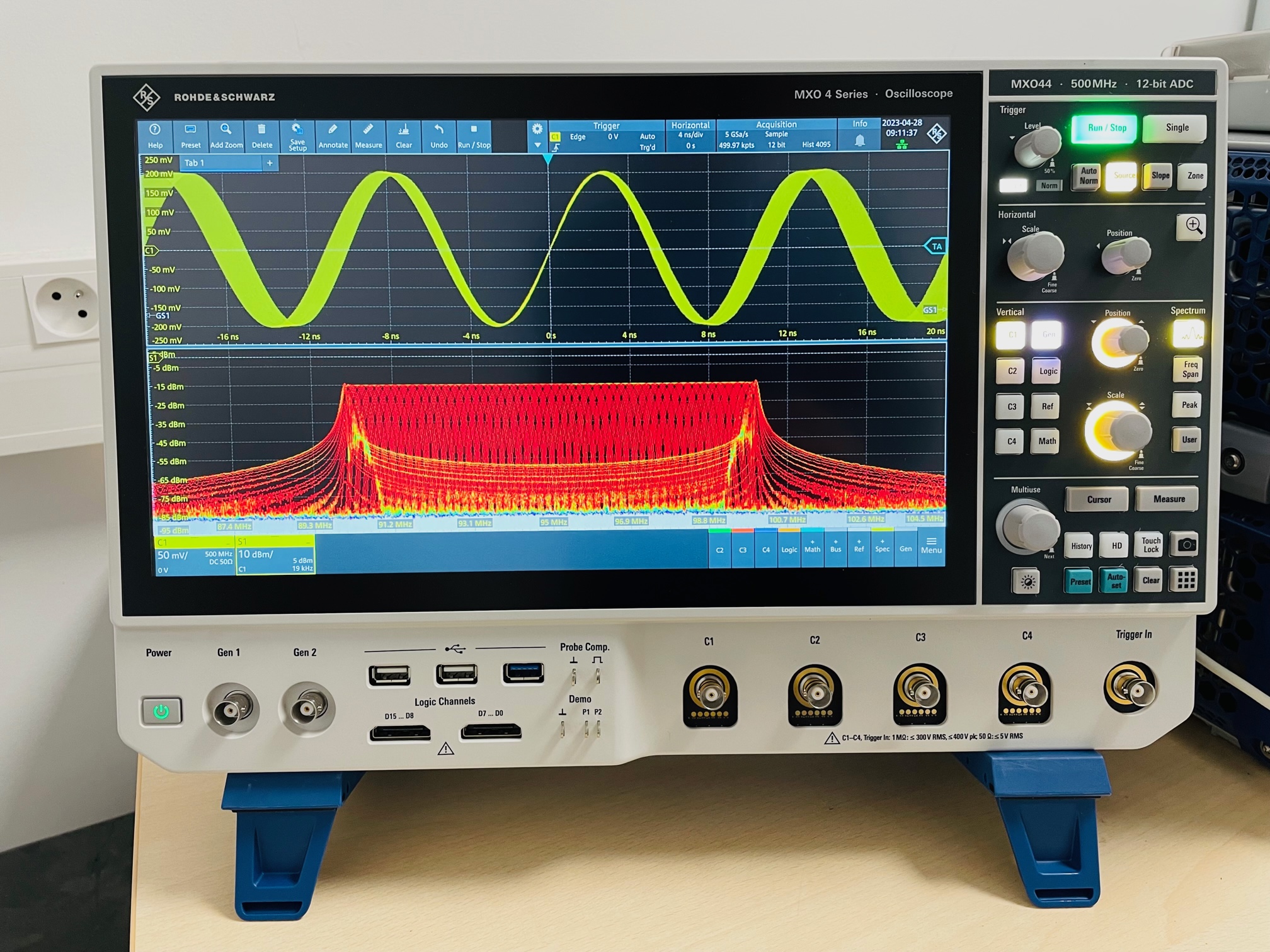
Testing a frequency-agile transmitter
The current definition qualifies a transmitter through either fractional bandwidth of at least 0.20 or UWB bandwidth of at least 500 MHz. The bandwidth is measured between points 10 dB below the highest radiated emission and includes the complete transmission system, antenna included. [2]
That makes the radiated result part of the definition. A conducted measurement at an RF connector cannot by itself establish the complete system’s UWB bandwidth, because the antenna changes the frequency response seen in the radiated measurement.
The proposal addresses a related difficulty with swept, stepped and sequenced waveforms. It would exempt UWB devices from the general requirement to stop a frequency sweep for measurement and allow pulse-gated devices to be measured in normal operating mode, without stopping the hopping, stepping or sequencing function. [1]
The FCC is asking for evidence that revised procedures would still protect other spectrum users. It specifically raises aggregate noise-floor effects and coexistence, so a more representative test method is being considered alongside its interference consequences.
A category beyond the existing classifications
Current Part 15 Subpart F requirements distinguish ground-penetrating and wall-imaging equipment, through-wall imaging, surveillance systems, medical imaging, vehicular radar, indoor devices and handheld devices. Their permitted operation and technical requirements vary by category. [2]
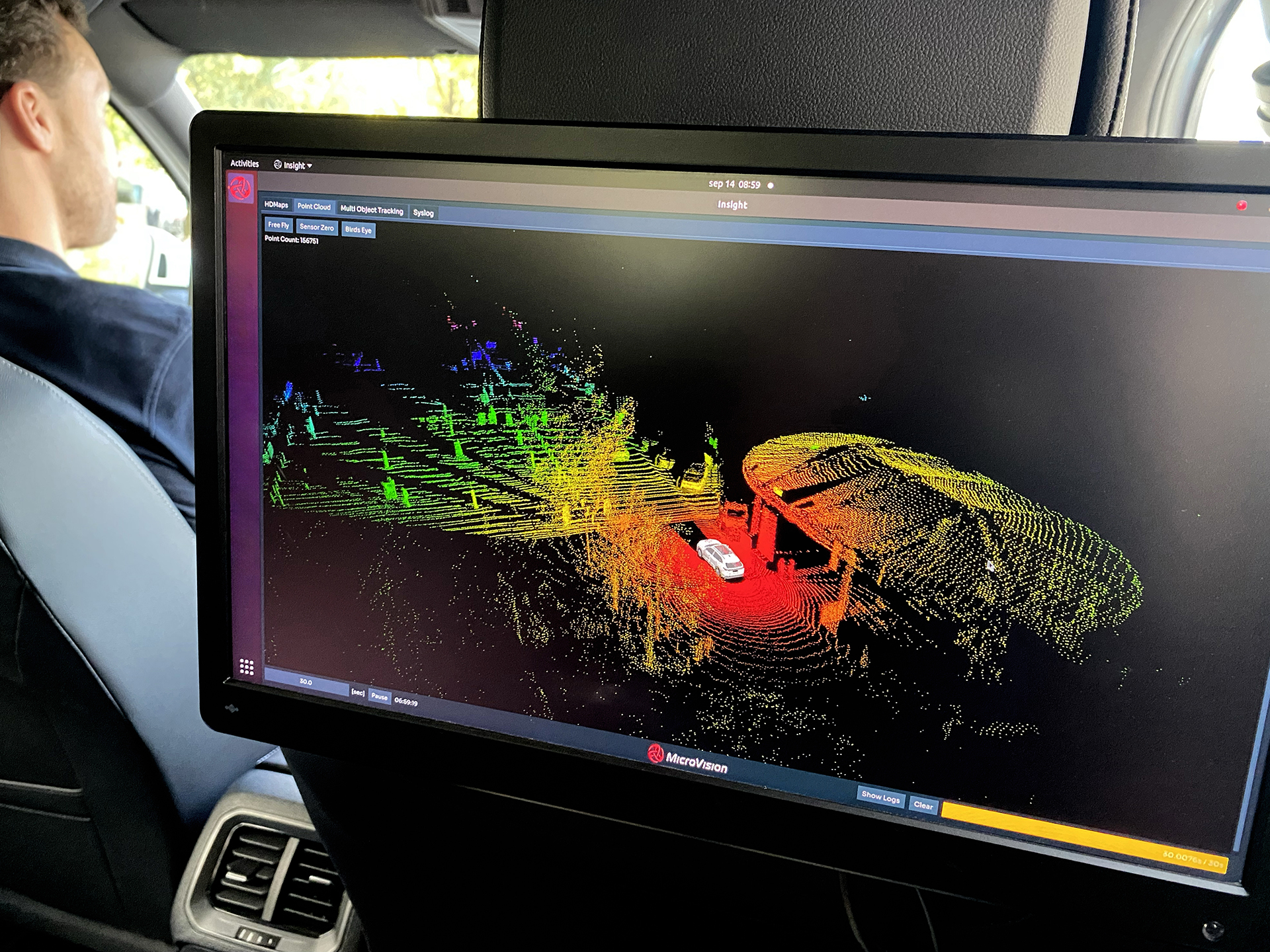
The proposed location-sensing category is intended to accommodate equipment that has reached the market through repeated waiver proceedings. That could give qualifying designs a more predictable certification route if the FCC adopts suitable rules, although the proposal does not yet establish a final set of conditions. [1]
A new classification would affect which operating restrictions and tests attach to a device, rather than merely change its description on a certificate. An antenna arrangement, transmission sequence or deployment method can be integral to compliance, even when two products use similar radio hardware.
The proceeding remains open to technical comments. Existing requirements and the conditions of any applicable device-specific waiver continue to govern operation while the FCC considers the proposed changes.
Sources
- Federal Register, FCC proposed UWB rules, document 2026-22337, 2 November 2026
- eCFR, 47 CFR Part 15 Subpart F, existing UWB definitions and device categories
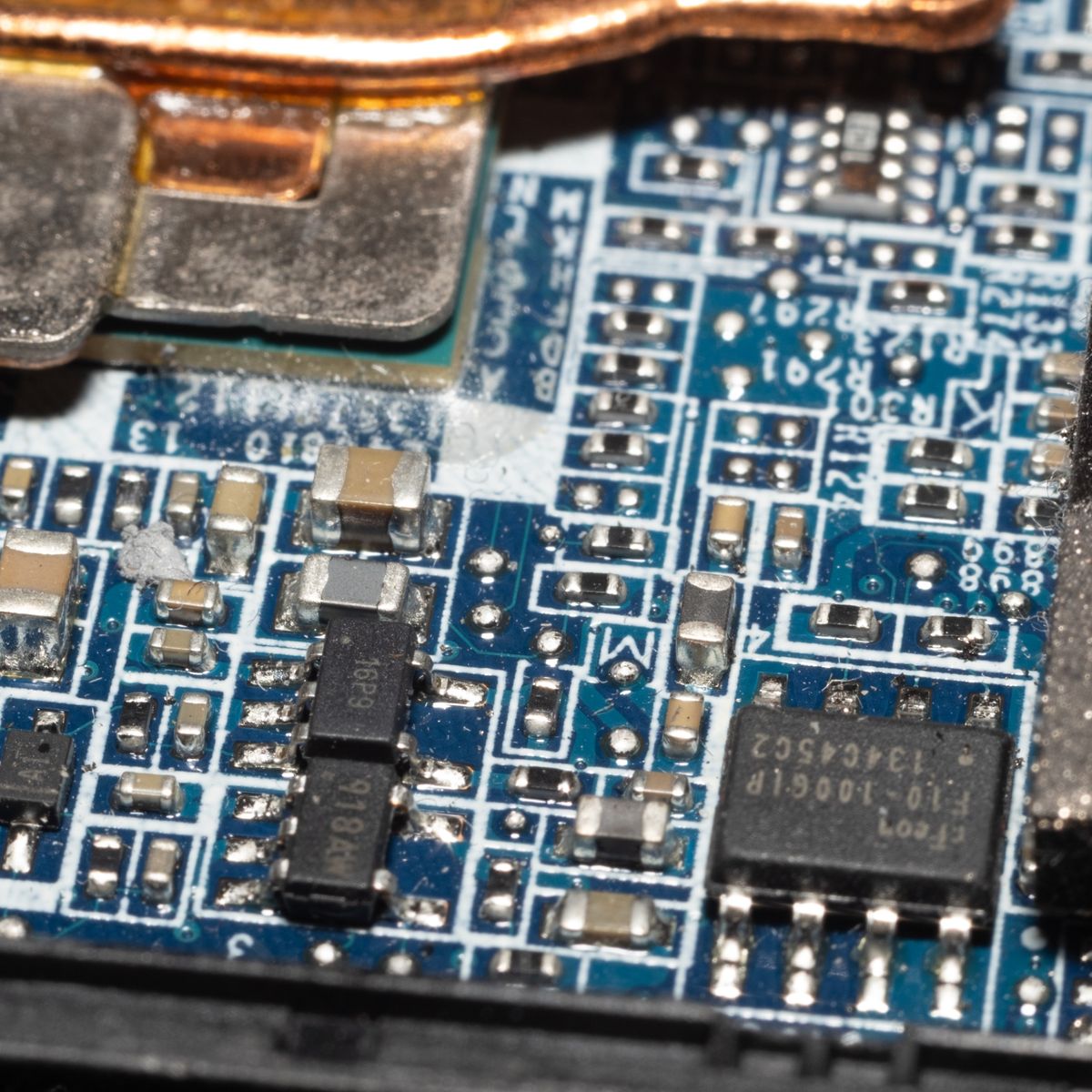
Image: UWB research board from Krapež et al., Sensors 2021, 21(7), 2294, Figure 1. Archive image, not equipment authorised by the proposed FCC changes. Original image unmodified. Credit: Peter Krapež, Matjaž Vidmar and Marko Munih / Open-access research image. Image source. CC BY 4.0.