SSC Space and NTT explore sharing optical ground stations
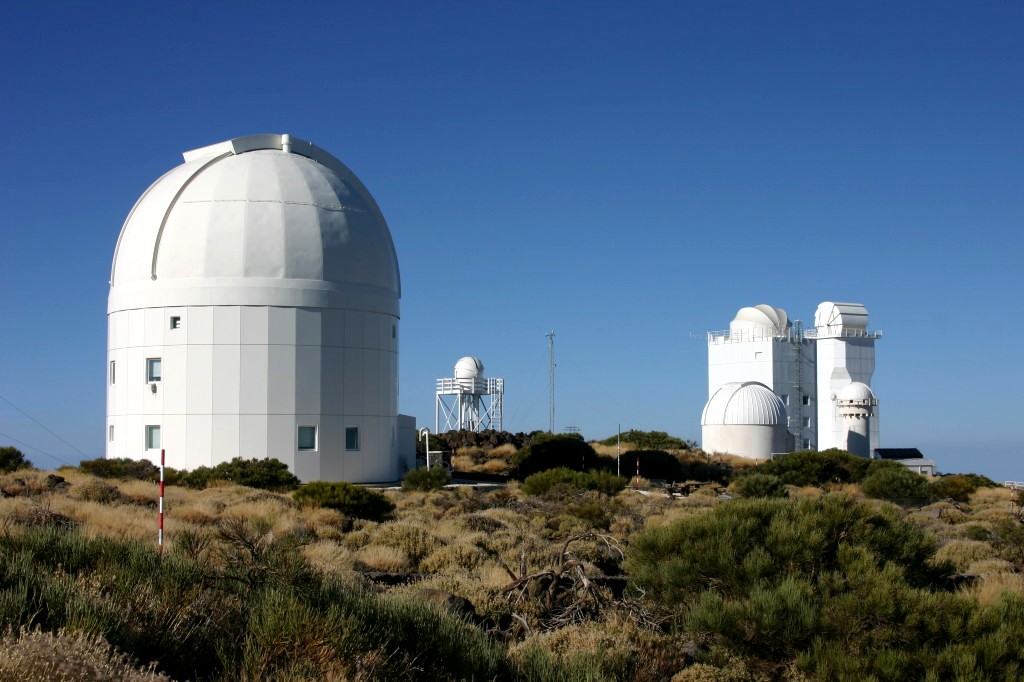
Image: H. Raab · CC BY-SA 3.0
SSC Space and NTT have signed a memorandum of understanding to study whether their optical communications systems and ground networks can work together. The study brings together SSC’s experience running receiving stations and NTT’s work in optical communications and network control. Both companies want to establish whether satellites can use stations in more than one country as part of the same service, giving them another place to send their data when clouds obscure the primary site.
A clear station is useful only if the satellite can see it during a suitable pass. Site selection therefore has to account for the orbit as well as the weather, and the ground network must carry the received data onwards whichever route the spacecraft takes. The study will look at whether NTT’s network and control technology can help direct those transfers between providers.
SSC already has equipment on which to build. In March, ESA announced that SSC’s Santiago station, built by Safran Space, had passed site acceptance testing and was ready to operate. ESA rates the two-way laser station at up to 10 Gbit/s and says its modems support CCSDS standards. It joins a station in Western Australia that started testing in 2025. The agreement with NTT is a feasibility study, with site choices and service arrangements still to be worked out.
ESA’s optical ground station at the Teide Observatory, Tenerife.