Dcubed expands production as its origami solar array heads towards a 2027 flight
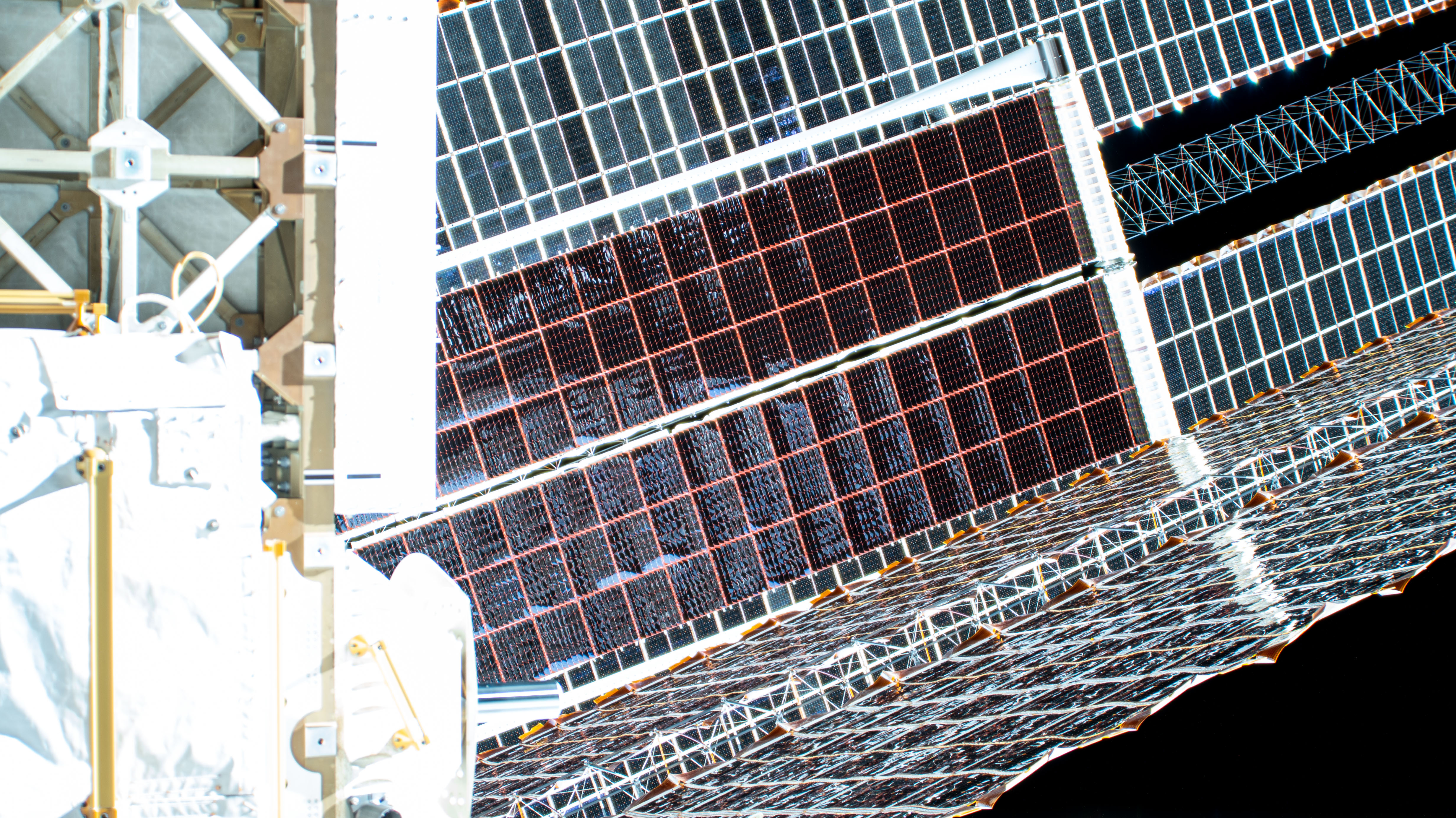
Image: NASA
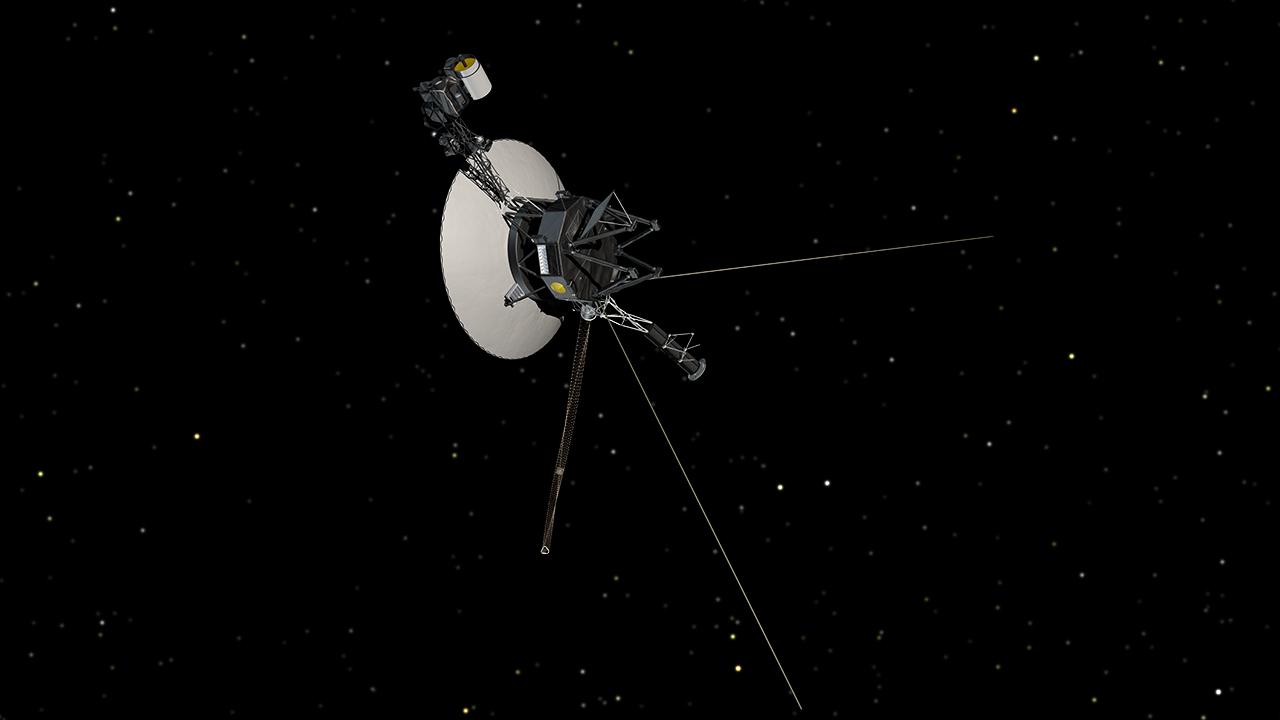
Dcubed plans to quadruple its manufacturing capacity in Germany and the United States as it prepares a 2 kW orbital demonstration of its ARAQYS Halo solar array in 2027. The expansion follows a €27.2m financing round and will fund production equipment, automation, staffing and supply chain capacity alongside development of the company’s higher power systems.
Halo folds a large photovoltaic area into a compact launch volume using a radial origami geometry. Once released, the array opens into a symmetric shape around the spacecraft, bringing the generating area closer to the central body than a conventional arrangement with long wings. Because moment of inertia depends on how far mass sits from the rotation axis, that geometry affects the torque needed to manoeuvre the spacecraft as well as the packaging of the array.
Dcubed is designing Halo around widely available silicon solar cells, aiming to cut cost per watt by a factor of 10 to 100. The planned ARAQYS-D3 flight, on a SpaceX rideshare, will test the 2 kW system in orbit and deploy a 10 metre boom manufactured in space. The cost reduction remains a development target ahead of that demonstration.
Generating power and transmitting it
The mission will also carry five power beaming partners, connecting the solar array programme to experiments in transmitting energy beyond the spacecraft that generates it. In March, Dcubed named ORiS, TerraSpark and Volta Space Technologies among the participants, with payloads intended to demonstrate both optical and radio frequency transmission.
The partners approach that transmission in different ways. ORiS is developing laser power beaming for satellite operators, TerraSpark is working on RF transmission of space-based solar energy to Earth and Volta is developing optical wireless power for lunar operations. Their payloads will share an Astro Digital satellite platform, with ARAQYS-D3 providing a flight demonstration of generation and transmission together.
Halo is one branch of the ARAQYS family. Dcubed is also developing Flex Wing, a linear array compatible with conventional spacecraft buses and solar array drive assemblies. Keeping the two geometries in the range allows the company to address spacecraft designed around long deployable wings as well as platforms built around Halo’s radial layout. Dcubed identifies radar payloads, communications satellites and orbital manufacturing among the intended high power applications.
The advanced arrays build on an existing catalogue of release actuators and smaller solar systems. Dcubed’s CubeSat range includes an 8 W panel measuring 0.08 × 0.34 m and weighing 120 g, with deployment using its own hold-down and release mechanisms. Its ESPA-class range extends to a 400 W panel measuring 1.23 × 1.11 m and weighing 6 kg, offered in body-mounted or deployable configurations.
Founded in 2019, Dcubed operates in Germering, Germany and Berthoud, Colorado. The latest round was led by Warsaw Equity Group, with backing including the EIC Fund, HTGF and BayBG. “Expanding production in Germany and the United States will allow us to deliver even faster,” said founder and chief executive Thomas Sinn.
Sources: HTGF: original production and financing announcement, 18 November 2026; Dcubed: ARAQYS Halo and Flex Wing architecture; Dcubed: power beaming partners, 23 March 2026; Dcubed: COTS solar array panel specifications.