Micron’s customer commitments show how tight advanced-memory supply has become
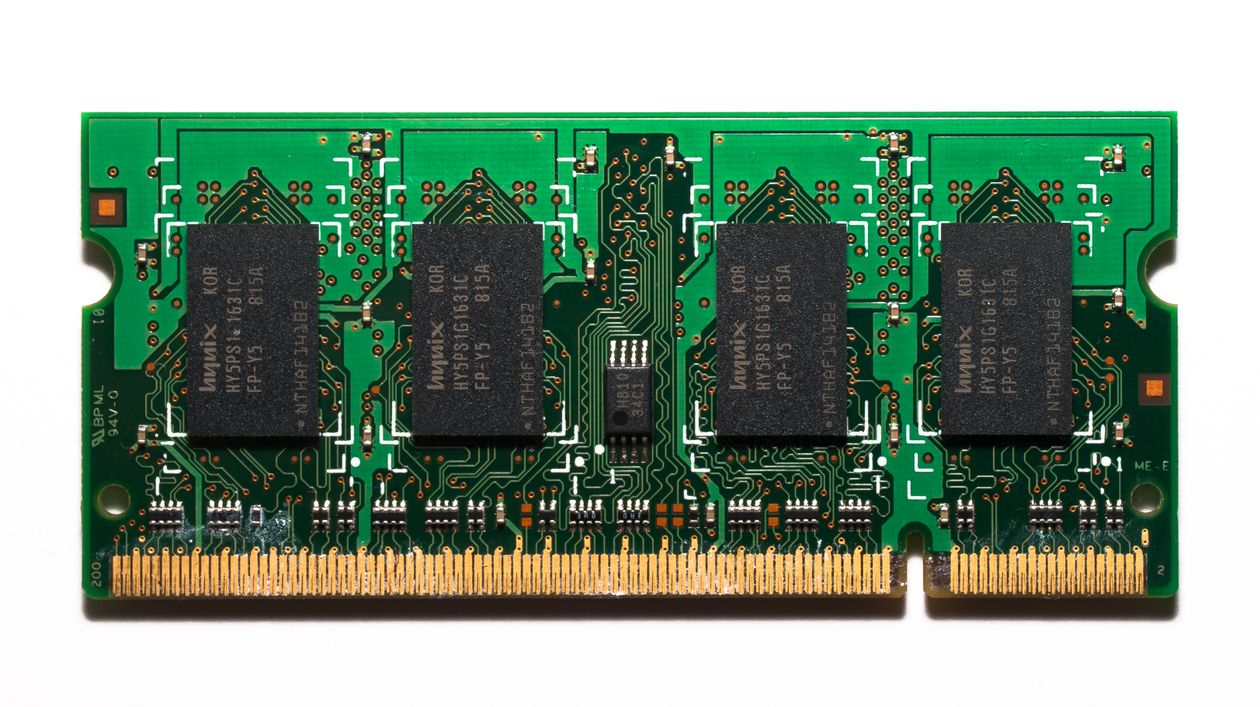
Illustrative image: Unsplash contributor on Pexels
Micron Technology’s fiscal 2026 results describe a memory market in which major customers are committing earlier and for longer periods to secure advanced supply. The company referred to long-term supply agreements and customer deposits as it plans capacity for high-bandwidth memory and other advanced DRAM products.
Those arrangements are significant because they move part of the market away from shorter purchasing cycles. Deposits and multi-year commitments give the supplier greater visibility when allocating capital, wafer starts, packaging capacity and test resources.
HBM changes the allocation problem
Demand from AI accelerators has increased the importance of high-bandwidth memory. HBM also draws on advanced DRAM fabrication, through-silicon-via processing, die stacking, packaging and test capacity. Expansion is consequently constrained by more than wafer output alone.
Capacity directed towards HBM can affect the economics and availability of other DRAM products, particularly where manufacturing and back-end resources overlap. Micron’s comments do not establish a market-wide shortage, but they show how customer commitments are becoming part of capacity planning.
Commitments redistribute risk
Long-term agreements can improve supply visibility for both parties. They can also shift a portion of demand risk to the customer when product volumes, architectures or memory specifications change before the commitment expires.
The commercial meaning depends on terms that Micron has not detailed publicly, including whether deposits are refundable, whether volumes are tied to named products and how pricing or allocation can be reset. The broader signal is clear: access to advanced memory is increasingly being negotiated alongside future capacity rather than after that capacity reaches the market.