Battery sourcing under the UK-EU rules due in 2027
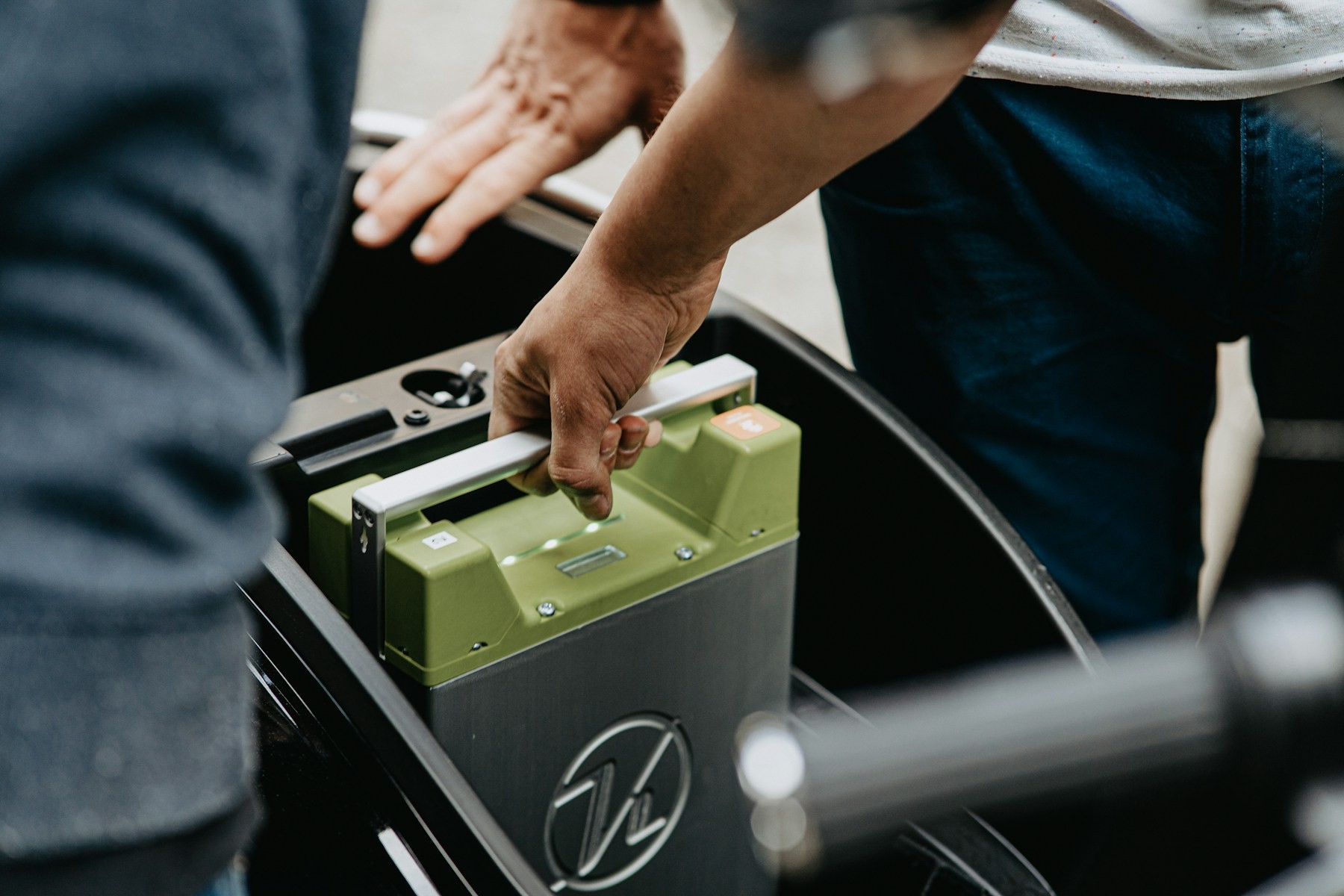
Illustrative image: Kumpan Electric on Unsplash
The UK-EU rules governing preferential origin for electric vehicles and traction batteries are scheduled to change on 1 January 2027.
The current transitional arrangements run until 31 December 2026. They include a route allowing battery packs to be assembled from non-originating cells or modules, alongside alternative product-specific tests. The Partnership Council’s decision replaces those temporary provisions with the Trade and Cooperation Agreement’s permanent rules from 2027.
For a battery supply chain, the relevant question is where the product originates under those rules. The country from which it is dispatched does not answer that question. Buying a cell from a UK warehouse, for example, does not establish UK preferential origin.
Cells, packs and vehicles have separate tests
A battery cell, an assembled traction pack and a completed vehicle are different products for origin purposes. Their classifications and applicable manufacturing or value rules must therefore be considered separately.
The European Commission’s explanation of the agreement states that the permanent rule for plug-in hybrid and electric cars also requires their propulsion battery packs to be originating. Battery sourcing can consequently affect the preferential status of the finished vehicle, rather than simply the customs treatment of a separately traded pack.
This gives material origin and manufacturing records a role alongside the technical bill of materials. Two electrically equivalent cells may contribute differently to an origin assessment if their production histories differ.
The evidence moves through the supply chain
HMRC’s guidance explains how suppliers’ declarations support proof of origin. A manufacturer may need declarations for materials used in production or for goods bought and re-exported. Where a declaration is required, the exporter must hold it when issuing proof of origin.
The evidence can describe originating goods or processing performed on non-originating materials. For bilateral cumulation between the UK and EU, the agreement provides specific declaration wording. A long-term declaration can cover regular consignments with the same originating status, but the supplier must notify its customer if that declaration ceases to be valid.
The documentation must therefore track changes in the actual supply chain. A substitute cell, a revised manufacturing route or a different source of material can require a fresh assessment even where the battery’s electrical specification remains unchanged.
HMRC requires exporters making a statement on origin for UK-EU trade to retain the statement and supporting records for four years. Those records can include suppliers’ declarations and invoices establishing that the product satisfies the applicable origin requirements.