Pylontech starts production of 588 Ah and 601 Ah LFP cells
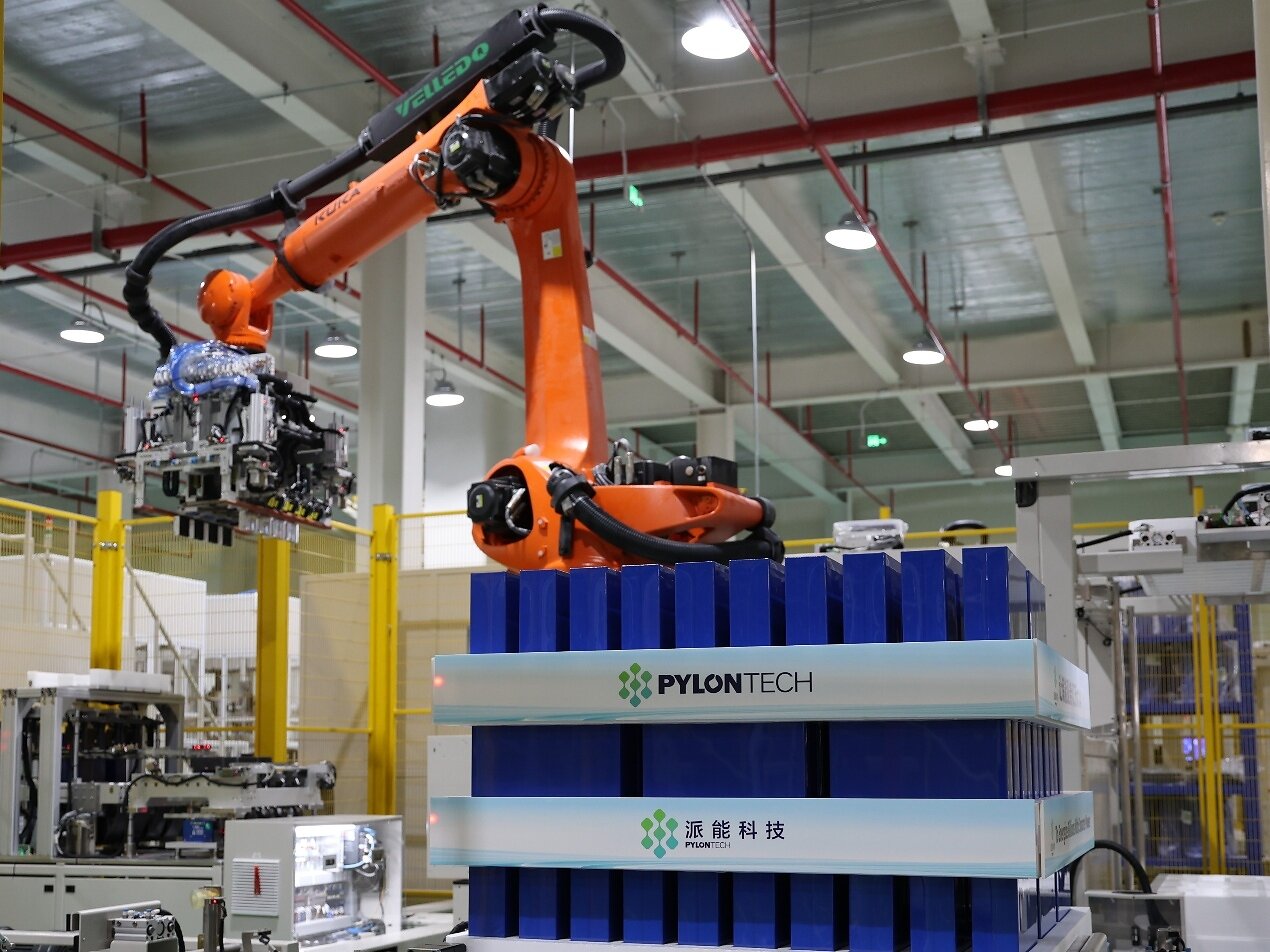
Image: Pylontech / PR Newswire
Pylontech says it has started series production of 588 Ah and 601 Ah prismatic lithium iron phosphate cells for large-scale energy-storage systems.
Production began on 21 September at the company’s Hefei plant, according to a Pylontech announcement issued on 23 September. The company says cumulative output of the two cell formats has already exceeded 100 MWh.
Larger cells change the system trade-offs
A higher-capacity cell can reduce the number of cells and electrical connections needed for a given storage capacity. Pylontech argues that this can support a more compact system, simpler assembly and lower lifecycle costs. The cells are intended for its next-generation 6.25 MWh and 8 MWh PyOcean storage systems.
Reducing component count can simplify parts of the pack architecture, but it does not automatically make the finished system easier to operate or service. Designers and buyers still need to consider fault isolation, thermal propagation, cell monitoring, replacement strategy and the effect of a single cell on a larger section of the system.
Pylontech lists an energy density of 425.8 Wh/l, more than 12,000 cycles and energy efficiency of up to 96.5% for the 601 Ah cell. These are manufacturer specifications. The announcement does not provide the full test conditions, degradation limits or independent qualification evidence needed to compare them directly with another cell.
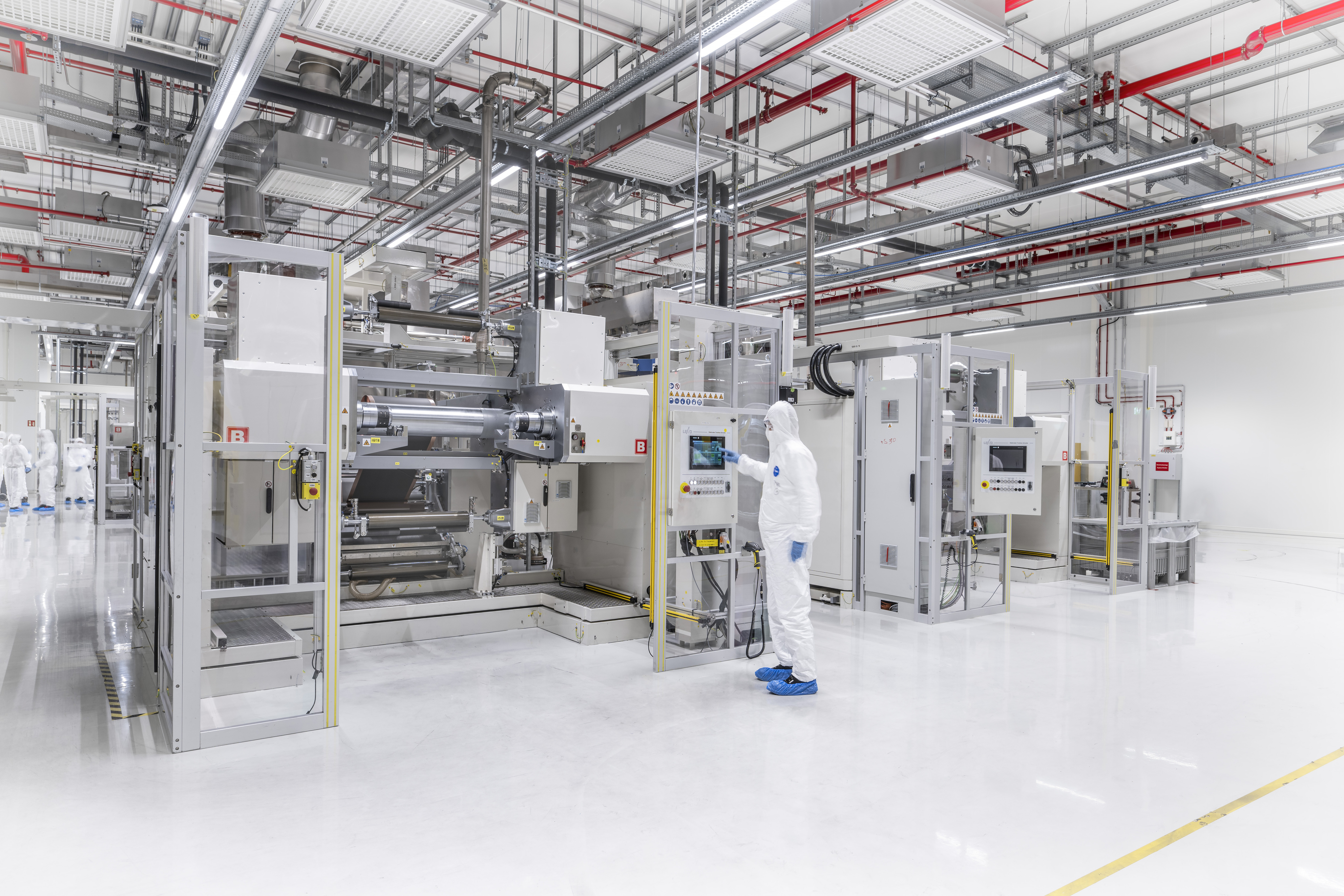
The Hefei line uses more than 120 industrial robots and 180 pieces of manufacturing equipment, according to Pylontech. Its manufacturing execution system records process and quality data for cell traceability.
For prospective customers, the next checks are production consistency, safety and cycle-life evidence, approved system configurations, warranty terms and the availability of cells over the expected project life. The reported production start and output have not been independently verified by The Electronics Brief.