Buying surplus components: who handles a warranty claim?
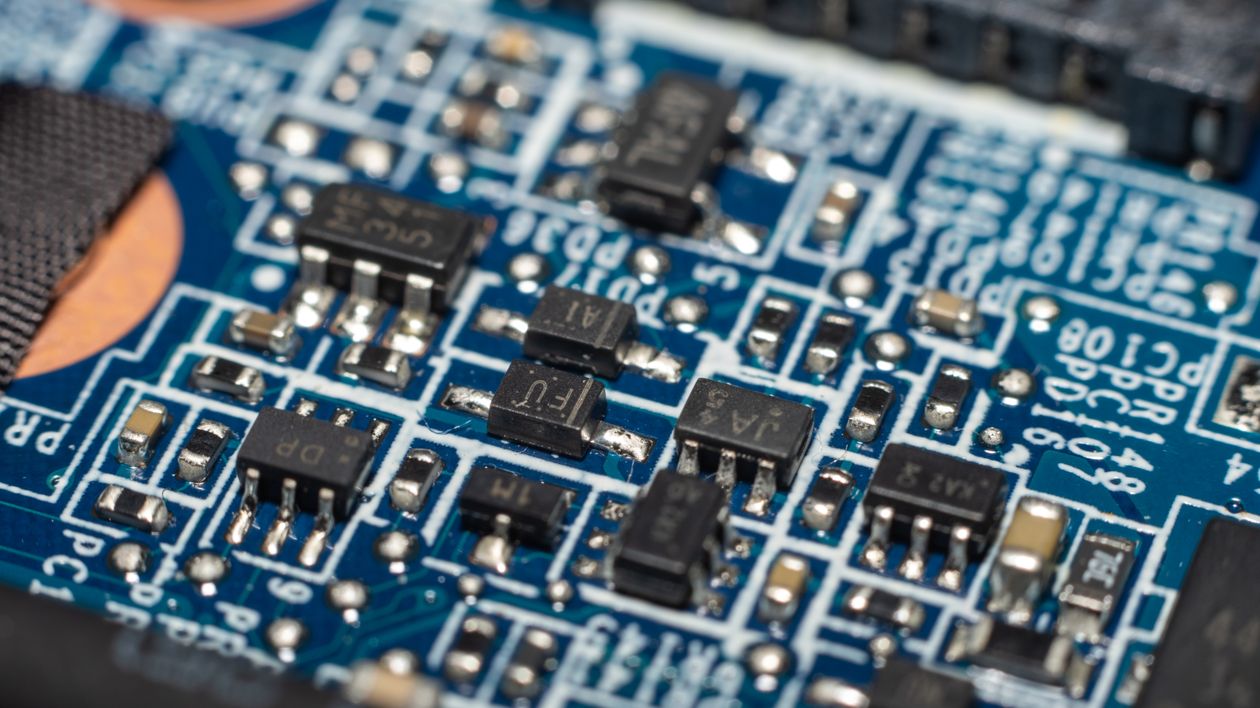
Illustrative image: Unsplash contributor on Pexels
Texas Instruments will not provide warranty cover or customer support for semiconductor products bought outside its authorised sources, while Murata also excludes purchases through unauthorised channels from its warranty. A reseller may offer its own cover on the same material, but that leaves the claim with a different company and potentially on different terms.
That distinction belongs in the quotation, even when the stock has a documented history. Traceability can establish the route by which a lot reached the seller; it does not establish that the original manufacturer will accept a claim from the next owner. The evidence supporting the material and the agreement supporting its purchase need to be read together.
The issue is becoming more relevant as suppliers encourage customers to consider surplus inventory. In its 27 October commentary, Sourceability describes stock left after cancelled programmes, revised forecasts and non-cancellable orders as a possible source of supply. Such material may answer an availability problem, although the support attached to the offer still depends on the lot, seller and agreed terms.
Where the manufacturer’s cover ends
Rochester Electronics is explicit about the distinction in its published terms. Products made by third parties, which it calls Standard Products, carry Rochester’s own warranty rather than one extended by the original manufacturer. The stated period is 12 months after delivery, covering conformity with published specifications.
For a defect or nonconformance confirmed by Rochester, the company can issue a credit, repair the product or replace it, with the choice resting with the seller. Its exclusions include defects arising from improper storage, handling and alterations. An authorised supply relationship therefore still needs to be considered alongside the actual warranty being offered.
The delivery date also determines how much cover remains when the parts reach production. Material bought to support several years of builds may spend much of its warranty period in stores, so a twelve-month promise can expire long before the last devices are fitted. That may be an acceptable purchasing decision, but the order needs to reflect the period being covered.
Murata adds a specific restriction on the evidence accompanying its products: it says it will not offer quality assurance where label information has deliberately been removed or concealed. A photograph of a familiar package cannot supply the missing link between that device and its lot records.
Read the duration with the remedy
Astute’s published 2024 terms show how several forms of cover can sit within one purchase. They provide for passing through manufacturer warranties where those warranties are transferable and Astute is permitted to do so, then set a 12-month time limit for warranty claims. Products tested through its ACAP process carry a ten-year warranty, while work such as programming and tape-and-reel services has a separate 90-day provision.
A quotation offering ten years of cover therefore needs to identify the qualifying material and process. Any programming or repackaging work also needs an agreed specification, because a promise about the component and a promise about work performed on it may cover different failures.
The claim procedure can impose a much shorter deadline than the headline warranty period. Astute requires notification of visible discrepancies within five business days and a return material authorisation before products are returned; its remedies are selected by Astute. These are provisions in its published terms, whose application to a particular order depends on the agreed contract and applicable law.
The remedy deserves as much attention as the duration. A credit or replacement can settle the component claim while leaving board rework, investigation and interrupted production outside the recovery. If stock is finite, it is also worth establishing what happens when the seller accepts a claim but can no longer supply another lot.
Make the quotation specific enough to compare
An RFQ can resolve much of this before the order is placed by asking who provides the warranty, when it starts and what happens if a claim is accepted. The answer should refer to the material being quoted, with the exact ordering code and lot information connected to the source documents and any inspection or test reports offered.
Where testing supports the warranty, the report needs to describe its scope and acceptance criteria. Testing a sample leaves a different record from electrically testing every device, and neither description should be allowed to drift into the other as the paperwork passes between companies.
It is also worth agreeing who investigates a failure found after assembly and what evidence must be retained. That allows receiving inspection, production and quality to preserve the records required for a claim, rather than discover the requirement after components have been fitted or packaging discarded.
Two quotations with the same ordering code and unit price can consequently offer different levels of recourse. Comparing them requires the warranty provider, claim conditions and available remedies alongside the period for which the stock is intended to support production.
Sources
- TI: anti-counterfeit policy and warranty scope
- Murata: avoiding counterfeit products
- Rochester Electronics: terms of sale, sections 5 and 7
- Astute: published terms of sale, sections 6–8
- Sourceability: excess inventory commentary, 27 October 2026
Image: Illustrative circuit board. The photograph does not identify surplus, counterfeit or defective components. Photograph: Ivan Chumak / Pexels. Display copy resized; no crop. Image source. Licence.