SpaceX's 800MHz deal brings the satellite link closer to ordinary mobile hardware
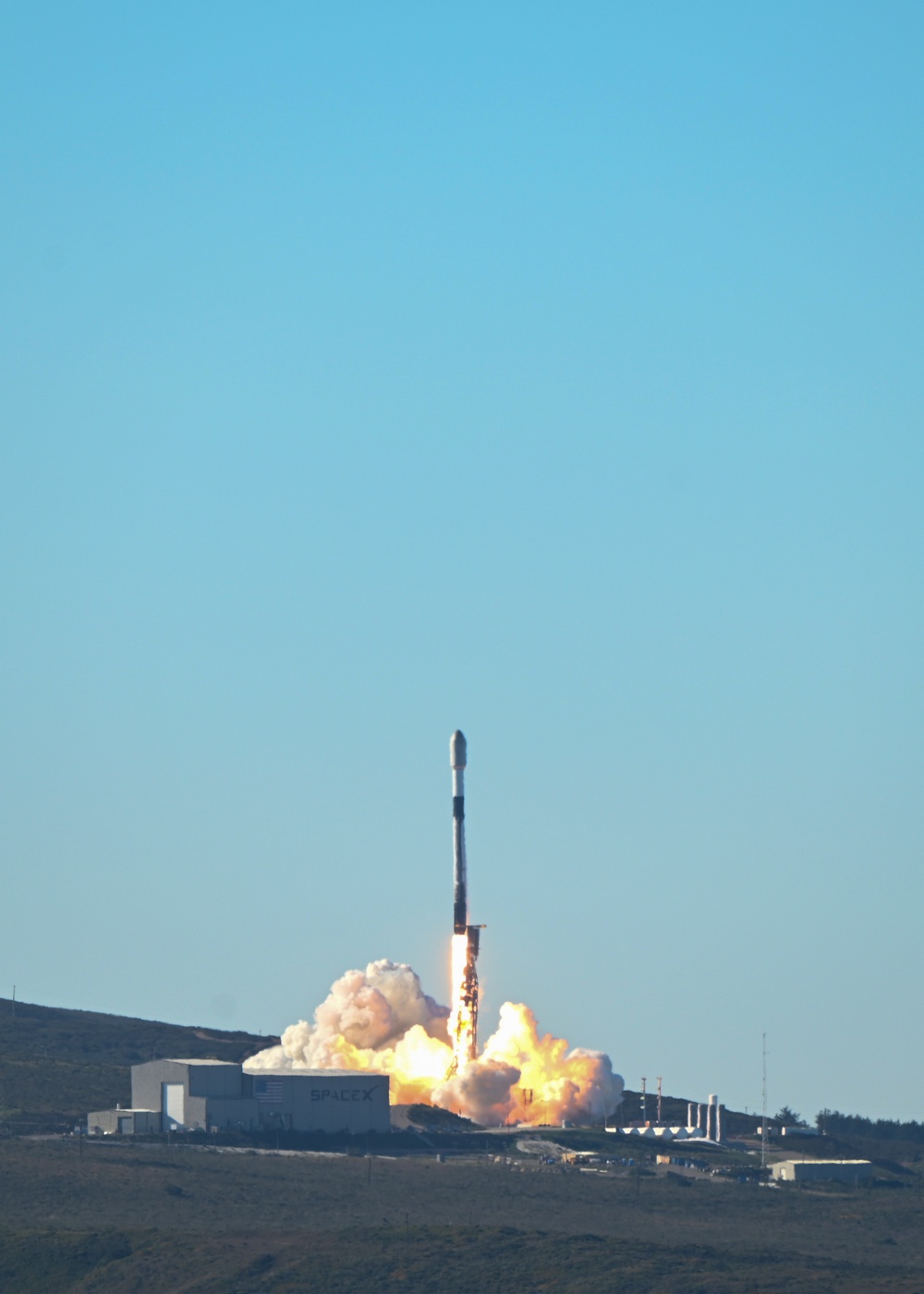
SpaceX has agreed to acquire Grain Management's nationwide US 800MHz spectrum portfolio, adding another building block to its direct-to-device mobile network. Grain announced the transaction on 8 October, describing a plan to support Starlink Mobile connections from the ground and space. Completion requires FCC approval and other closing conditions.
The deal concerns licences to use radio frequencies. Its engineering significance lies in connecting those frequencies to an existing ecosystem of antennas, filters, power amplifiers and cellular modems, rather than requiring every user to carry a dedicated satellite terminal.
Low-band operation changes the physical dimensions of that problem. At 800MHz, a free-space wavelength is approximately 37.5cm and a quarter wavelength is about 9.4cm. These are calculated reference lengths, not the required size of a handset antenna: practical antennas use loading, matching networks and the device structure to fit into a much smaller enclosure.
The same calculation illustrates why a frequency allocation cannot be considered separately from antenna efficiency. A compact radio can support a band on paper while losing valuable link margin through enclosure effects, orientation or poor matching. A satellite link has much less tolerance for avoidable losses at the user end than a nearby terrestrial base station.
Keep the handset familiar, move the complexity into orbit
SpaceX's published account of its initial Direct to Cell work describes the constraint plainly. It chose standard LTE protocols so existing phones could connect without hardware modifications. The satellite payload therefore had to accommodate low handset transmit power, limited antenna gain and a rapidly moving endpoint hundreds of kilometres away.
That earlier payload used custom silicon, large phased arrays and an onboard LTE modem. SpaceX identified Doppler, timing, latency and handover as major challenges. These are documented features of the initial architecture, not specifications for a newly announced 800MHz payload.
The distinction matters. Buying spectrum does not establish a new satellite radio's sensitivity, beam configuration or available capacity. Nor does the portfolio announcement identify a complete list of supported handset models. Compatibility depends on the particular bands, network configuration and approvals as well as the broad description of an LTE-capable device.
A shared radio environment
Grain acquired the portfolio from T-Mobile in August 2026. Its sale announcement refers to the FCC's earlier decision establishing a conditional route towards direct-to-device deployment and integration with terrestrial services.
The emerging system is therefore a radio network with both terrestrial and space elements. Antenna performance, receiver selectivity and unwanted emissions remain part of the same coexistence problem, even when the base station is overhead.
The spectrum agreement gives SpaceX a defined low-band asset around which to develop that network. The next technical evidence will be the authorised operating conditions and the equipment characteristics that turn the licence portfolio into a functioning link.
Sources
Grain transaction announcement; SpaceX's initial Direct to Cell technical account; Starlink mobile architecture.