Selecting a 300 W railway converter across 24 V, 48 V and 110 V supplies

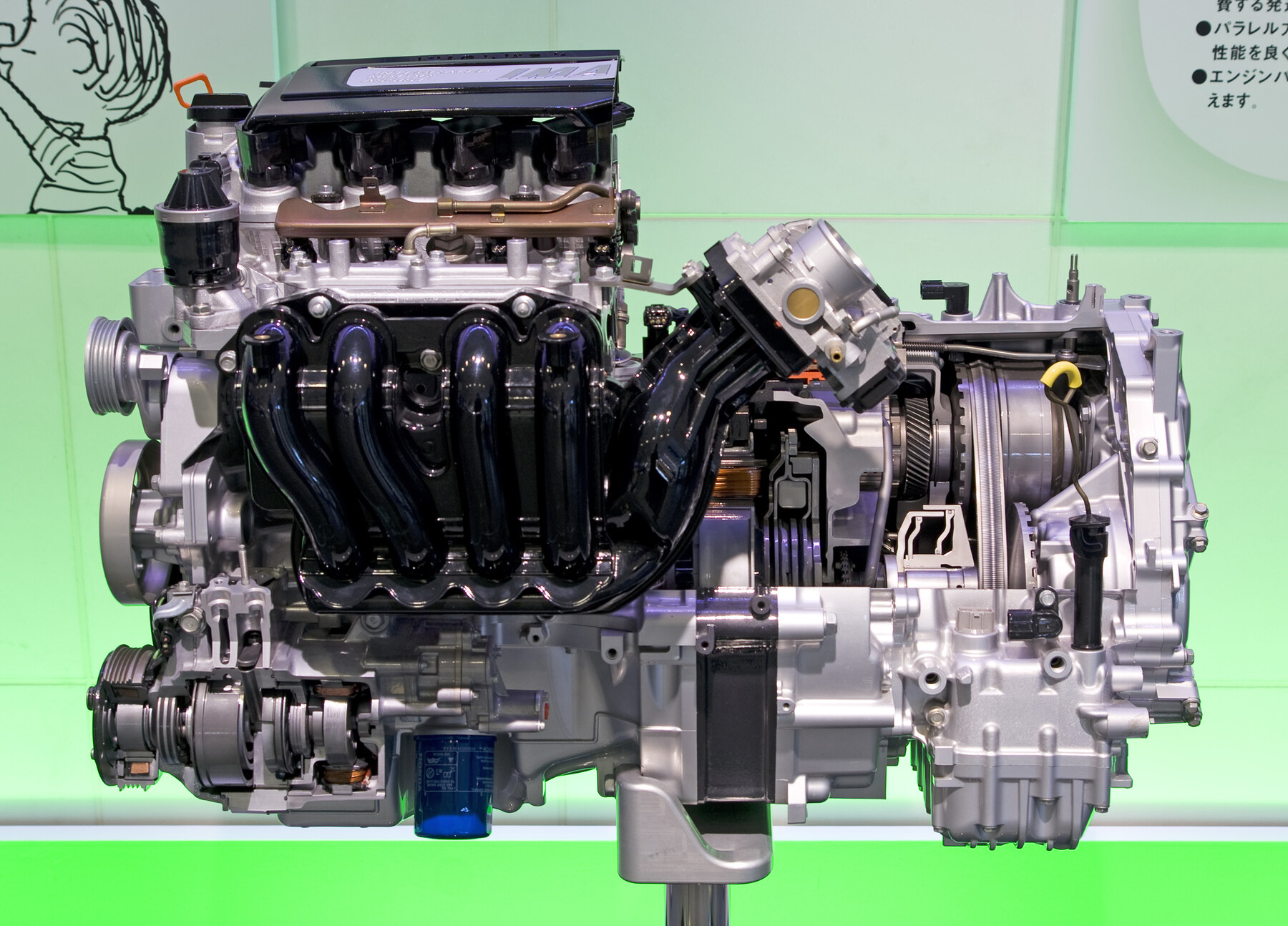
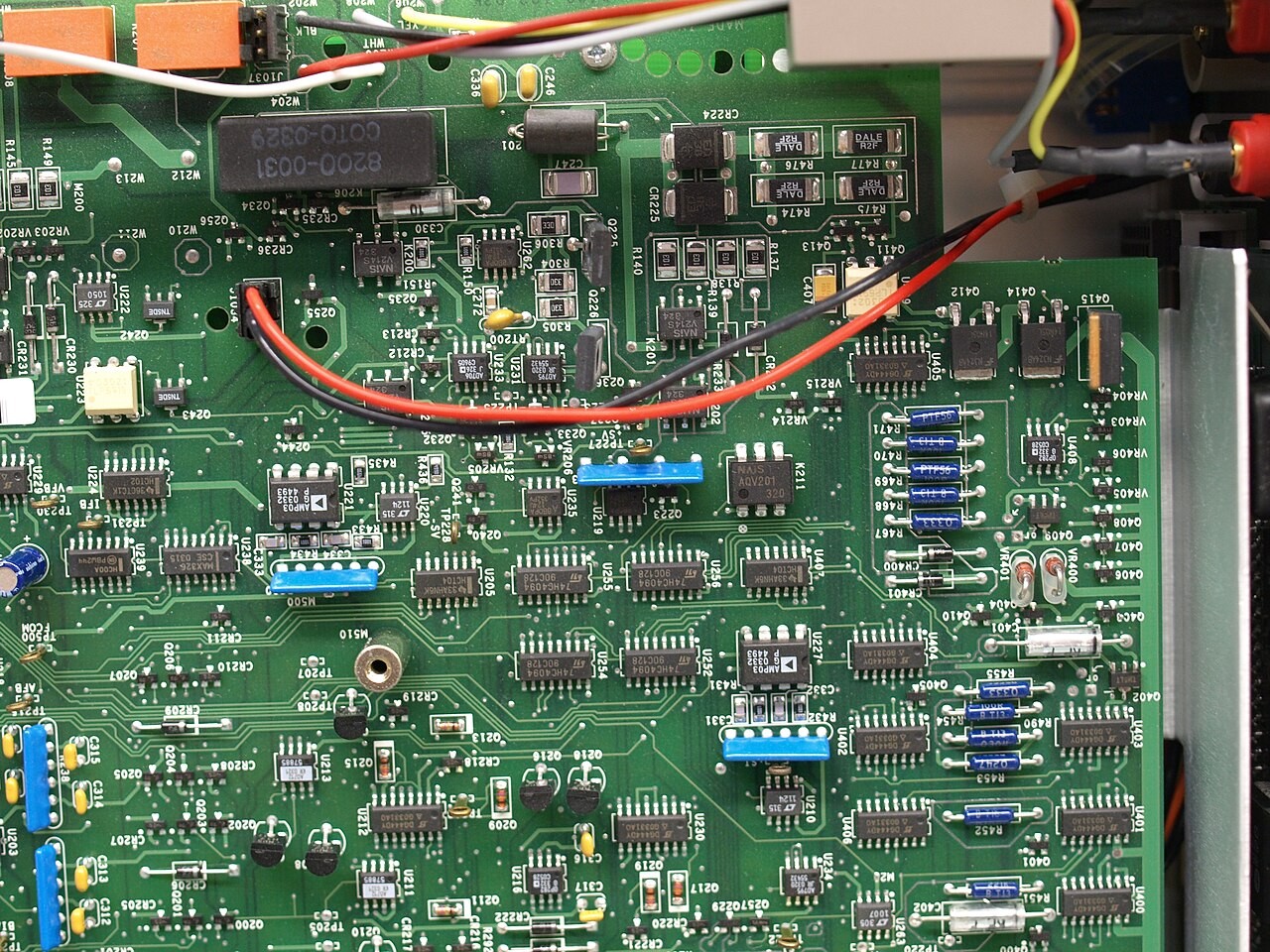
Image: Chris McKenna (Thryduulf) / · CC BY-SA 4.0
RECOM’s 300 W RP300H railway converters fit the same space across three nominal supplies, but a change from 48 V to 110 V reaches further than the input pins. The 24 V and 48 V versions accept 9–36 V and 18–75 V respectively with basic isolation. On a nominal 110 V supply the corresponding part accepts 40–160 V and uses reinforced isolation. RECOM quotes 3 kV DC from input to output for the series; the common test voltage alone does not identify which barrier a particular version provides.
Seven output options span 5 V to 54 V. The 110 V input, 24 V output RP300H-11024SRW/N illustrates how the power limit interacts with trimming. At its nominal setting the module can supply 12.5 A, giving the full 300 W. Raising the set point to its 26.4 V maximum would put a 12.5 A load at 330 W; staying within 300 W at that voltage limits the load to about 11.36 A even before thermal derating.
A trim pin changes the output set point, whereas the remote-sense connection takes its feedback from the load. Taking feedback at the load lets the regulator compensate as the voltage drop along the power leads changes with current. A fixed trim adjustment that restores 24 V at full load would still be present when the current falls. The /N model uses negative logic on its remote on/off input; the family also offers positive logic.
The bare module occupies 61 × 57.9 mm and stands 12.7 mm high. A factory-fitted heatsink trades additional height for cooling in installations with room above the board. RECOM specifies operation from −40°C to 105°C subject to derating and quotes peak series efficiency of 92.5%. Meeting the documented EN 55032 Class A emissions performance also requires external components. RECOM’s board layout and EMI note sets out the external circuit; the module drawing supplies the dimensions needed to fit it.
Sources: RECOM: family announcement; RECOM: 110 V input, 24 V output model.