SAKI adds underside 3D inspection without turning the board over

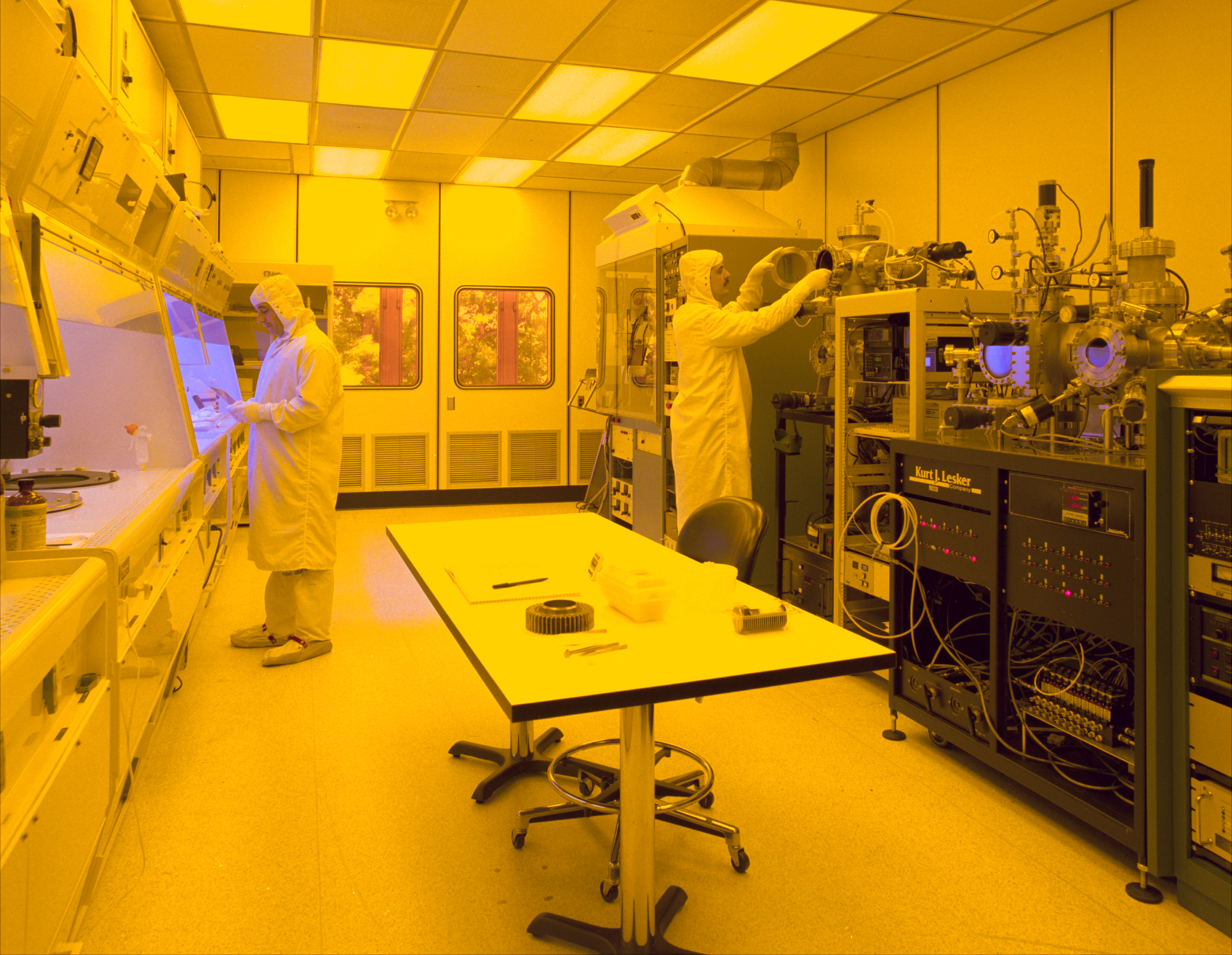
Image: SAKI Corporation
SAKI’s 3Di-LS3BX brings automated 3D inspection to the underside of an assembled PCB after selective, wave or dip soldering. Boards pass through the machine in their existing orientation, removing the need for a separate flipping operation before inspection.
The system measures through-hole solder fillets and pins, using height information to distinguish defects that can be difficult to judge from a flat image. Its inspection algorithm covers non-wetting, pinholes and solder bridges; SAKI also identifies excessive solder as an application for the 3D measurement.
Reflective solder surfaces receive dedicated dome lighting. The machine combines this with a rigid gantry and full-board image capture, allowing it to look for solder balls and foreign objects beyond the expected component locations. SAKI specifies detection of solder balls down to 200µm.
The mechanical envelope accommodates assemblies that have already acquired bulky connectors, inserted components or fixtures. Top-side clearance is 140mm, with 35mm below the board. Standard board handling covers sizes from 50 × 100mm to 510 × 510mm; a two-step scan extends the supported length to 720mm. A weight-transfer conveyor option supports loads up to 12kg, compared with 2kg on the PCB conveyor rail.
Specified inspection resolution is 15µm. That describes the imaging specification, separately from the 200µm solder-ball detection figure.
Inspection programs can be generated from solder-mask Gerber files. The machine uses the same software platform as SAKI’s solder-paste and post-reflow optical inspection systems, and a return conveyor can fit beneath it without a separate board inverter.