Raspberry Pi Desktop returns on 64-bit Debian Trixie for x86 PCs
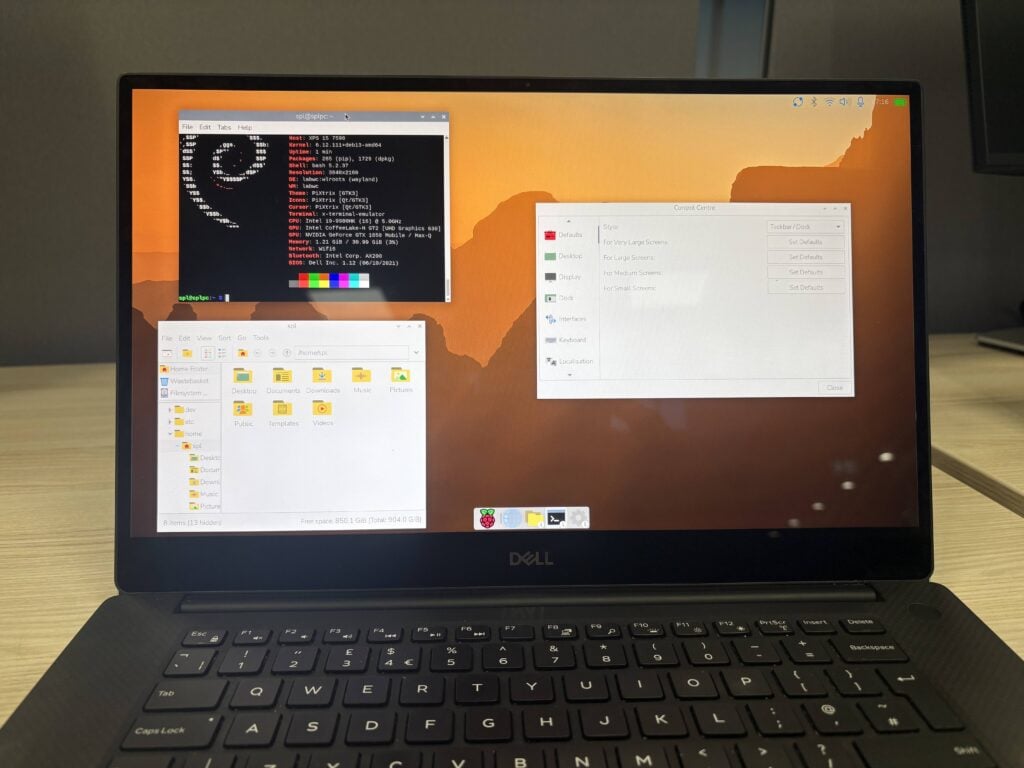
Image: Image: Raspberry Pi
Raspberry Pi has released a new edition of Raspberry Pi Desktop for PC and Mac, replacing the ageing 32-bit image with a 64-bit distribution based on Debian Trixie.
The image is intended for conventional amd64 computers, including Intel-based Macs. Apple Silicon systems are not supported because Debian support for that architecture remains experimental.
Users can run the operating system from a USB drive without replacing the installed operating system. Persistent storage allows documents and settings to survive a restart, while a reset option returns the USB environment to its original state. A Calamares-based installer is provided for permanent installation on a hard drive or SSD.
Raspberry Pi Connect is included, providing remote screen sharing and terminal access. That can place an x86 development or administration machine in the same remote-access environment as Raspberry Pi computers.
Familiar desktop, different hardware
The release provides the Raspberry Pi desktop experience, but it does not turn an x86 PC into a Raspberry Pi or emulate the board's hardware.
Applications compiled only for Arm processors will not run natively on the amd64 system. GPIO headers, camera interfaces, device trees and board-specific peripherals are also absent. Code that depends on those features still requires testing on the target Raspberry Pi hardware.
The system is useful for software that already supports both processor architectures. It can provide a consistent desktop, package-management environment and set of development tools across an x86 workstation and a fleet of Raspberry Pi devices.
A clean replacement
The previous Raspberry Pi Desktop image was 32-bit. Raspberry Pi says it cannot be upgraded directly to the new 64-bit edition, so users must perform a fresh installation or create a new live USB.
The organisation intends to maintain the distribution, although it has not made a permanent support commitment.