Qualinx previews a 1 mW GNSS receiver with OSNMA
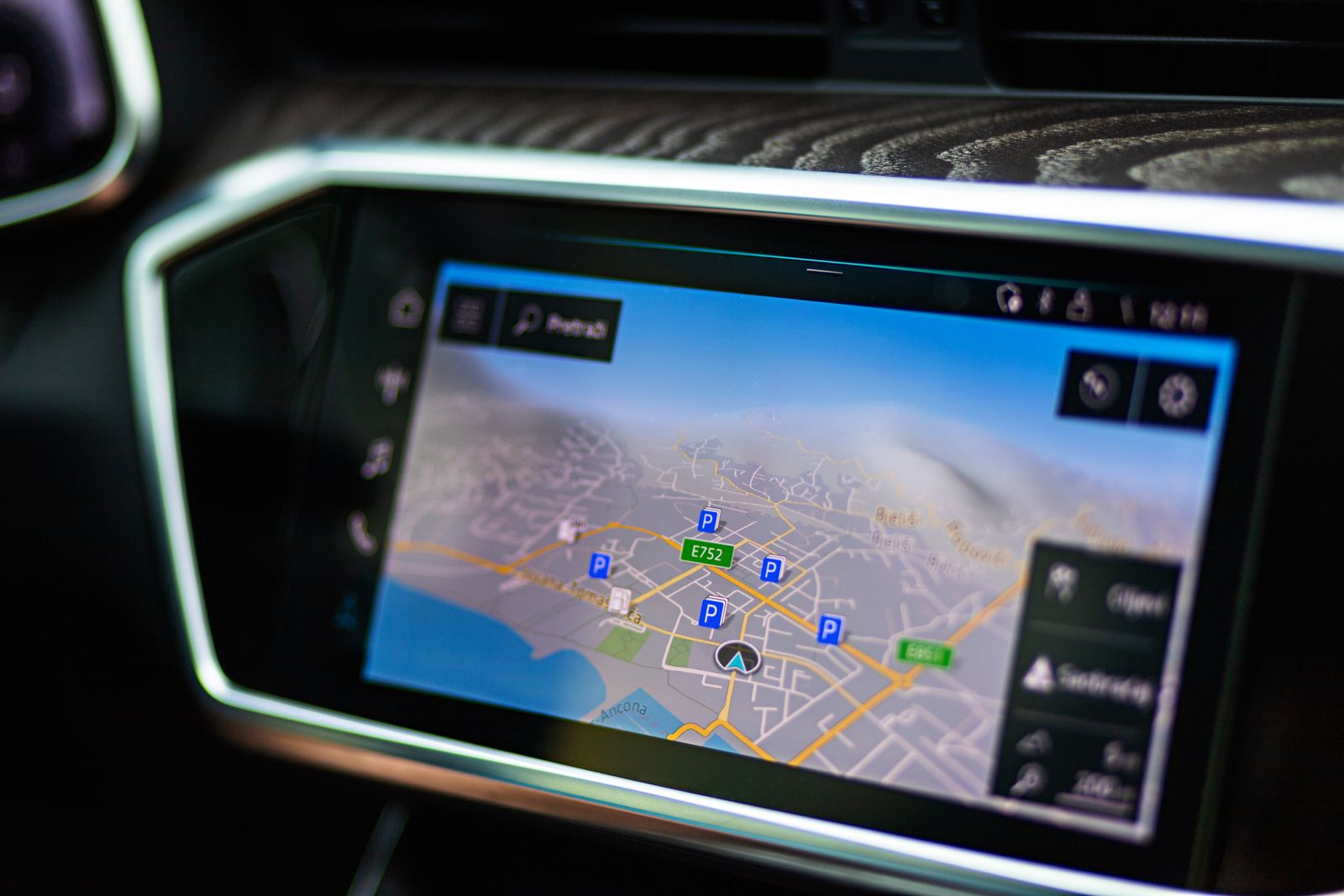
Illustrative image: Mladen Šćekić on Pexels
Qualinx plans to demonstrate a GNSS receiver it describes as operating at 1 mW at electronica in Munich on 10–13 November. Its preview also highlights OSNMA and interference resistance, covering both the authenticity of navigation data and the ability to receive it in difficult RF conditions.
An authenticated message can still arrive too weakly to use. Equally, a strong signal can carry false information, so the receiver has to address both problems without treating authentication as a substitute for RF performance.
What OSNMA authenticates
Galileo’s Open Service Navigation Message Authentication lets a receiver check navigation message data. ESA separates this from authentication of the ranging signal itself, which is addressed by the separate Signal Authentication Service. The receiver’s protection depends on which information is authenticated and how that information is used alongside other checks.
Jamming can prevent the receiver from acquiring or tracking satellite signals before there is any message to check. Antenna performance and filtering affect the unwanted energy reaching the receiver; front end linearity and signal processing then influence what it can recover. Message authentication cannot restore a signal that has been lost in that process.
How long is the receiver using 1 mW?
A low tracking power can help devices that spend long periods listening for satellites. The energy needed for a fix also includes acquisition time, however, with different costs for continuous tracking, retained state and periodic operation. Weak RF conditions can lengthen the time required to obtain a usable result.
A system that repeatedly reacquires satellites could therefore use more energy per fix than its tracking figure suggests. Support circuitry contributes too, so the receiver’s operating state and measurement boundary are needed to interpret the 1 mW claim.
The electronica demonstration is still ahead. Its configuration and operating conditions will allow the power figure to be assessed alongside navigation behaviour, while authentication and interference resistance need their own tests. Qualinx’s preview does not yet provide those measurement details.