Moisture-sensitive components: managing floor life after opening the bag
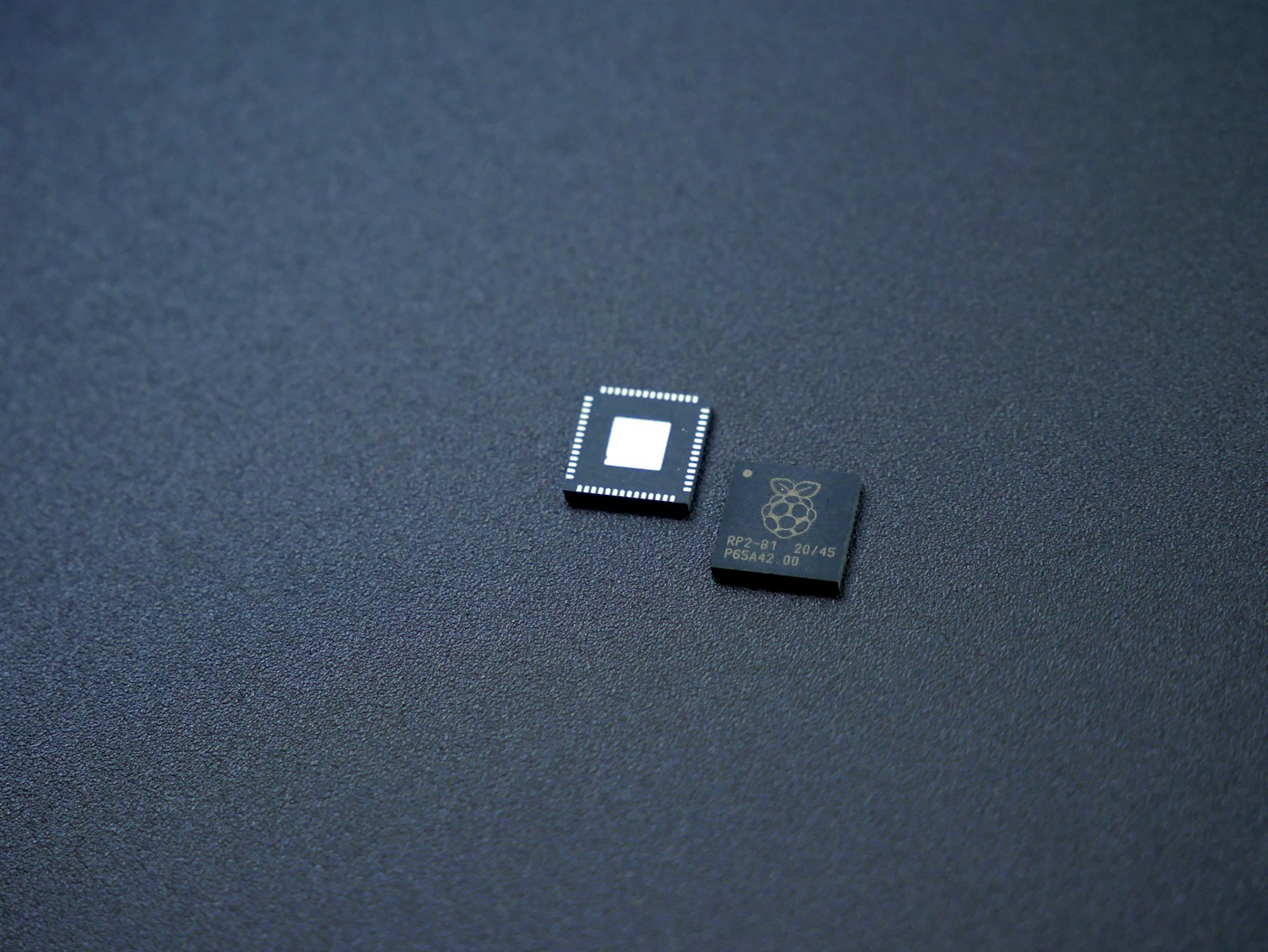
Illustrative image: Vishnu Mohanan on Unsplash
A moisture-barrier bag protects a component before assembly. Once it is opened, the package’s moisture sensitivity level determines how long the device can remain in the specified factory environment before reflow.
The concern is moisture absorbed into a non-hermetic package. During reflow, heat can cause that moisture to expand, damaging internal interfaces, wire bonds or the package itself. Severe cases produce the familiar “popcorn” failure, but damage can also occur internally without that visible result. NXP’s assembly guidance describes delamination, internal cracking and die damage among the possible consequences.
Read the package rating and its conditions
The moisture sensitivity level, or MSL, applies to the supplied package. Check the device’s packaging label and manufacturer information, including its permitted peak reflow temperature.
The standard floor-life periods reproduced in TI’s guidance are:
| MSL | Floor life | Reference environment |
|---|---|---|
| 1 | Unlimited | ≤30°C and 85% RH |
| 2 | One year | ≤30°C and 60% RH |
| 2a | Four weeks | ≤30°C and 60% RH |
| 3 | 168 hours | ≤30°C and 60% RH |
| 4 | 72 hours | ≤30°C and 60% RH |
| 5 | 48 hours | ≤30°C and 60% RH |
| 5a | 24 hours | ≤30°C and 60% RH |
| 6 | Bake before use, then reflow within the labelled time | Follow the device’s instructions |
These periods depend on the stated environmental conditions. A hotter or more humid production area cannot simply use the same allowance without checking the applicable handling guidance. MSL 1’s unlimited floor life concerns moisture/reflow sensitivity under its reference conditions; it is not a blanket statement about unlimited storage life.
Preserve the exposure history
Record when the bag is opened, then carry the accumulated exposure time with the material when reels or trays move between stores, kitting and the line.
For example, an MSL 3 lot exposed for 40 hours in stores and another 20 hours during kitting and assembly has used 60 of its 168-hour allowance. Under the stated reference conditions, that leaves 108 hours. Moving it to another department does not start a fresh allowance.
When part of a lot is returned to storage, its remaining devices need the same history. Analog Devices’ µModule assembly guidance explicitly calls for partially used trays to be resealed with desiccant and a humidity indicator card, with accumulated floor life clearly recorded. It also highlights the need to check packaging integrity and repacking procedures when receiving partial trays.
Qualified dry storage can pause further exposure under the conditions specified for the device and process. It does not automatically reset the clock. TI’s moisture-handling guidance distinguishes between pausing exposure through controlled storage and resetting floor life through the prescribed drying procedure. A cabinet labelled “dry” is insufficient evidence unless its humidity performance and use meet those requirements.
Decide whether drying is required before reflow
Inspect the bag and read its humidity indicator card when opening it. Use the card’s own instructions and the applicable package-handling requirements rather than assuming every indicator uses the same colour or threshold.
If the allowed exposure has been exceeded, or the packaging and indicator show that dry storage has not been maintained, establish the required drying process before releasing the material to assembly. NXP identifies exceeded floor life and excessive humidity indicated inside the bag as reasons for baking before assembly.
Baking time and temperature must suit both the component and its carrier. A high-temperature process suitable for a rated tray can damage a tape-and-reel carrier. TI’s guidance warns against baking tape-and-reel material above 40°C because its properties can change. The appropriate lower-temperature cycle or transfer procedure therefore needs to be established from the supplier’s instructions and the applicable J-STD-033 requirements.
Repeated baking also needs control. TI notes that successive high-temperature bakes can degrade lead solderability through intermetallic formation. Record the drying history alongside exposure time so that a lot is not repeatedly treated as unused material.
Moisture handling continues after the first soldering operation. A board awaiting second-side reflow or local rework can expose mounted packages to moisture before another heating cycle. Analog Devices’ µModule guidance specifically requires accumulated floor life to be considered before a second reflow and gives a drying procedure for its products when that allowance has been exceeded. Any board-level drying process must also respect the temperature limits of the other components already fitted.
Sources
TI: MSL ratings and reflow profiles; NXP: BGA and CSP assembly guidelines; Analog Devices: µModule assembly considerations; TI: Plastic package moisture-induced cracking.