Marvell and Penguin put retired server DDR4 on a CXL expansion card

Image: Rainer Knäpper · Free Art License
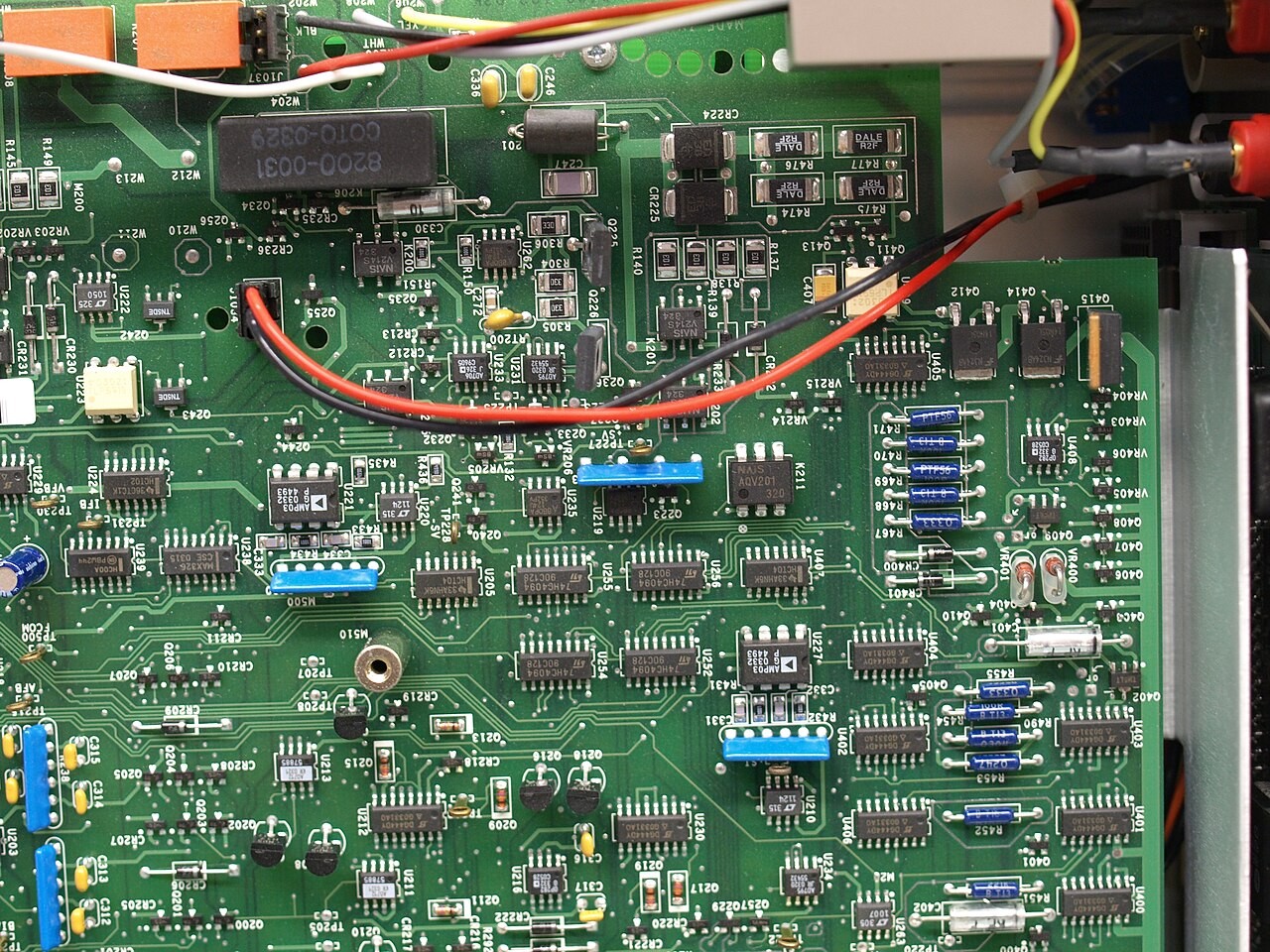
Marvell and Penguin Solutions plan to put high-density DDR4 from retired servers back to work in machines that can no longer take those DIMMs in their processor sockets. Penguin’s SMART add-in card carries the modules and a Marvell Structera X controller, which talks DDR4 on one side and CXL 2.0 over PCIe 5.0 on the other. A compatible server can then address the extra memory through an expansion slot.
That arrangement is particularly relevant to inference servers holding the state of several conversations at once. As a language model processes a longer prompt, the keys and values it retains from earlier tokens occupy more memory; serving more requests concurrently multiplies that demand. Expanding capacity through CXL gives the host somewhere else to put data, although an access that crosses the expansion link encounters different bandwidth and latency from one to local DRAM. Neither path supplies the bandwidth of memory mounted beside an accelerator.
A controller such as Marvell’s Structera X 2404 can address three DDR4 DIMMs on each of four channels. That puts as many as 12 DIMMs behind one controller, so capacity can be added a module at a time. On the host side, those DIMMs can sit behind one 16-lane PCIe link or two eight-lane connections. The latter arrangement gives two hosts a route into the same controller.
There is a second way to make that memory stretch. Four inline LZ4 engines can compress pages as they enter DRAM and expand them again on a read, without making the application handle compressed addresses. Marvell supports 1 KB and 4 KB pages. Repeated patterns leave room for more data in the same DIMMs; data that is already compressed may yield little extra space. A rack holding a mixture of the two workloads would gain different amounts of usable memory from identical cards.
The first cards expand memory close to the server. Putting memory in an appliance that several hosts can draw on changes the distances as well as who can use the DIMMs. The companies plan to combine Marvell optical interconnects with Penguin MemoryAI appliances and ComputeAI servers to carry memory traffic over fibre. They expect the DDR4 cards to reach qualification and customer deployment by the end of 2026, ahead of servers incorporating the optical fabric, which are due to sample in the second half of 2027.
Sources: Marvell: programme and availability; Marvell: Structera X 2404 product brief.