Getting a chip design funded through EuroCDP: from a Cadence quote to an application

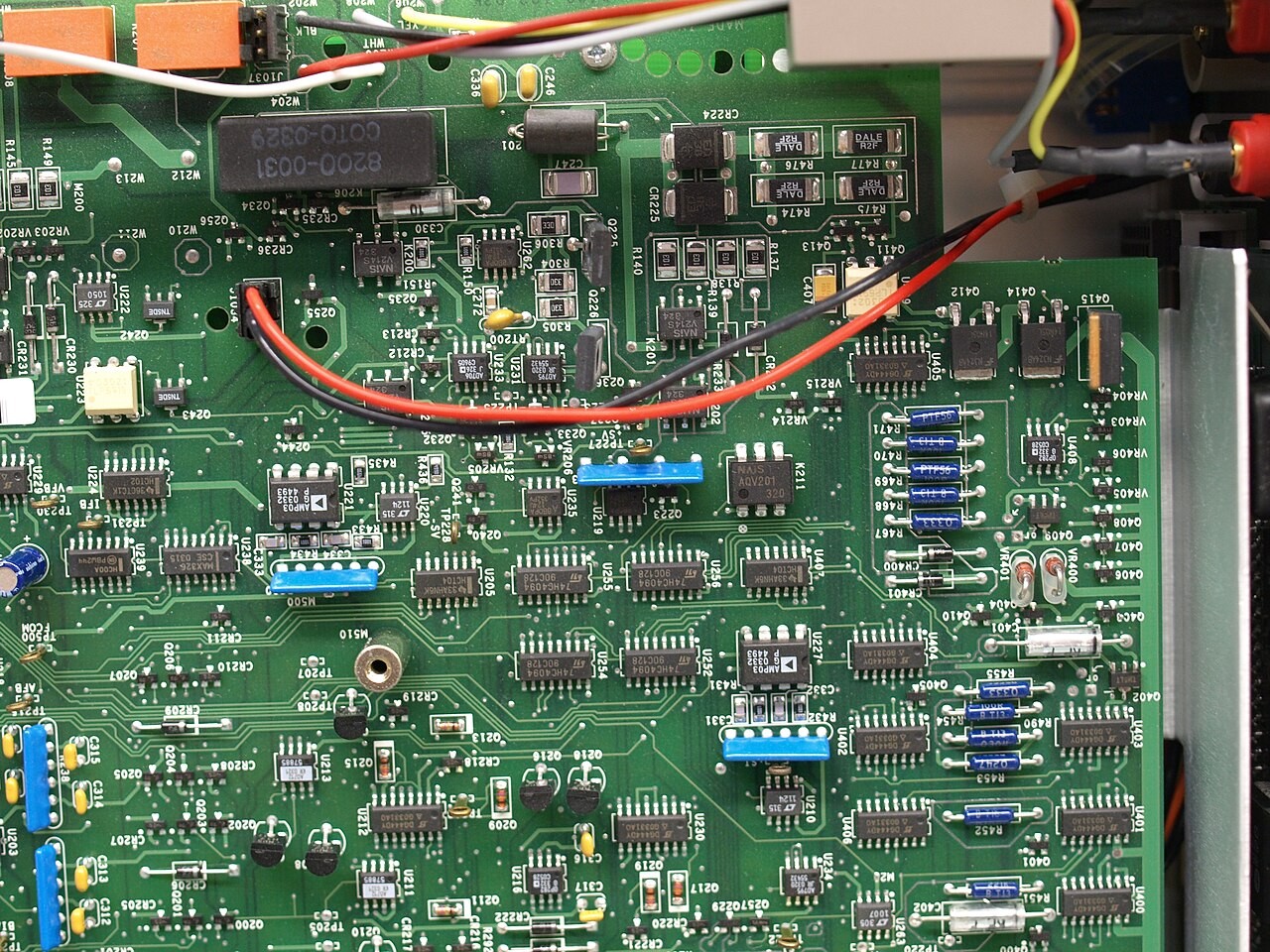
Image: Pauli Rautakorpi / · CC BY 3.0
A fabless company taking its first design towards silicon can apply to the European Chips Design Platform for help with the tools, IP and engineering services it needs. Cadence’s agreement with the Chips Joint Undertaking brings its electronic design automation and systems tools and its Managed Cloud Service into both funding routes. The first application cut-off is 12 January 2027. A team still proving a circuit works can apply on quite different terms from one preparing to pay for a first fabrication run.
Choose a route that fits the design
Level 1 is for proof of concept. Ireland’s Chips Competence Centre, I-C3, puts the grant at up to €100,000 and up to 100% of eligible costs for companies that have raised no more than €1 million in total funding. An early team might, for example, need to simulate an analogue front end and verify its digital control logic before it can justify paying for a prototype. The application should identify what those tools will establish and what evidence will show that the work is complete.
Level 2 is for projects approaching a prototype, pilot or minimum viable product. Its €8 million ceiling is much higher, but the grant covers 35% of eligible project costs. On a €1 million eligible prototype budget, that would be €350,000, leaving €650,000 to finance. I-C3 says other public co-funding can bring total public support to 70% where available. Even at that level the same example leaves €300,000 to find, before any costs outside the grant.
Build the budget around work the tools will do
A digital chip may need simulation licences relatively early, physical implementation tools later and sign-off capacity just before tape-out. Listing who will use each tool, when they need access and what deliverable depends on it gives a supplier enough information to quote for the intended flow. Cadence’s current agreement covers EDA, systems tools and managed cloud services. Its proposed agreements for Cadence IP and emulation are separate. A project needing either should confirm coverage for the specific item before counting it in the budget.
The platform itself can support a wider set of costs, including eligible third-party IP, design enablement services, fabrication, packaging and test. That makes the boundary between the applicant and its suppliers important. I-C3 says the applicant must be a fabless SME established in an eligible country and its own team must carry out the critical chip design work. A proposal relying on a design house for part of the flow should name the tasks it will buy and the design decisions that remain in house. Confirm the company’s eligibility with the programme before committing to supplier expenditure.
Prepare the submission
Cadence advises contacting the EuroCDP team with the project requirements, then obtaining quotations under the relevant vendor agreements. Use those quotes to complete the proposal and financing workbook on the grant portal. For the €1 million prototype above, the workbook should show where the balance will come from and distinguish secured finance from any co-funding still under consideration. Assessors consider European added value, technical excellence, impact and the ability to carry out the work.
I-C3 lists an indicative €50 million for the January cut-off. Its 45-minute application webinar on Friday 20 November at 13:00 UK time covers eligibility, co-funding and evaluation. The EuroCDP grant portal carries the call documents, templates and submission form; retain the receipt after submitting the completed application.
Sources: EuroCDP: application portal and current call documents; I-C3: grants, eligibility and applicant webinar; Cadence: covered tools and quotations; European Commission: platform launch.