The 5 V short that came out with the mounting hardware
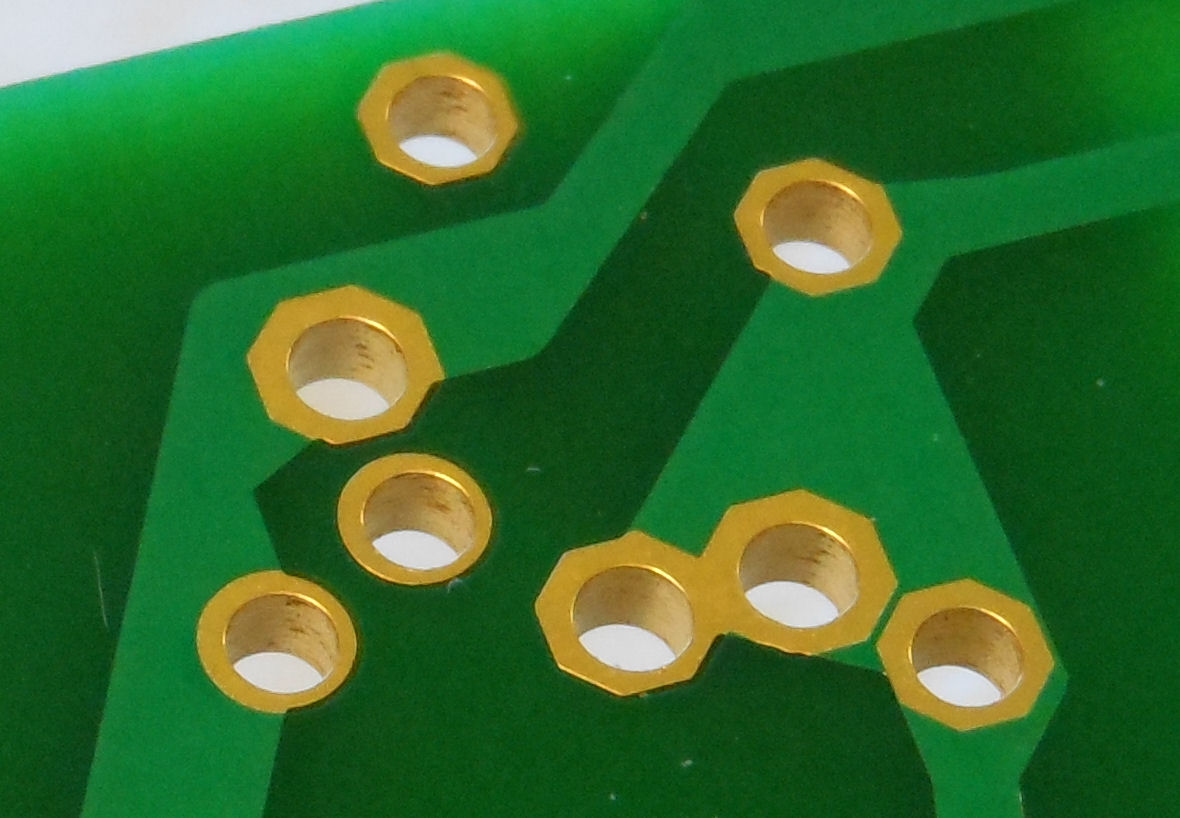
Image: G1MFG / Wikimedia Commons · CC BY-SA 4.0
The bare-board design had already been through PCB Power’s manufacturing review when an industrial automation customer found a short between 5 V and ground during assembly. What the drawings could not show was the state of the board after the mounting hardware had been pressed into place. Returning the affected boards to the supplier gave it a way to test that operation directly.
PCB Power measured continuity with the fasteners still in place, then removed them and repeated the check on the same board. The short cleared. Instead of searching the entire 5 V network for a permanent copper bridge, the customer could return to the insertion process with evidence that the fault depended on the fitted hardware.
PCB Power attributes the fault to unintended contact involving outer and inner copper layers. Its published case describes the before-and-after electrical result but does not show a cross-section of the mounting hole or identify the two copper features that made contact. The test isolates the operation that introduced the fault, but it leaves open whether a fastener directly reached copper or if movement around the hole brought two features into contact.
On the assembly line, taking a rail-to-ground reading on the unpowered unit before and after the fastener is fitted narrows the search to one operation; comparing the affected hole with an untouched one then puts geometry and material under review. A section through the fitted hole could help distinguish insufficient clearance to copper from insertion damage. Those two findings would send the drawing and assembly teams in different directions even though they can leave the same continuity reading.