TDK demonstrates flat meta-optic mirror for retinal projection glasses

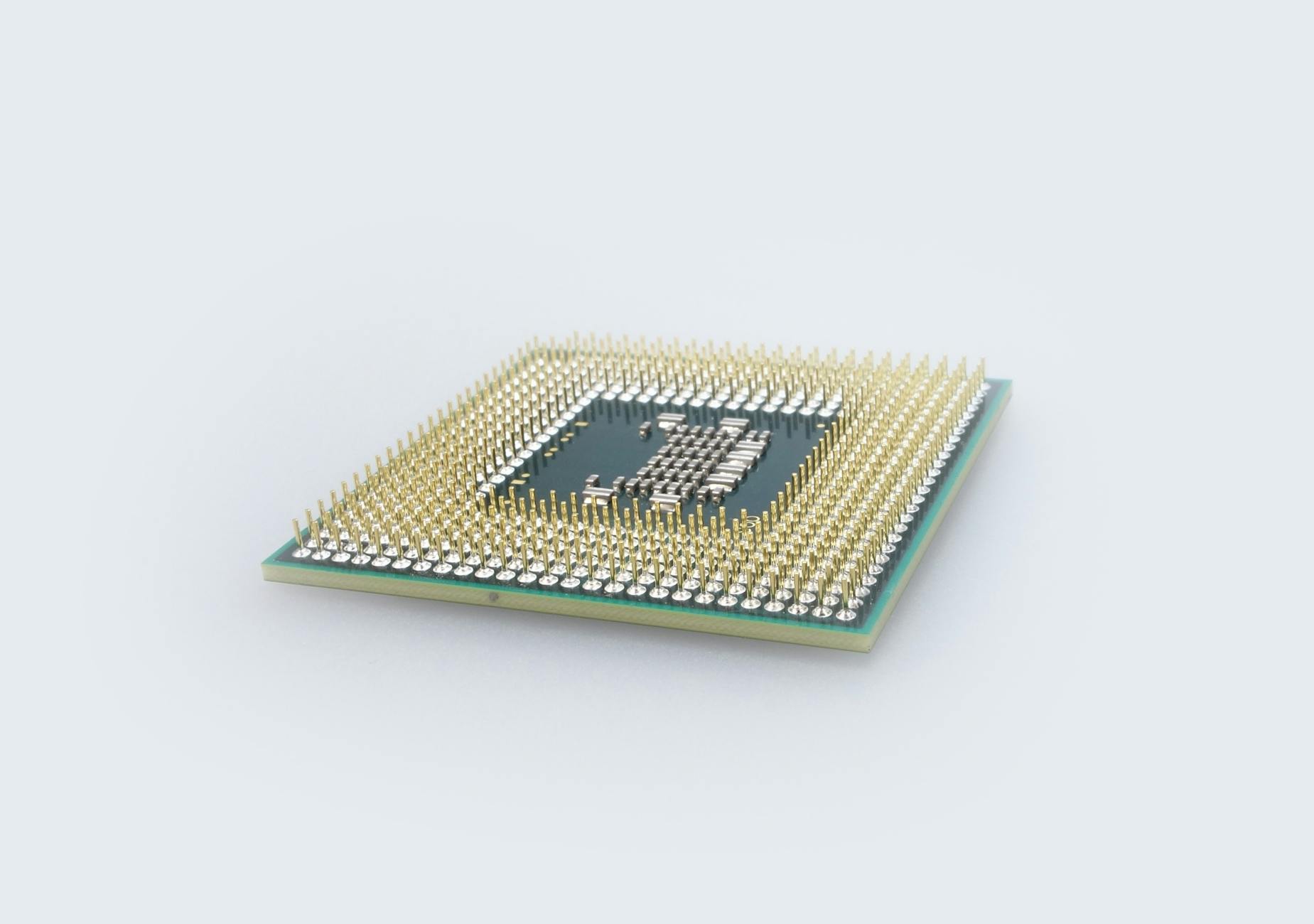
Illustrative image: Maksim Goncharenok on Pexels
TDK Corporation has demonstrated what it describes as the world's first direct retinal projection (DRP) display for smart glasses using a meta-optic mirror, rather than the curved mirror used in conventional DRP systems. The flat mirror is 150 nm thick, can be embedded directly into a lens, and has a visible-light transmittance of approximately 80 percent, giving the glasses transparency comparable to ordinary eyeglass lenses according to TDK.
How the meta-optic mirror differs from curved designs
Conventional DRP systems project images onto the retina using a curved mirror mounted in front of the eye, which TDK says makes a natural-looking appearance difficult to achieve. The meta-optic mirror instead arranges nanoscale reflectors on a flat plane, with a structure that varies the reflection angle according to position on the mirror, allowing laser light arriving from different angles to be reflected at the angle DRP requires. TDK also states the approach prevents image leakage to people facing the wearer, addressing a privacy concern associated with some display types.
Manufacturing route and current limitations
TDK says the meta-optic mirror can be produced using processes comparable to semiconductor manufacturing, which it contrasts with the more complex, costlier structures of conventional waveguide displays, as a route to cost-competitive mass production. The demonstrated mirror supports monochrome operation only; TDK aims to show full-colour operation and reach mass production within the next few years, timelines not yet confirmed by shipping products.
TDK has separately developed an ultra-compact full-colour laser module and a visible-light laser control device said to support 4K resolution. Under a business cooperation agreement with QD Laser, TDK is combining these with the meta-optic mirror to develop RGB light source modules and optical engines for smart glasses. A prototype is due to be shown at CEATEC 2026 from 13 October and at electronica, 10-13 November 2026.