Intel turns to Classiq for quantum circuit synthesis
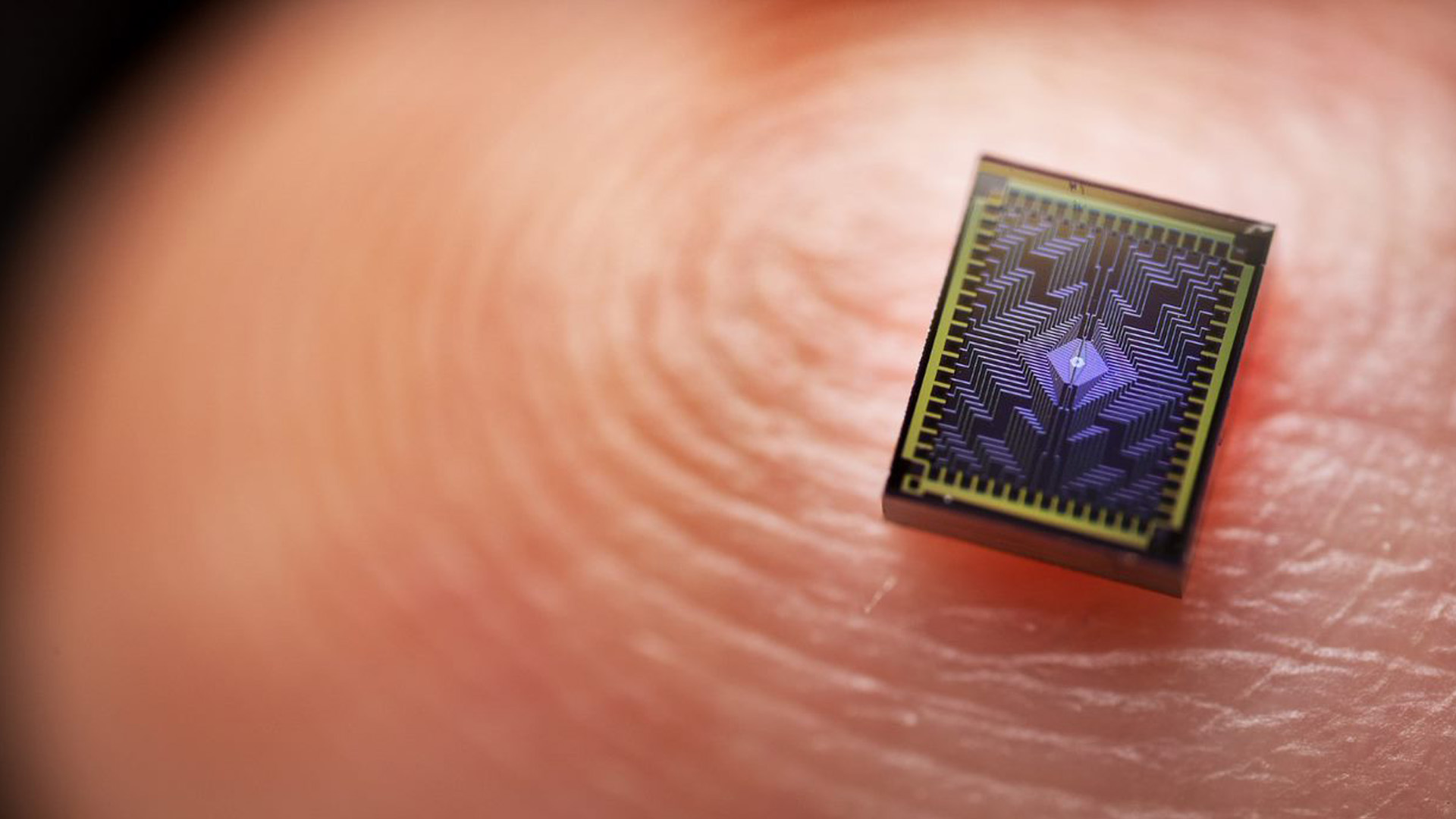
Intel has agreed to acquire quantum software company Classiq, bringing circuit synthesis software alongside its silicon spin qubit and control hardware programme. It would give Intel more control over how an application is translated into operations on its quantum processors.
The deal is expected to close in the first half of 2027, subject to approvals and other conditions. Intel says it intends to retain Classiq’s existing integrations and support software that works across different quantum hardware approaches.
Choosing a circuit the hardware can execute
A quantum algorithm has to be mapped onto the qubits and interactions available in a processor. If an interaction is not directly available, extra operations may be needed to implement it, increasing circuit depth and execution time. Both are expensive in a machine where information degrades and operations introduce errors.
Several circuit arrangements can express the same computation. Synthesis software can explore them under the target’s constraints, reducing the number of low level decisions left to the application developer. The result depends on how accurately the software models the cost of each operation on the hardware.
Intel compares the acquisition with the development of EDA. The analogy explains the appeal of hiding some device complexity from an application developer, although classical EDA depends on extensive device models, manufacturing data and verification methods. Quantum synthesis likewise needs dependable hardware information; an abstraction that ignores a costly operation can steer the application towards a poor implementation.
Letting device improvements reach the application
Intel’s 2023 Tunnel Falls programme provides some context for its approach to manufacturing. It made a 12 qubit silicon spin research chip available to laboratories, using semiconductor fabrication processes and 300 mm wafers. Those are the specifications of the earlier research programme, rather than a description of a new system in the Classiq agreement.
The control and measurement electronics have their own influence on execution. A gate has to become a physical signal delivered to the device, followed by a measurement the software can interpret. Calibration and operating conditions affect how closely that sequence matches the intended operation.
Putting more of the software and hardware development together could help those constraints travel in both directions. The hardware team can give synthesis a better account of the device, while the circuits generated by the software can reveal which interactions are most expensive to implement.
If an improved interaction needs fewer physical operations, for example, the compiler can choose a different circuit arrangement and pass the saving through to application execution. The acquisition would place more of that work inside Intel without, on its own, demonstrating a computational advantage. Retaining the promised support for other hardware would also require Classiq to keep modelling approaches beyond Intel’s own spin qubits.