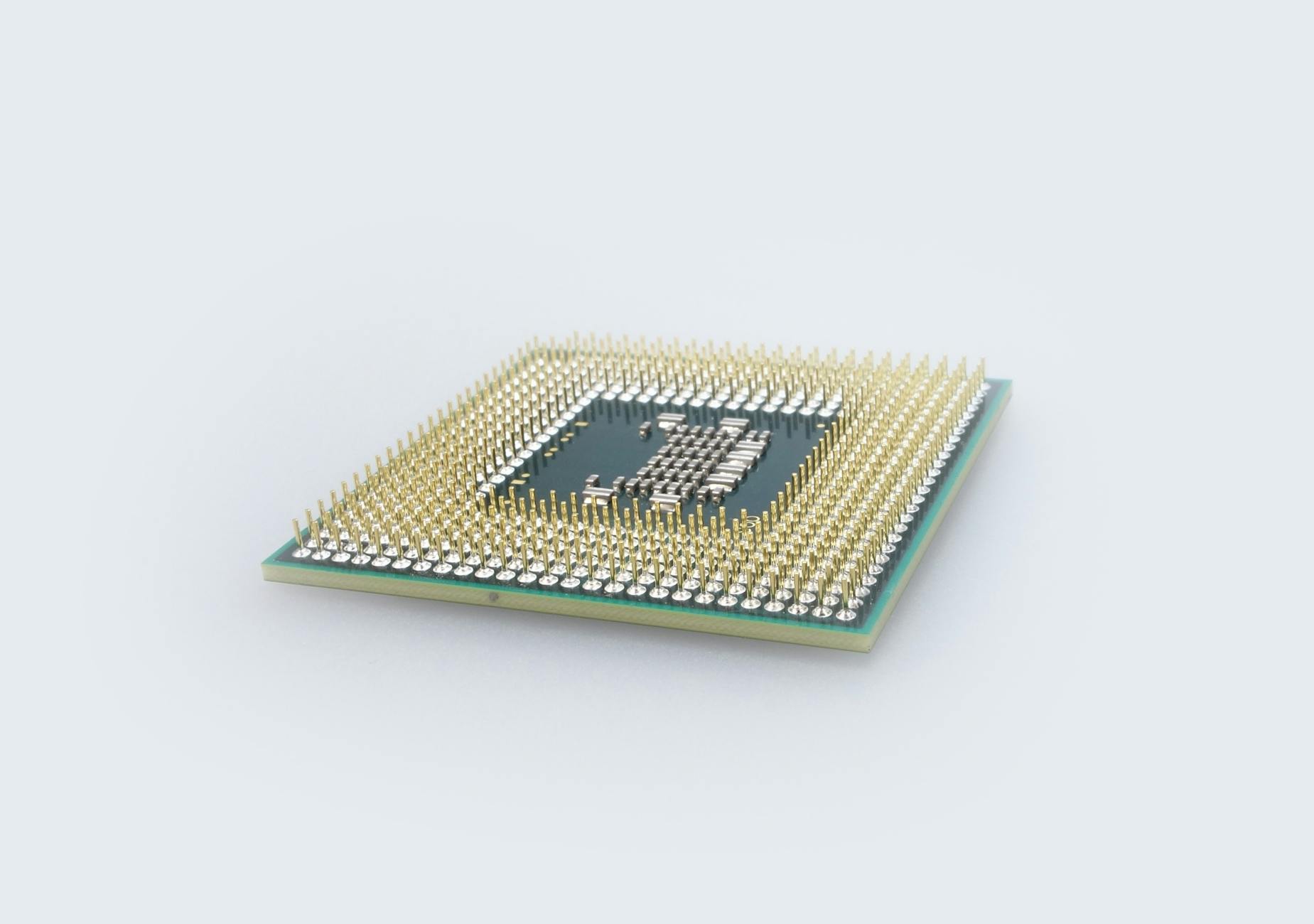
Inside the display changes behind Amazon’s redesigned Kindle

Illustrative image: Unsplash contributor on Pexels
Amazon’s redesigned Kindle family combines changes to display construction, transistor backplanes and front lighting. The changes span the optical path above the screen and the electronics controlling it.
Amazon says its new reverse-stack construction changes how the display, front light and touch layers are assembled and bonded. The company has adopted a flush-front design across the family.
The Paperwhite uses an oxide thin-film-transistor backplane. Colorsoft also uses an oxide backplane, alongside custom drive waveforms, a light guide with nitride LEDs, micro-deflectors and an optical coating.
The image layer and its electronics do different jobs
An electrophoretic display forms an image by controlling charged pigment particles. Its backplane supplies the electrical control beneath that image-forming layer.
E Ink’s technical explanation describes the display as bistable: once an image has been formed, it remains visible without continued power to maintain it. Updating the image still consumes energy. So do other parts of an e-reader, including its processor, wireless functions and lighting.
A static page and a page transition therefore place different demands on the display. Retaining the finished image requires no continuous drive power, but moving pigment particles to form the next one does. Fast page turns and low standby consumption describe different operating conditions.
Oxide transistors change the behaviour of the backplane. In a 2022 announcement with Sharp Display Technology, E Ink identified high carrier mobility and low leakage as benefits of oxide TFTs. It said these properties could support faster switching and lower power consumption.
That earlier work explains the technology’s attraction, but it does not identify the supplier of Amazon’s latest panels. Amazon’s announcement does not name one.
Lighting is part of the display system
A reflective screen depends on light reaching its surface and returning to the reader. In dim conditions, a front light supplies that illumination rather than shining through the display from behind.
Amazon says Colorsoft’s micro-deflectors reduce stray light and improve uniformity, while its optical coating improves clarity. Those are changes to the optical path, alongside the electronic changes to the backplane and waveforms.
The redesign changes the complete display assembly. A brighter light guide, revised drive scheme and altered bonding arrangement can each change the result, but the announcement does not isolate their individual contributions.
The announcement does not separate optical gains from changes to the electrical drive. Nor does it establish how much each alteration contributes to refresh speed or total energy use.
The same applies to battery life. Amazon’s claim of up to 12 weeks for Paperwhite is a whole-device figure, not a measurement of the oxide backplane’s power saving.