Where data-centre power delays move AI hardware risk

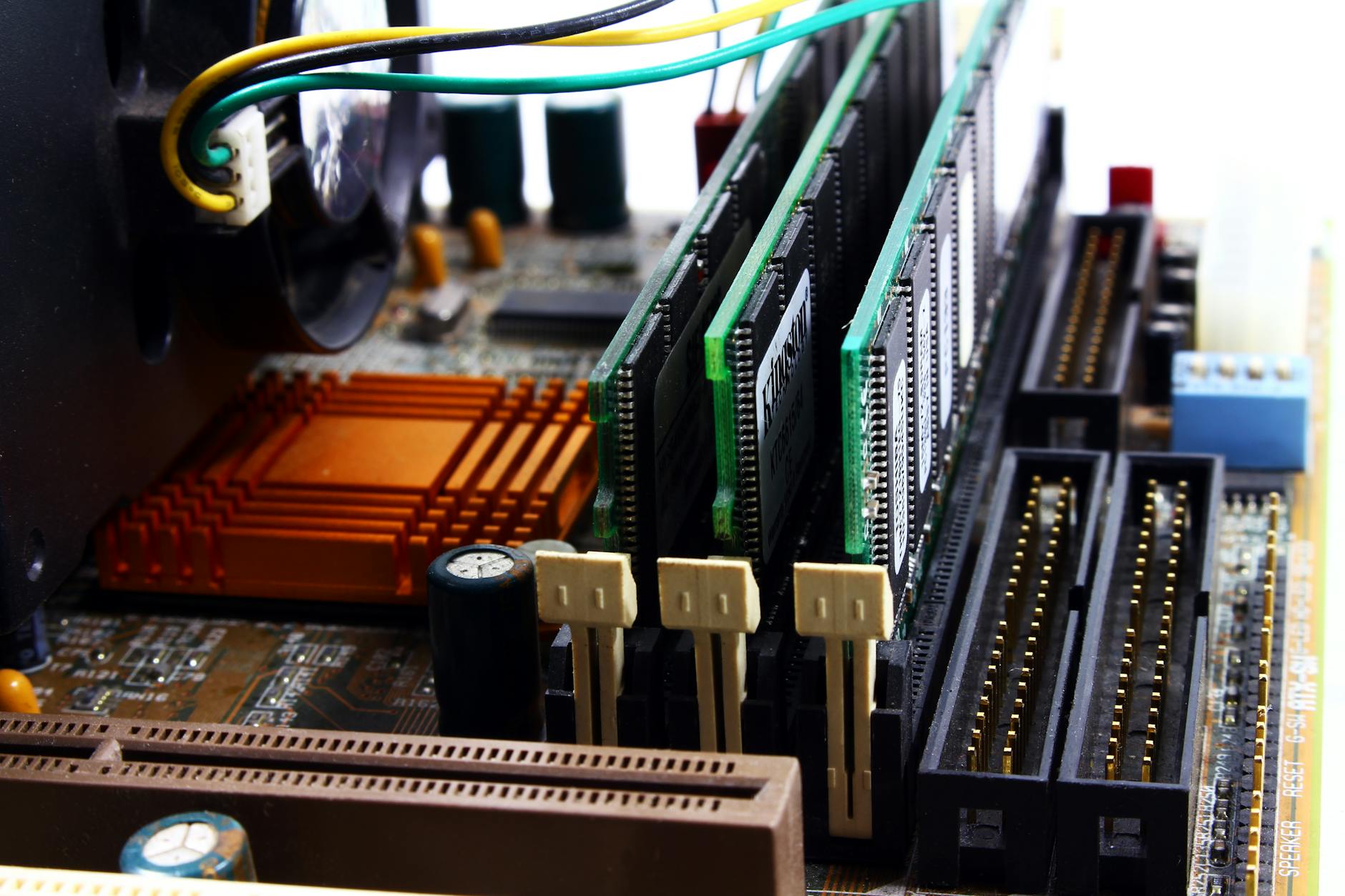
Illustrative image: Annabelle Allimonos on Unsplash
Power availability is becoming a more complicated part of the AI hardware supply chain than the manufacture of the processors themselves. A Morgan Stanley assessment reported by Reuters argues that Nvidia and Broadcom are relatively well placed to withstand delays in connecting new data centres to the electricity grid. It identifies memory and optical-component suppliers as more exposed if completed computing systems cannot be installed on schedule. The distinction concerns order timing rather than whether AI infrastructure ultimately needs those components. Chips can move between customers High-demand processors and custom accelerators can often be redirected between cloud operators, regions or projects. If one data-centre campus is delayed, scarce processor inventory may be allocated to another customer with power and cooling capacity already available. The largest processor vendors also have substantial order backlogs. That provides some protection from an individual deployment moving into a later quarter. This does not make them immune to a prolonged infrastructure slowdown. It means that short-term delays may change where their products are delivered before materially changing total demand. The rest of the system is less interchangeable Memory modules, optical transceivers, switches, cables, racks and power equipment are purchased as part of a defined system configuration. Some can be reassigned, but qualification, form factor, performance and customer-specific integration make that less straightforward. Optical components can also be tied to the network architecture and transmission distances planned for a particular site. A delay can leave suppliers holding inventory or move acceptance and revenue into a later reporting period. Memory has a different risk. High-bandwidth memory remains closely linked to accelerator packaging, but conventional server memory and storage products are ordered across broader parts of the installation. Their shipment timing can therefore be affected by when the complete racks are required. The electrical connection becomes a supply-chain milestone Hardware procurement has traditionally been organised around component lead times, system assembly and installation dates. Large AI campuses add another critical dependency: the availability of sufficient electricity at the site. A completed building may still require transmission upgrades, substations, transformers, switchgear or agreements with the network operator. The schedule for those projects does not necessarily match the shorter product cycles of processors and networking equipment. This creates a mismatch between electrical infrastructure, which is planned over several years, and computing hardware that can be superseded within a much shorter period. An analyst view, not yet an industry outcome The Morgan Stanley assessment is one interpretation of where financial exposure sits. It does not demonstrate that memory or optical orders have already been cancelled across the market. Suppliers may retain orders, move delivery dates or redirect products. Cloud operators may also install equipment incrementally or use temporary generation while permanent grid capacity is completed. The central issue is that component demand and component shipment are no longer enough to show when an AI system will enter service. Grid connection, power conversion and cooling capacity now influence when the rest of the electronics supply chain can complete delivery.