Imec and UHasselt spin-off Noak raises €5m for tandem PV
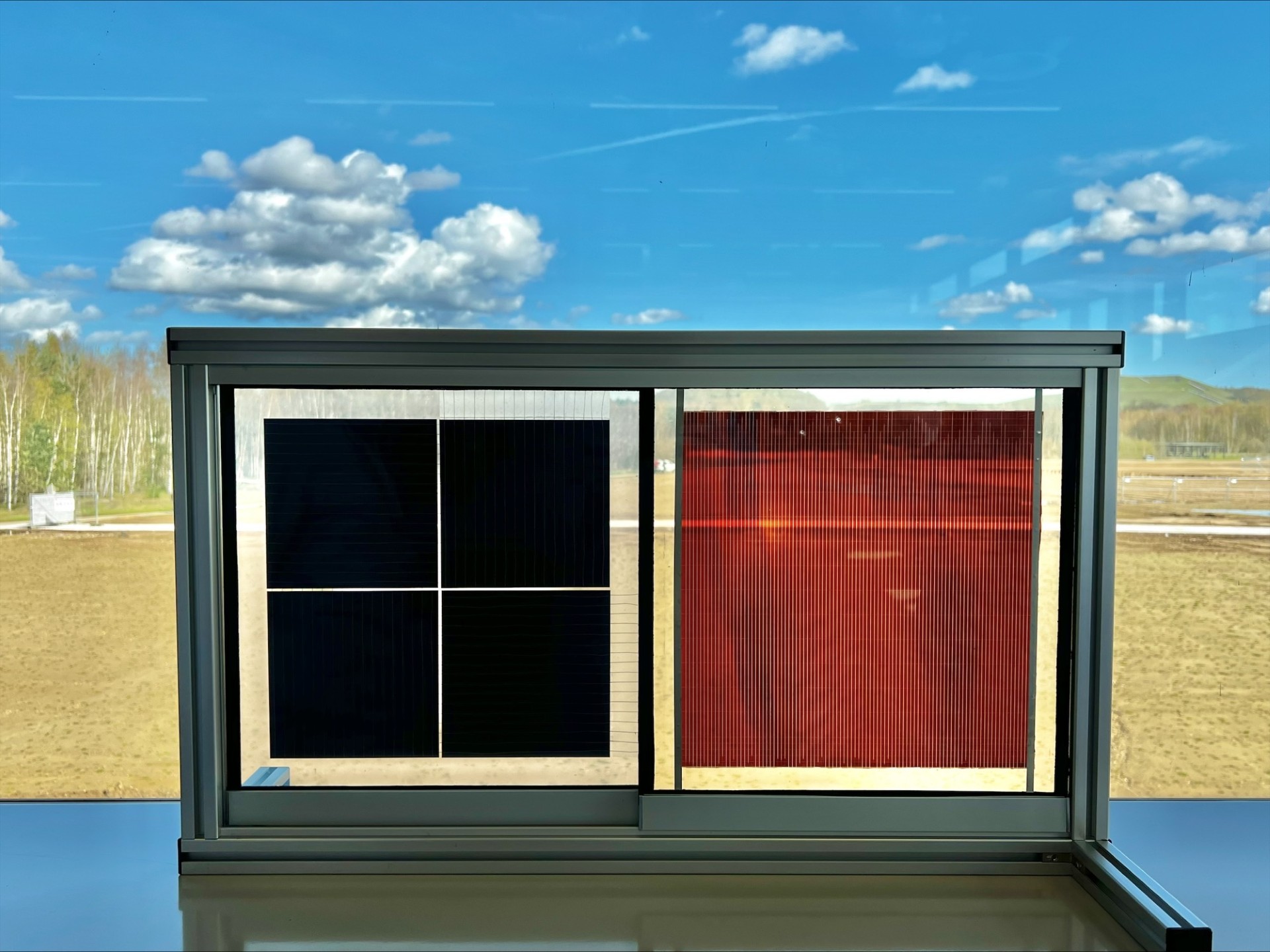
Image: imec
Noak, a spin-off of imec and Hasselt University, has raised €5 million in seed funding from the Helios Foundation, Nuhma and V2HFin to industrialise perovskite-silicon tandem photovoltaic technology. The company builds on more than a decade of research carried out within IUMAT, the materials research institute shared by UHasselt and imec, and within the EnergyVille consortium in Genk.
Conventional silicon solar cells are approaching a practical conversion efficiency limit of around 27 to 28 percent, according to the announcement. Pairing silicon with a perovskite top cell in a tandem configuration allows the stack to capture a broader portion of the solar spectrum, with the companies citing conversion efficiencies of 30 to 35 percent for this class of technology.
Stability data from outdoor testing
Long-term stability under real-world conditions is described as a key unresolved challenge for perovskite-silicon tandems generally, with most published stability claims to date based on accelerated laboratory testing rather than field exposure. Imec and UHasselt state they have accumulated five years of outdoor operational data across more than ten test sites on three continents, spanning conditions including intense sunlight, heavy rain, extreme heat and sub-zero temperatures in Asia, Europe and North America. Noak's next phase, according to the announcement, will focus on demonstrating long-term stability and performance at scale, which imec and UHasselt identify as prerequisites for commercial bankability.
Back-contact architecture and material use
Noak's cell design uses a proprietary 3D woven back-contact foil that places electrical connections at the rear of the cell, removing front-side metallisation and its associated shading losses. The tandem structure can also be subdivided into smaller sub-cells wired in series and parallel, a configuration the company says allows design flexibility and reduced metal consumption. Noak states it is working with its supply chain towards the use of certified recycled metals and has designed the architecture for disassembly and debonding on demand, aiming to lower dependency on critical raw materials.
The €5 million will be used to continue development at EnergyVille's existing infrastructure in Genk and to prepare partnerships for gigawatt-scale manufacturing, according to the companies. No production timeline or commercial product has been disclosed; the funding and technology remain at the scale-up and industrialisation stage rather than shipping volume manufacture.