Europe’s supercomputer supply chain still has a memory gap
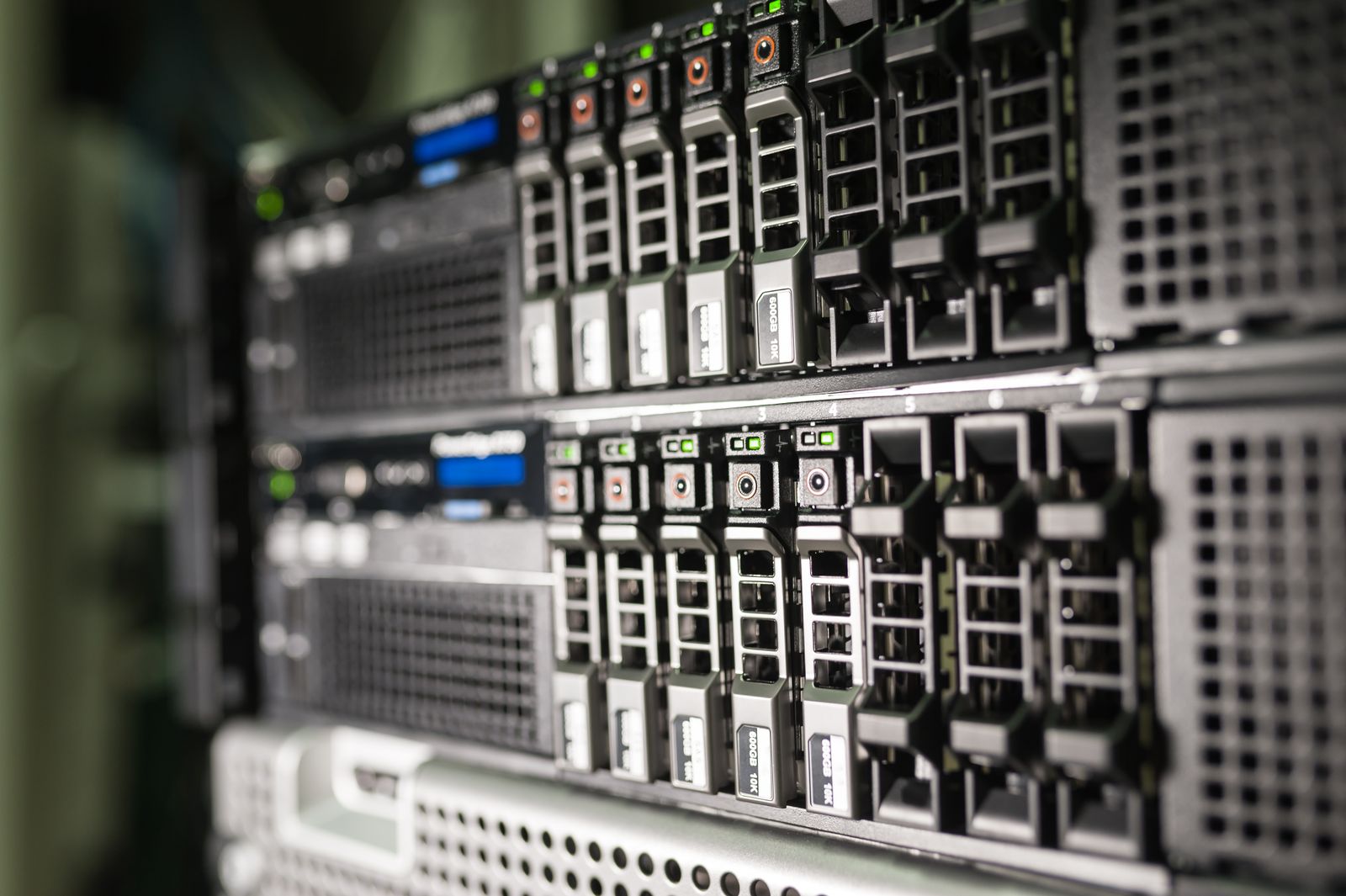
Illustrative image: Unsplash contributor on Pexels
Europe has made visible progress in localising the hardware used in its supercomputers, but memory remains a conspicuous exception.
Emmanuel Le Roux, chief executive of French supercomputer manufacturer Bull, told Reuters that the company can now source roughly 70% of the components in its systems from Europe. Five years ago, he put that figure at between 20% and 30%.
The change covers boards, interconnects, cooling systems and an increasing share of processors. Memory is the major component category for which Bull still lacks a European supplier.
That distinction matters because a supercomputer’s performance is not determined by processors alone. Large systems depend on several layers of memory, from high-bandwidth memory positioned close to accelerators to conventional DRAM and storage-class technologies. Capacity, bandwidth, latency, power consumption and physical integration all affect the balance of the machine.
AI workloads have made those constraints more prominent. Training and inference systems need to move large volumes of data between processors and memory. A powerful accelerator can remain underused when memory bandwidth or capacity cannot keep pace.
Europe retains expertise in semiconductor research, equipment, materials, processors, board design and system integration. It does not currently have a large domestic supplier capable of matching the scale and product breadth of the leading Asian and US memory manufacturers.
Building such capacity would require more than establishing a fabrication plant. Competitive memory production depends on process technology, yields, packaging, controller development, long-term customer qualification and the ability to invest through a highly cyclical market.
Bull’s 70% figure is a company estimate rather than a measurement of the entire European supercomputing sector. It nonetheless illustrates where localisation has advanced and where dependence remains concentrated.
The immediate question is therefore less whether every component can be made locally and more how system builders manage the remaining exposure. That includes supply agreements, qualification of alternative parts, inventory policy and architectures that avoid unnecessary dependence on a single memory type or supplier.